

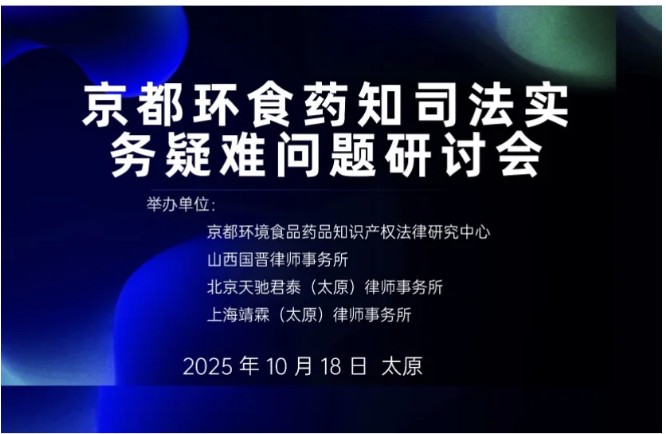
On October 18, 2025, the “King&Capital Law Firm Seminar on Difficult Issues in Judicial Practice” was successfully held in the multi-functional conference room of Shanxi Guo Jin Law Firm. This meeting was co-sponsored by King&Capital Law Firm, Beijing Tianchi Juntai Law Firm and Shanghai Jinglin Law Firm, and gathered more than 100 lawyers, scholars and practitioners in the fields of environmental resources, food and drug, intellectual property rights and other fields from all over the country, and discussed in-depth the hot and difficult issues in the current cases of environmental, food and drug-related crimes. Conducted an in-depth discussion, the meeting was synchronized video broadcast. This seminar is divided into two units, the first unit for the environmental resources and intellectual property rights criminal cases to deal with the path, the second unit for the food and drug crime cases focus on solving problems path.
I. Opening Ceremony: Focus on Specialization, Talk on Development
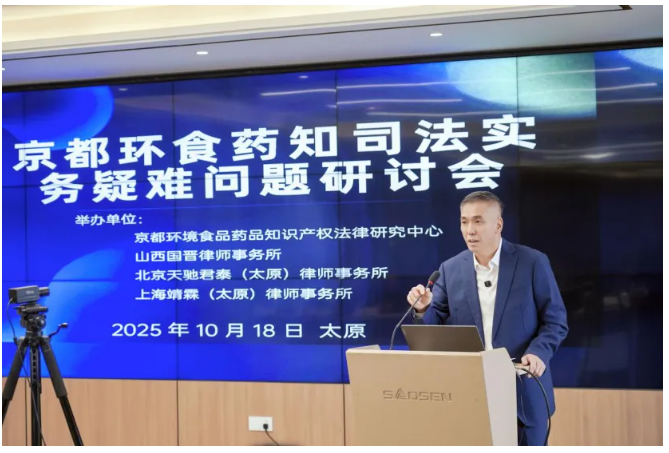
The opening ceremony was hosted by Guo Jianming, deputy director of Shanghai Jinglin (Taiyuan) Law Firm and researcher of King&Capital Law Firm.
At the beginning of the meeting, Mr. Guo Jianming grandly introduced all the guests attending the meeting, and expressed his warm welcome and sincere thanks to all the guests and all the colleagues attending the meeting. He fondly recalled his connection with King&Capital Law Firm, and expressed his hope to introduce the center's quality activities into Taiyuan since the inauguration ceremony last year, so that Shanxi lawyers can communicate face to face with the big names in Beijing. He introduced that the center was established on April 20, 2024, and is the first research center in the field of environmental food and drug knowledge established by a law firm in China, with the main research direction covering the cross-cutting issues of environmental food and drug knowledge related crimes and criminal compliance, administrative violations and civil and commercial legal affairs. Attorney Guo Jianming emphasized that from the initial conception to today's landing, this vision has finally been realized, and I believe that the participants will be full of harvest.
II. Guest Speaking Session
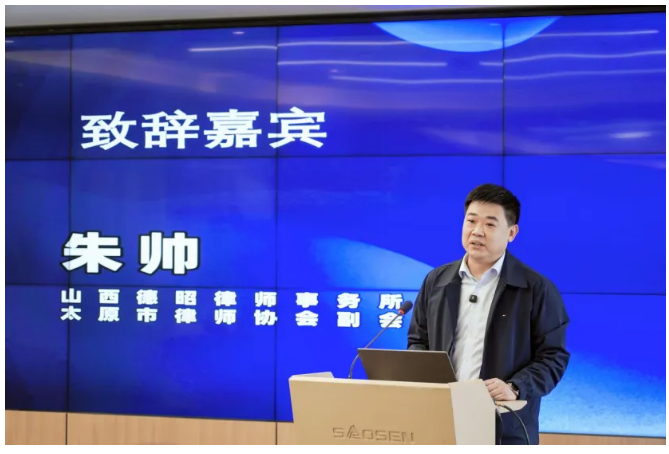
In his speech, Zhu Shuai, Director of Shanxi Dezhao Law Firm and Vice President of Taiyuan Lawyers Association, warmly welcomed the arrival of King&Capital Law Firm and criminal defense lawyers from all over the world. He recalled his connection with King&Capital Law Firm and Mr. Tian Wenchang and pointed out that this seminar has brought valuable learning opportunities for Shanxi lawyers, and he looked forward to the normalization of this kind of professional exchanges and the promotion of the professionalization and refinement of the development of criminal defense business together. He also pointed out that this seminar brought valuable learning opportunities for Shanxi lawyers, and expected that such professional exchanges would be regularized, so as to jointly promote the development of criminal defense practice in a professional and refined manner.
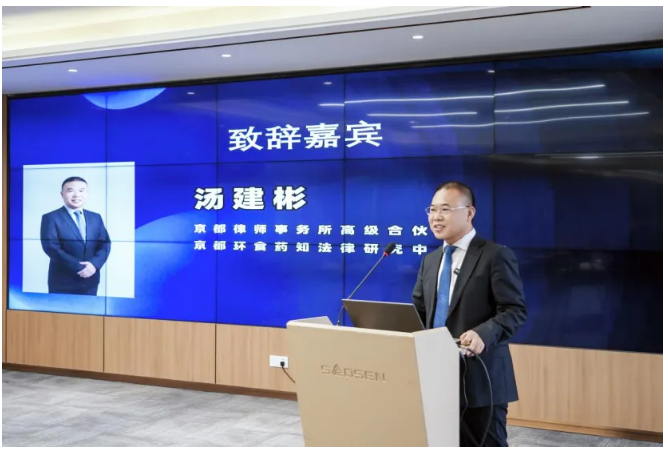
Mr. Tang Jianbin, Senior Partner of King&Capital Law Firm and Director of Kyoto Environment, Food, Medicine and Knowledge Law Research Center, reviewed the initial intention and development history of the Center in his speech. He emphasized that the Center is an open research platform, aiming to bring together lawyers interested in EFMD legal practice across the country for joint research. In particular, he previewed the latest research result of the Center - “Handbook of Food and Drug Cases” written by the Center's team and published by Law Press, and said that Taiyuan is the fourth stop of the Center's “Going out of Beijing” plan, hoping to develop the broad market of legal services for the environment, food, medicine and knowledge of the law with lawyers from all over the country. He also said that Taiyuan is the fourth stop of the “Going out of Beijing” program and that he hopes to work with lawyers from all over the world to develop a broad market for legal services on environmental food and drugs.
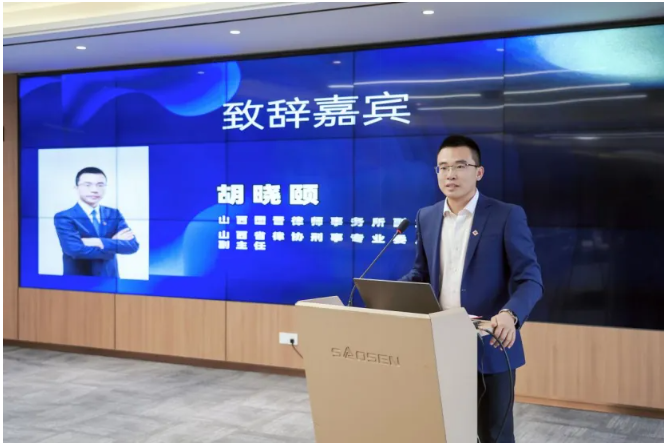
Mr. Hu Xiaoyi, Deputy Director of Shanxi Guojin Law Firm and Deputy Director of the Criminal Committee of Shanxi Law Association, expressed his gratitude to the participants on behalf of the three host firms. He pointed out that the defense of environmental, food, drug and know crime is a blue ocean of criminal business, with a high degree of professional barriers, this seminar is a model of the depth of the combination of theory and practice, and briefly introduced the basic situation of the three contracting firms, looking forward to the guests can bring cutting-edge thinking and inspiration.
Third, the theme of sharing and commenting on the session of diversified perspectives, wisdom collision
The first unit:
Response Path of Criminal Cases on Environmental Resources and Intellectual Property
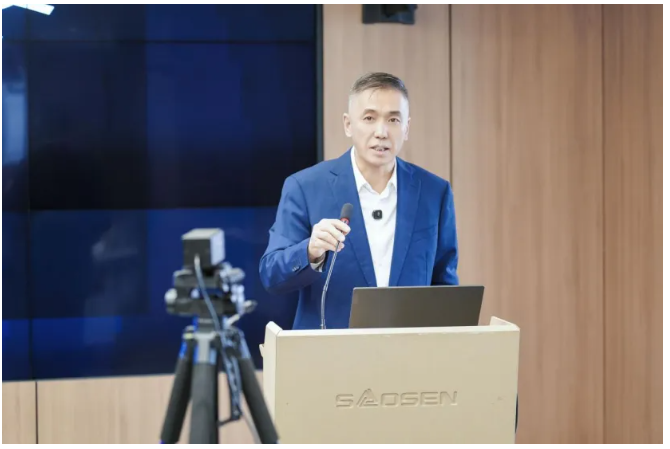
This unit is hosted by Guo Jianming, Deputy Director of King&Capital Law Firm and Researcher of King&Capital Law Firm, focusing on the identification of specific crimes and defense strategies in the field of environment and intellectual property.
Theme Sharing
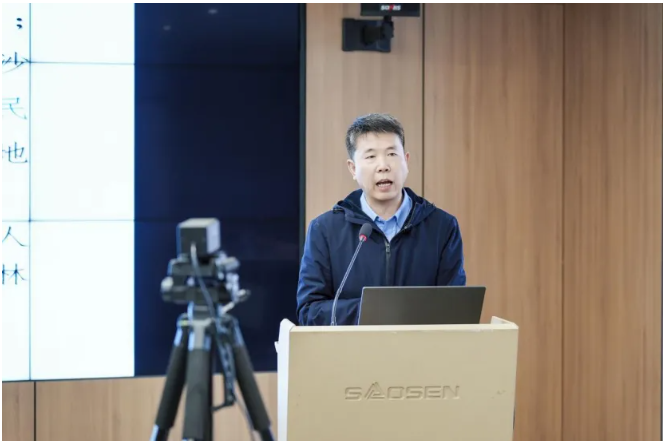
Feng Jinhua, head of the Legal Affairs Section of the Taihang Mountain Branch of the Forestry Public Security Bureau of the Shanxi Provincial Public Security Department and a public lawyer, analyzed the composition of the crime from the perspective of law enforcement officers under the title of “The Actual Structure and Practical Application of the Crime of Stealing Forest Trees”. Focusing on the difference between the act of “logging theft” and ‘theft’, he clearly pointed out that merely cutting down forest trees is not equivalent to realizing the “purpose of illegal possession”, and specifically put forward four objective circumstances (including the following) for determining this purpose. He also proposed four objective circumstances (e.g., carrying means of transportation, stacking the timber neatly, etc.) to identify the purpose, which provided clear criteria for practical determination.
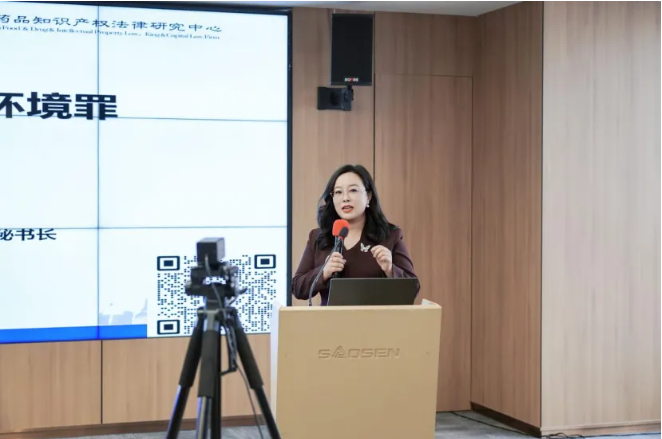
Zhang Sijia, Deputy Director and Secretary General of King&Capital Law Firm, pointed out in “Discussion on the Difficult Issues of Illegal Disposal of Hazardous Wastes Polluting the Environment” that when dealing with the case of “Illegal Disposal of Hazardous Wastes Polluting the Environment”, there exists a core controversy in the judicial practice: whether it is a crime of behavior, a dangerous crime, or a crime of result? The inconsistency of judicial interpretations often leads to a dilemma in the application of the law. Zhang Sijia believes that the key to solving this problem is to accurately define the criminal law in the sense of “disposal” behavior. She said, administrative law in the “disposal” focuses on the reduction and harmlessness of hazardous substances, while the criminal law in the “disposal” must have the harmful substances in the external environment and cause serious pollution of the essential characteristics, must not be administrative law concepts simply copied into the criminal law, otherwise it will lead to the scope of punishment. The concept of administrative law can never be simply copied into the criminal law, otherwise it will lead to the improper expansion of the scope of punishment. Based on the above, Mr. Zhang Sijia has made a clear proposal that the crime of illegal disposal of hazardous waste should be understood as a “crime of result”. This means that there must not only be the form of “disposal”, but also the substantive consequence of “serious pollution of the environment”. She argued through the case “non-compliance disposal” is not the same as “constitute a crime” that, if the evidence in the case can not prove that the pollution results, can not be easily incriminated, this precise definition for the effective defense of administrative offenders provides a clear path: must adhere to This precise definition provides a clear path for the effective defense of administrative offenders: we must adhere to the independent judgment of criminal illegality, and examine whether the behavior has substantially infringed the environmental legal benefits protected by the criminal law through the appearance of administrative violations. Finally, she said that the core of the defense is to deal with those behaviors that formally conform to the judicial interpretation but are not harmful in substance, so as to prevent the “failure to differentiate between punishment and execution” and to realize that the punishment is justified by the crime.
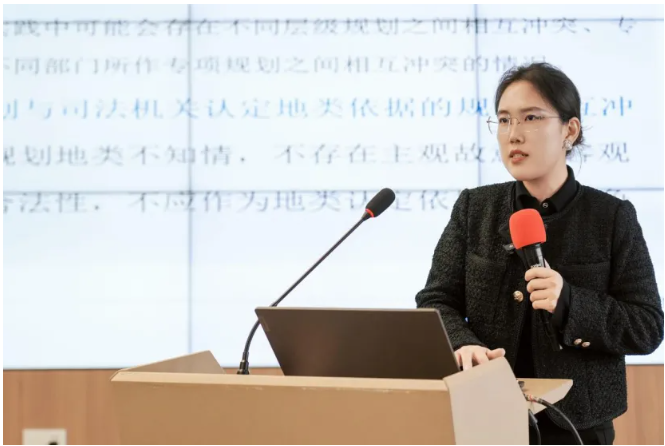
Fan Ruitian, Deputy Director of Criminal Committee of Shanxi Guojin Law Firm, shared the “Effective Defense Strategies for Cases of Illegal Occupation of Agricultural Land”, in which she closely followed the legal provisions, and started from the “Determination of the Nature of the Land”, “Objective Behavior (Illegal Occupation, Change of Use)”, “Subjective Intent”, “Subjective Intent” and “Subjective Conduct”. She systematically sorted out the defense points from the four dimensions of “determination of land nature”, “objective behavior (illegal occupation, change of use)”, “subjective intention” and “result of destruction”, and especially emphasized on the identification of inconsistency between “status quo land category” and “planning land category”. In particular, it emphasized the rules for determining the inconsistency between “current land category” and “planned land category”, and the key boundaries between crime and non-crime.
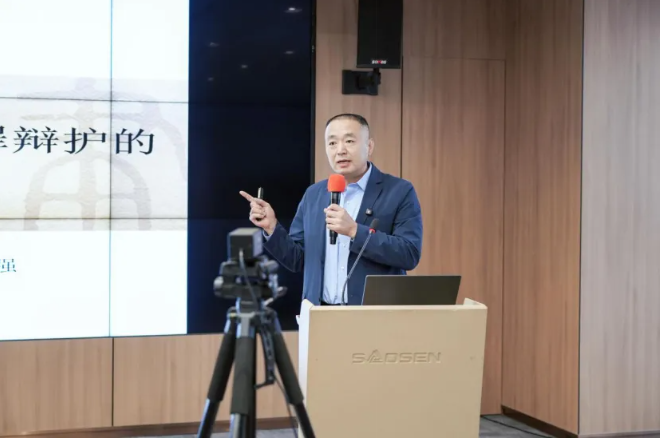
Wang Zhiqiang, Deputy Director of King&Capital Law Firm, focused on two cutting-edge issues in “One Correction and One Enhancement in the Defense of the Crime of Selling Counterfeit Registered Trademarks”: First, when “illegal proceeds” and “sales amount” correspond to different sentencing levels, it is important to follow the principle of “illegal proceeds” and “sales amount”, and to follow the principle of “illegal proceeds” and “sales amount”, and to follow the principle of “illegal proceeds”. First, when the “illegal proceeds” and “sales amount” correspond to different levels of sentencing, the principle of “one heavy judgment from the other” should be followed; second, the “sampling and identification”, a common way of obtaining evidence. He put forward a comprehensive path of evidence from the perspective of sampling object, procedure and scientificity of method, which provided a method for cracking the problem of quantitative determination in this kind of cases.
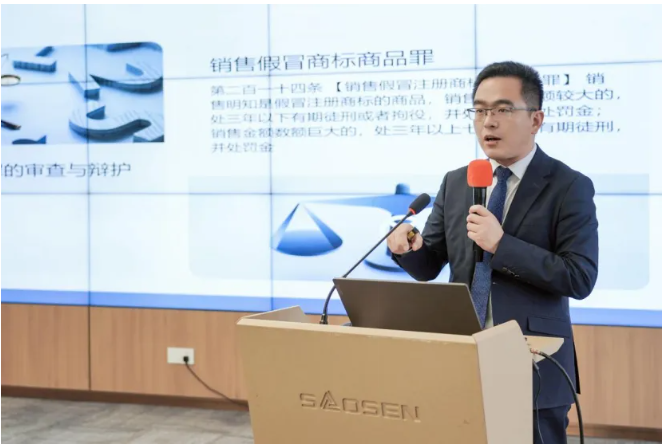
In “Elemental Review and Defense Path of the Crime of Selling Counterfeit Registered Trademarks”, Ma Hongbao, Director of Hebei Century Ark Law Firm, adopted the ‘elemental’ analysis method to analyze the objective elements of the crime (subject, sales act, object of the act, and the amount of the crime) and the subjective elements (the determination of the “knowledge”) one by one. The objective elements of the crime (subjective elements (the determination of “knowledge”)) are disassembled one by one, and combined with typical cases, a clear and operable defense plan is given.
Review of this module
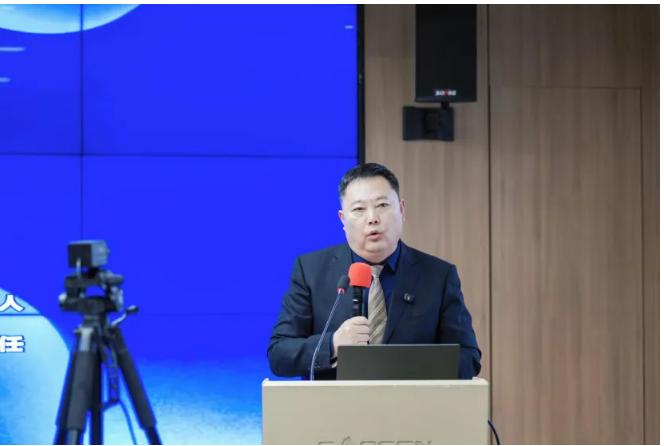
Zhou Lei, Doctor of Law, Senior Partner of Beijing Yinghe Law Firm and Deputy Director of Criminal Law Committee of Beijing Municipal Lawyers' Association, pointed out in his commentary that although the total number of cases of environmental food and drug knowledge is not large, they have outstanding professional characteristics, distinctive geographical features, and are related to public interests such as environmental protection and food and drug safety, which will not only be an important direction for lawyers' specialization in the future, but also will be developed to a higher level. He commented on the speeches of several sharing guests, analyzed the relevant crimes and analyzed the difficulties in the application of law, especially the distinction between behavioral and consequential crimes in environmental pollution cases, as well as the key roles of the identification of criminal amount and sampling identification. Finally, he emphasized the core issues at the procedural and evidentiary levels, including the interface mechanism between administrative law and criminal law, the extraction of electronic evidence, the role of judicial accounting appraisal reports in conviction and their direct impact on sentencing.
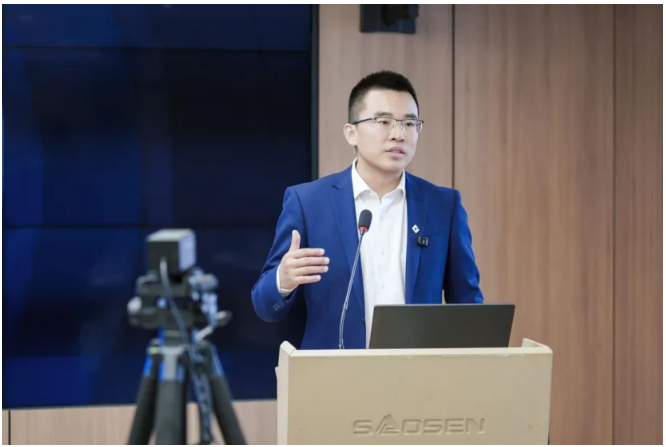
Hu Xiaoyi, deputy director of Shanxi Guojin Law Firm and deputy director of the Criminal Specialized Committee of Shanxi Lawyers Association, pointed out in his comments that the content shared in this module is of great practical value and can be almost directly applied to the handling of cases. In particular, he emphasized that both the illegal disposal of waste and the illegal occupation of agricultural land are deeply involved in the issue of the convergence of crime and execution. He also introduced the valuable experience of solving ecological restoration problems through “administrative consultation”, which affects the handling of criminal cases and provides new ideas for defense.
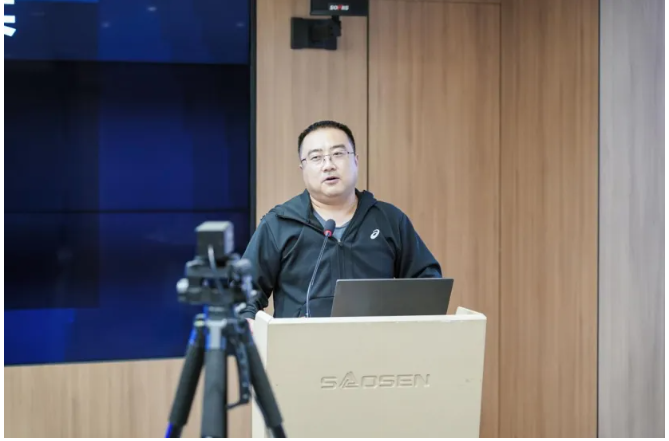
Professor Yu Yang of Shanxi University Law School sublimated the theoretical level in his comments, agreeing that the references to administrative law concepts in the criminal law must maintain independence, and put forward further thoughts on the viewpoints of Mr. Zhang Sijia: If “emission and dumping” is a behavioral crime, and “disposal” is a result crime, the criminal law should be considered as a criminal case in the context of the criminal law. If “discharge or dumping” is a behavioral crime, and “disposal” is a result crime, is it coordinated in terms of legislative theory? He suggested that we can learn from overseas criminal law to make a typological distinction between the dangerous levels of “hazardous waste”, so as to achieve a more refined differentiation in sentencing, which provides theoretical support for the defense strategy.
Sharing new knowledge and thanking colleagues
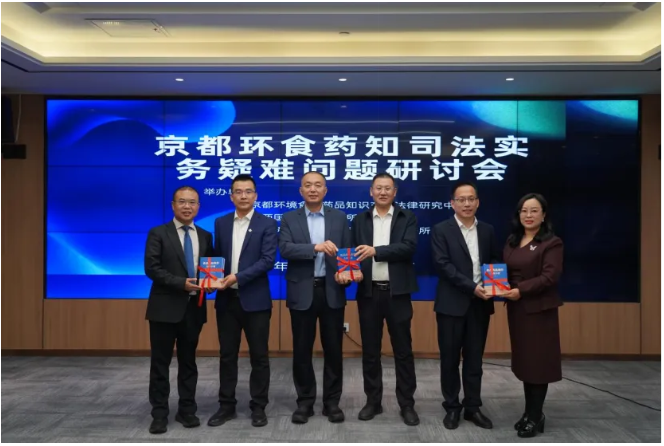
During the tea break, a short book presentation ceremony was arranged. King&Capital Law Firm presented the latest research result of the Center, “Handbook for Handling Food and Drug Cases”, to the co-organizers of the conference - Shanxi Guojin Law Firm, Beijing Tianchi Juntai (Taiyuan) Law Firm and Shanghai Jinglin (Taiyuan) Law Firm. The book was written by the center's team members and published by Law Publishing House, condensing the research and practical experience of the center's researchers in the past one and a half years. On behalf of the Center, Mr. Tang Jianbin, Mr. Zhang Sijia, and Mr. Wang Zhiqiang presented the book to the representatives of Guo Jin, Tianchi Taiyuan, and Jinglin Taiyuan, and expressed their sincere thanks to the three law firms for their hard work for the success of this conference. This session not only shared the latest knowledge achievements, but also reflected the good atmosphere of open collaboration and common progress among the organizers.
Unit II:
Path to Solve Focused Problems in Food and Drug Crime Cases
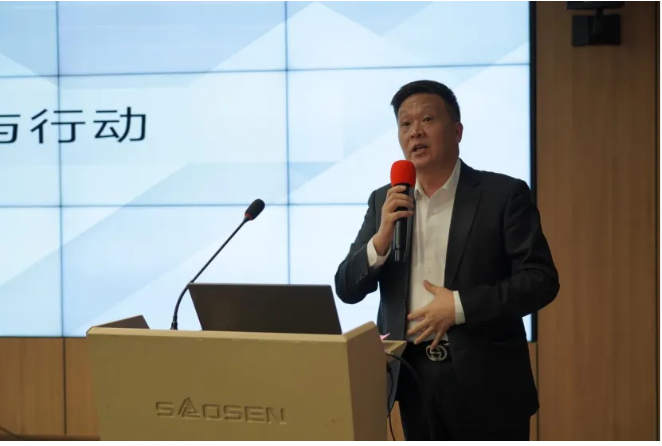
Chaired by Zhang Yongfu, Deputy Director of the Center of King&Capital Law Firm's Food and Drug Knowledge Research Center, this unit delves into the cutting-edge focus of food and drug crimes.
Theme Sharing in this Unit
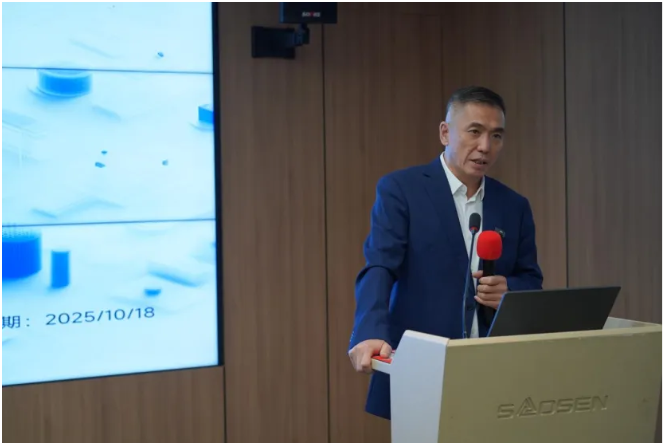
Guo Jianming, Deputy Director of King&Capital Law Firm, a researcher of the Kyoto Center for Food and Drugs Law Firm, presented the topic of “Criminal Law Boundary of Pork Passed Off as Beef” and systematically argued about the behavior of pork passed off as beef, citing the case of “Beef Dumplings” as a reference. He said that when there is no “substantial performance degradation” in terms of nutrition, safety and flavor, the problem should be solved through civil compensation and administrative penalties, and that the criminal law should adhere to modesty and intervene only in extreme cases such as product safety poisoning, serious performance degradation or targeting of special groups.
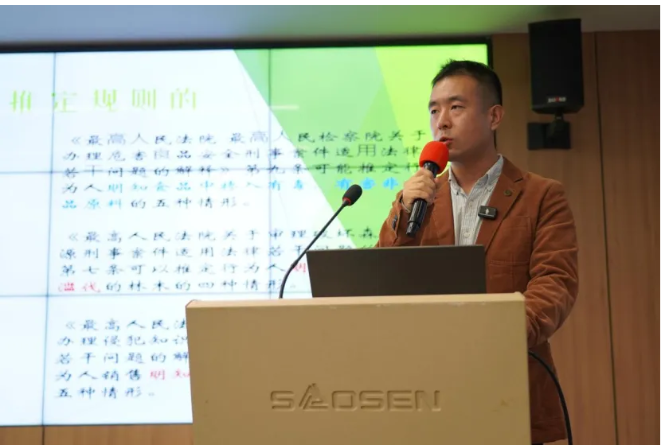
Dr. Zhai Lipeng, a doctor of law, lawyer of Beijing Kanda Law Firm, and researcher of King&Capital Law Firm, analyzed the determination of “knowingly” in the case of selling poisonous and harmful food in the case of “Poisoned Coffee”. In “The Determination of ‘Knowledge’ in the Case of Selling Poisonous and Harmful Foods from the Case of ”Poisoned Coffee“”, Mr. Zhai Lipeng insightfully analyzed the three major dilemmas of the “knowledge” presumption rule in judicial practice: the difficulty of the perpetrator's knowledge, the difficulty of counter-evidence, and the weak correlation between the basic facts and the presumed facts. He called for a strict limitation of the underlying facts of the presumption, and a strengthening of the examination and admissibility of the defendant's counter-evidence.
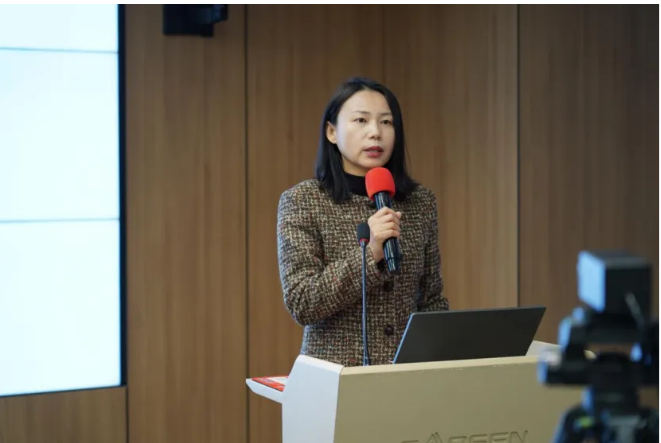
Fan Yajun, Deputy Director of the Criminal Committee of Beijing Tianchi Juntai (Taiyuan) Law Firm, spoke on the topic of “New Thoughts on the Crime of Counterfeit and Shoddy Products in the Face of Inflation”, arguing that the 50,000 RMB threshold set in 1997 was seriously lagging behind through detailed data comparisons (e.g., the price of donkey meat has risen by several times in the past 20 years). She argued for the introduction of the “substantial legal interest infringement” review and the “principle of proportionality” in the defense, and the promotion of substantive interpretation of the amount of money, so as to avoid an imbalance in the penalty.
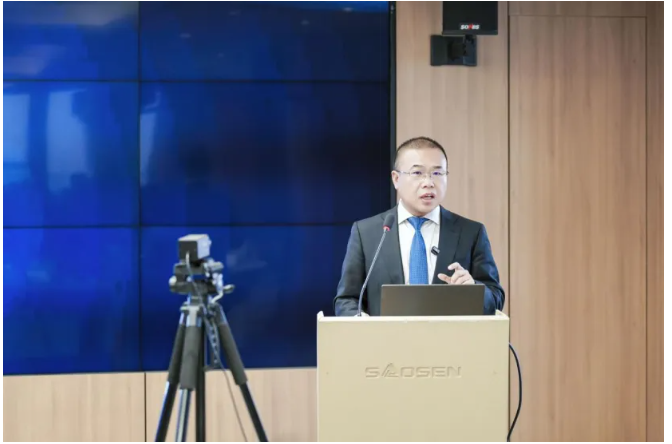
Tang Jianbin, Senior Partner of King&Capital Law Firm and Director of the Kyoto Center for Food and Drug Law Firm, focused on the “Controversial Issues of Three Administrative Opinions on Drug Crimes” and analyzed the issues of “Fake Drugs/Shoddy Drugs”, “Sufficiently Serious to Harm Human Health”, and “Whether it is a Traditional Formulation of Folklore”. “Whether it is a traditional folk formula”. Combined with a number of cases, he emphasized that judicial officers must conduct independent and substantive judicial review of administrative determinations, and should not blindly adopt them, and elaborated on the specific methods of cross-examination and counter-examination.
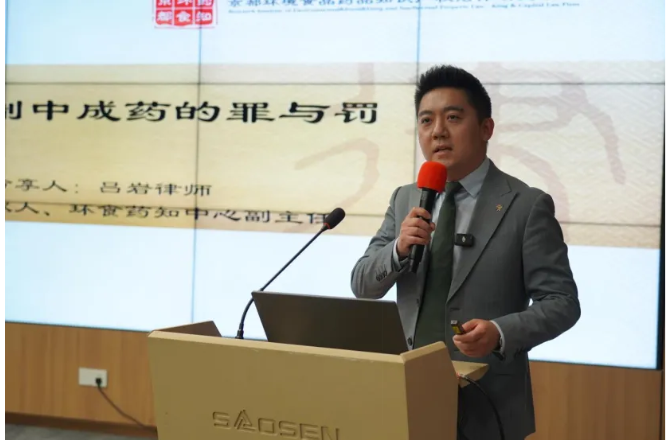
Lv Yan, Partner of King&Capital Law Firm and Deputy Director of Kyoto Law Research Center for Food and Drug Knowledge, made a fine distinction between the nature of behavior in the grey area of “customized proprietary Chinese medicines” with the topic of “Crimes and Punishments of Customized Proprietary Chinese Medicines on Behalf of Customers”. He pointed out that according to the specific behavioral pattern (whether it is Chinese medicine concocting, drug manufacturing or substitute processing service) and subjective purpose, it is prudent to make a distinction between the crimes of producing and selling counterfeit medicines, obstructing the drug administration and producing and selling fake and shoddy products, so as to avoid a broad-brush determination of felonies.
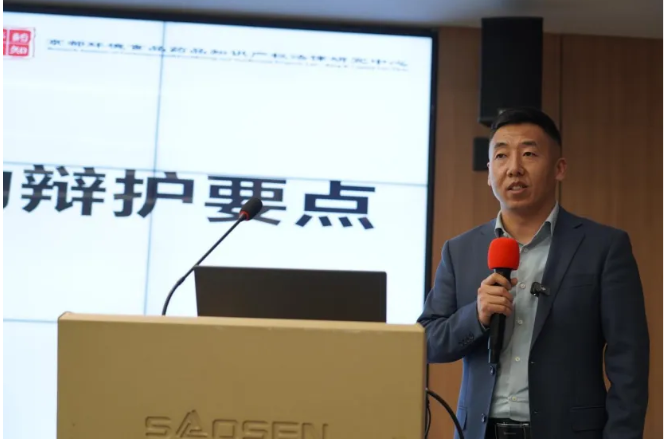
Liu Yanchao, a researcher at the King&Capital Law Firm, pointed out in “Points for the Defense of the Crime of Producing and Selling Fake and Shoddy Seeds” that in judicial practice, “fake and shoddy seeds” in the Seed Law is commonly confused with “fake and shoddy seeds” in the Criminal Law. He pointed out the common problem of confusion between “fake and shoddy seeds” in the Seed Law and “shoddy seeds” in the Criminal Law in judicial practice. He systematically sorted out the essential differences between the two in the normative purpose and the connotation of “fake and shoddy”, and put forward from the “seed quality appraisal”, “loss causation” and “subjective ignorance”. “subjective ignorance” three core points to break through the defense system.
Review of this module
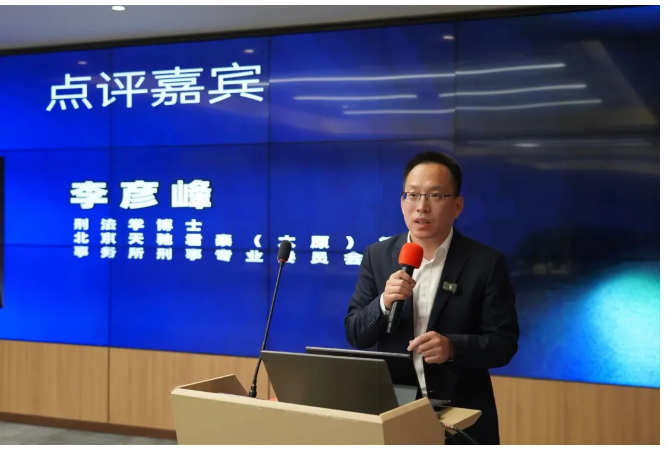
Dr. Li Yanfeng, a doctor of criminal law and director of the Criminal Committee of Beijing Tianchi Juntai (Taiyuan) Law Firm, responded to the views of the keynote speakers in depth in his commentary. He firstly resonated with Mr. Zhai Lipeng's discussion on “knowingly”, which is essentially a strict administrative obligation imposed by the law on the perpetrator, and the space for defense is indeed limited. With regard to the “traditional folk formula” mentioned by Tang Jianbin and Lv Yan, he raised a pointed question: if a western medicine formula with significant curative effects is mastered by a small number of people and used for generations, can it be recognized as a “traditional formula”? This has led to the consideration of the scope of policy protection. With regard to Guo's case of “pork passed off as beef”, he expressed a different opinion, arguing that ‘dumplings’ should first be evaluated as a whole product, and that its “usability” should include the purity of the filling, and that pork should be used as a substitute for beef. The “performance in use” should include the expectation of the purity of the filling, and the adulteration of pork itself may constitute “adulteration”. Fan Yajun's perspective of “inflation leads to a substantial lowering of the threshold of incrimination” is recognized, and his shift from “monetary amount” to “harm in kind” to assess the social harm is highly inspirational. The idea of shifting from “monetary amount” to “physical harm” to assess the social harm is very inspiring. Finally, Liu Yanchao lawyer on the production and sale of shoddy seeds in the analysis of the crime, that even if the seed quality is qualified, the label does not match there is still the possibility of incrimination. His comments show the collision of prosecution and defense thinking, greatly inspired the audience.
Fourth, the closing summary session of the meeting to draw the finishing touch, sublimation theme
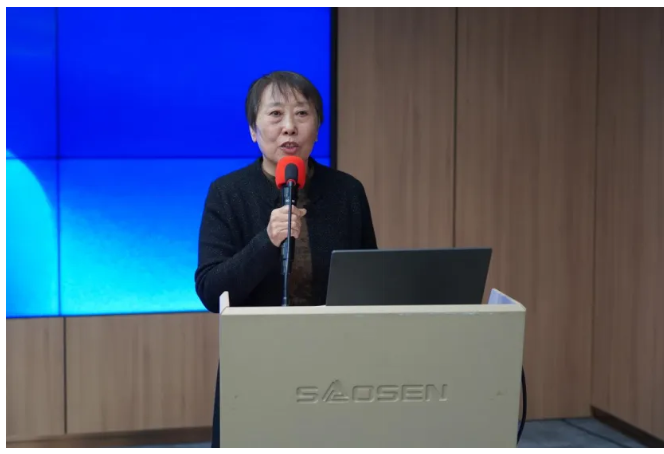
Xing Man Yuan, vice president of the Criminal Law Research Association of Shanxi Law Society, professor of Shanxi Police College and expert consultant of Shanghai Jinglin (Taiyuan) Law Firm, made a closing summary of the seminar. She highly evaluated the meeting, but also positioned the seminar as an academic meeting, and summarized five major features: first, the theory of
Translated with DeepL.com (free version)