

In recent years, as the nation has intensified its anti-corruption efforts and legal requirements for compliance in the pharmaceutical industry have continued to tighten, the criminal legal risks faced by companies and their employees have become increasingly prominent. On May 1, 2026, the “Interpretation on Several Issues Concerning the Application of Law in Handling Criminal Cases of Embezzlement and Bribery (II)” (hereinafter referred to as the “Second Judicial Interpretation on Embezzlement and Bribery”) officially came into effect. This judicial interpretation provides comprehensive and detailed provisions regarding the application of laws to crimes of embezzlement and bribery, further tightening the criminal law net. It also has far-reaching and profound implications for the business models, compliance management, and risk prevention and control within the pharmaceutical industry.
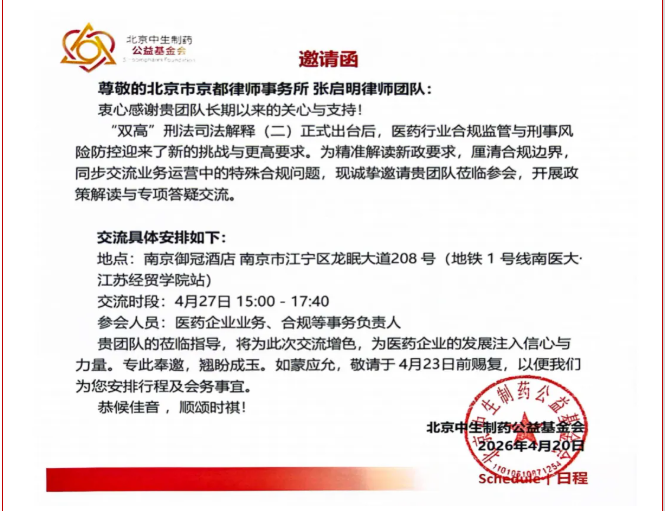
Against this backdrop, attorneys Zhang Qiming, Xu Ming, and Dai Shengyun were invited to form a legal team to deliver a special lecture on the “Judicial Interpretation II on Embezzlement and Bribery” at the China National Biotec Group Pharmaceutical Public Welfare Foundation. Drawing on their experience in handling official misconduct cases, they addressed key issues of concern to the pharmaceutical industry, providing explanations from multiple dimensions—including the legal framework, interpretation of criminal charges, practical case studies, and industry risks—and engaged in in-depth exchanges and interactions with industry professionals.
I. The Implementation of the “Second Judicial Interpretation on Embezzlement and Bribery”
Reshapes the Legal Ecosystem of the Pharmaceutical Industry
The pharmaceutical industry features a long supply chain, numerous stakeholders, and complex commercial transactions. Corruption and illegal activities are prone to arise in various stages, including drug R&D, production, sales, bidding, and clinical collaborations. The introduction and implementation of the “Second Judicial Interpretation on Embezzlement and Bribery” have had a significant impact on the existing legal ecosystem of the pharmaceutical industry, specifically manifested in the following ways: First, it has lowered the threshold for criminal liability and raised the standards for both corporate bribery and bribery of corporate entities in the medical sector, explicitly designating the medical field as a key area for the punishment of bribery crimes; Second, the determination of the beneficiary has been established as the core criterion for distinguishing between corporate and individual crimes, leading to changes in the rules for determining bribery offenses by pharmaceutical companies; Third, the standards for conviction and sentencing have been unified for crimes committed by public officials and non-public officials, resulting in a lower threshold for criminal liability for corruption offenses committed by non-public officials in the pharmaceutical industry.
Therefore, the implementation of the “Second Judicial Interpretation on Embezzlement and Bribery” represents not only a resolute measure by the state to severely punish corruption in the pharmaceutical sector and purify the industry’s ecosystem, but also a legal safeguard to promote the pharmaceutical industry’s return to its public welfare mission and achieve high-quality development. For entities in the pharmaceutical sector such as the China National Biotec Group Pharmaceutical Public Welfare Foundation, thoroughly studying the new regulations, fully grasping the spirit of the law, and comprehensively identifying risks are essential for survival and development, and are also an inevitable requirement for fulfilling social responsibilities.
II. Multi-Angle Interpretation of Core Principles,
Assisting Participants in Understanding the Meaning of Legal Provisions
This lecture event was highly prioritized by the China Biopharmaceuticals Public Welfare Foundation, with relevant foundation officials, core staff members, and representatives from the pharmaceutical industry attending to participate in the training. A legal team comprising attorneys Zhang Qiming, Xu Ming, and Dai Shengyun delivered a systematic legal presentation covering the fundamentals of criminal law, the legislative framework of anti-corruption laws, interpretations of criminal offenses under the new regulations, and analyses of practical case studies, which received unanimous recognition from the attendees.
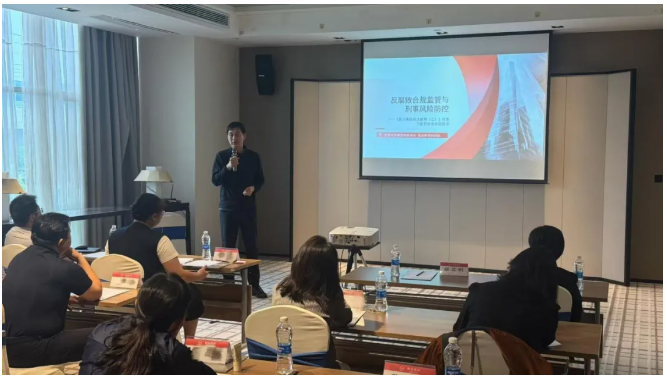
Attorney Zhang Qiming approached the topic from four perspectives: the basic concepts of criminal offenses, litigation procedures, legal consequences, and the possibility of avoidance. Drawing on his experience as a public prosecutor, he outlined the fundamental nature of criminal offenses from both the prosecution and defense perspectives, thereby dispelling participants’ misconceptions regarding criminal law.
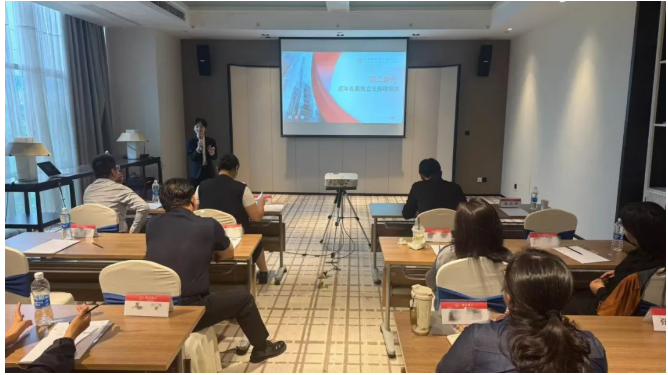
Attorney Dai Shengyun examined the evolution of anti-corruption efforts by tracing two parallel threads: the broader legislative framework for anti-corruption and the specific context of the pharmaceutical industry. This approach helped attendees recognize that combating corruption in the pharmaceutical sector is a key focus of the nation’s future anti-corruption efforts.
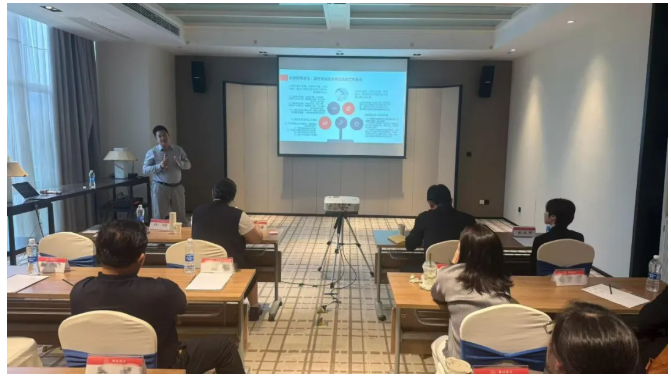
Attorney Xu Ming focused on the key highlights, changes in criminal charges, and practical application of the “Second Judicial Interpretation on Embezzlement and Bribery.” Drawing on his experience handling occupational crimes in the pharmaceutical industry, he used real-life cases to illustrate legal principles, enabling attendees to intuitively grasp the core content of the new regulations.
III. Interactive Q&A Session,
Building Consensus on Compliance in the Pharmaceutical Industry
Following the lecture, attendees actively posed questions based on their practical work experiences. Topics covered included the determination of financial interests in pharmaceutical business collaborations, the transition between the old and new judicial interpretations, and the legal characterization of new types of borderline behaviors. The legal team patiently addressed each question, providing professional legal analysis. The on-site exchange was lively, pragmatic, and highly efficient. Attendees unanimously agreed that this interactive session directly addressed practical workplace challenges, resolved long-standing uncertainties, and was highly practical.
The organization of this special lecture on the “Second Judicial Interpretation on Embezzlement and Bribery” helped relevant entities and individuals accurately identify criminal legal risks. It assisted enterprises and foundations in improving their internal compliance management systems and preventing embezzlement and bribery crimes at their source, serving as a vivid example of how legal expertise empowers the pharmaceutical industry. Moving forward, the legal team will continue to focus on the compliance needs of key sectors such as pharmaceuticals, finance, and public welfare, conducting various compliance training activities to safeguard market entities and public interest organizations with their professional expertise.