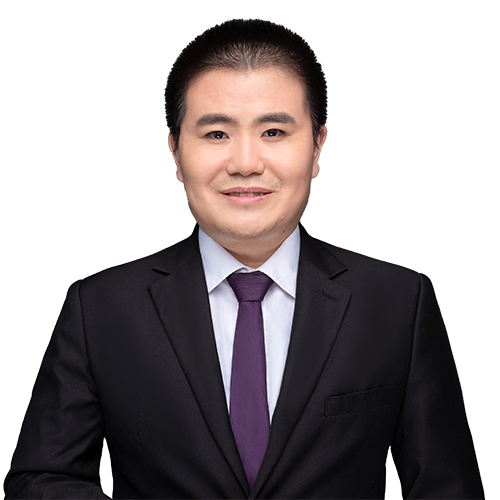

On the morning of May 26, 2026, Attorney Yan Huainan, a senior partner at King&Capital Law Firm, was invited by Beijing International Construction Group Co., Ltd. (hereinafter referred to as “Guojian Company”) to conduct a special training session on the prevention of occupational crimes for Guojian Company’s leadership team, department heads, and project managers. The session focused on the “Interpretation (II) on Several Issues Concerning the Application of Law in Handling Criminal Cases of Embezzlement and Bribery” issued by the Supreme People’s Court and the Supreme People’s Procuratorate.
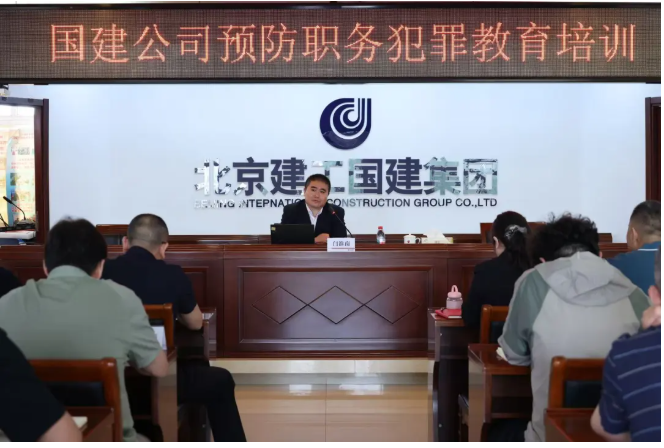
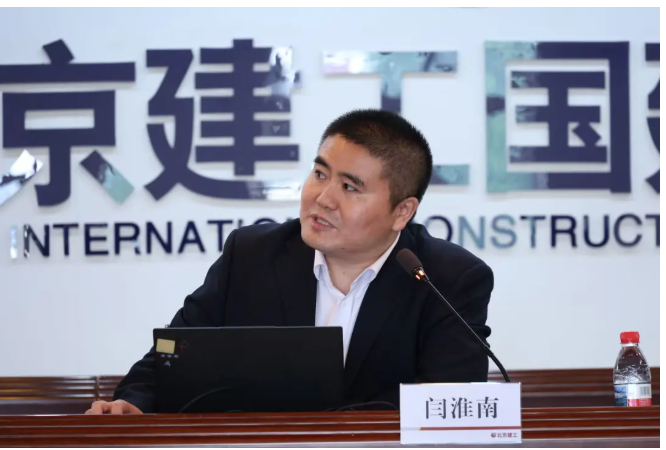
Attorney Yan Huainan began by examining the interplay between regulations, discipline, and law, focusing on an in-depth interpretation of the core provisions of the “Interpretation (II).” He provided a detailed analysis of recent changes in the standards for conviction and sentencing of embezzlement and bribery crimes, particularly the trend toward “alignment” between the standards for crimes committed by non-state employees—such as bribery, embezzlement of corporate assets, and misappropriation of funds—and those for corresponding crimes committed by state employees; He systematically explained the thresholds for criminal liability and the tiers of aggravating circumstances for corporate crimes (corporate bribery and corporate bribe-giving); regarding new forms of covert corruption, he focused on analyzing the rules for determining expected gains, as well as methods for authenticating the authenticity and appraising the value of specific items (such as calligraphy, paintings, jade, and fine wines); Additionally, the session addressed practical challenges such as the distinction between the crime of facilitating bribery and the crime of accepting bribes by exerting influence, as well as the specific considerations for determining voluntary surrender in official duty-related crimes.
Drawing on the practical context of state-owned construction enterprises, Attorney Yan conducted an in-depth analysis of issues such as the conversion of “slush funds,” irregular reimbursement practices, and the transfer of benefits during the bidding process. Through typical case studies, he cautioned participants to “know their limits, remain vigilant, and uphold ethical boundaries.”
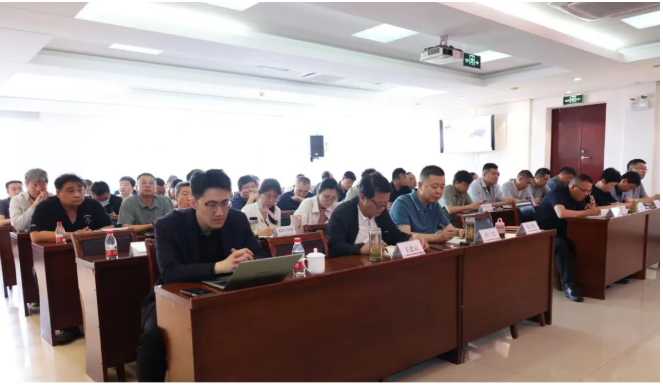
The training session lasted three hours and featured lively on-site interaction. Attorney Yan also presented participants who actively answered questions with a copy of *A Comprehensive Guide to Discipline Inspection and Supervision Practices in State-Owned Enterprises*, a book he co-authored. Guojian Company stated that this training effectively integrated theory with practice and served as an important guide for strengthening the rule-of-law mindset among all employees and preventing integrity risks in their respective positions.