

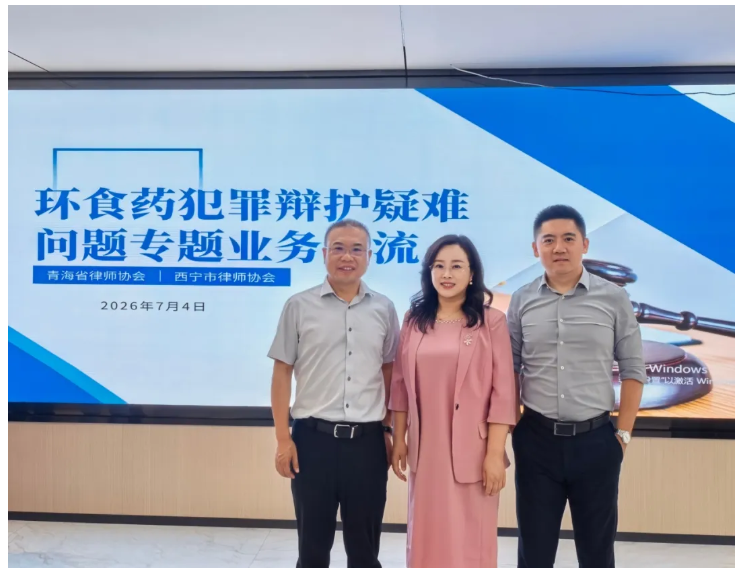
On July 4, 2026, a specialized professional exchange seminar on challenging issues in the defense of environmental, food, and drug-related crimes—jointly organized by the Qinghai Provincial Bar Association and the Xining Municipal Bar Association—was successfully held in Xining. Tang Jianbin, Director of the Jingdu Research Center for Environmental, Food, and Drug Law, and Zhang Sijia, Deputy Director and Secretary-General of the Center, delivered specialized lectures on the defense of food, drug, and environmental crimes, respectively, while Deputy Director Lü Yan presented a discussion on hot topics in criminal defense.
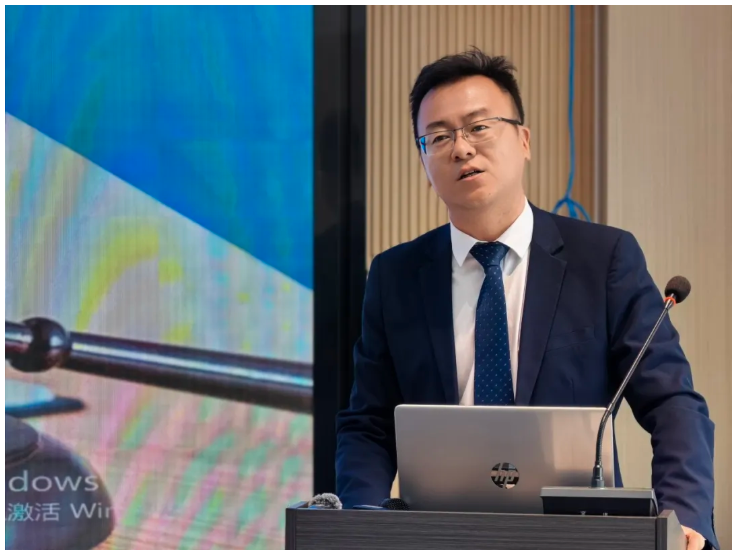
The conference was chaired by Pu Fuhua, Chair of the Administrative Law Committee of both the Qinghai Provincial Bar Association and the Xining Municipal Bar Association.
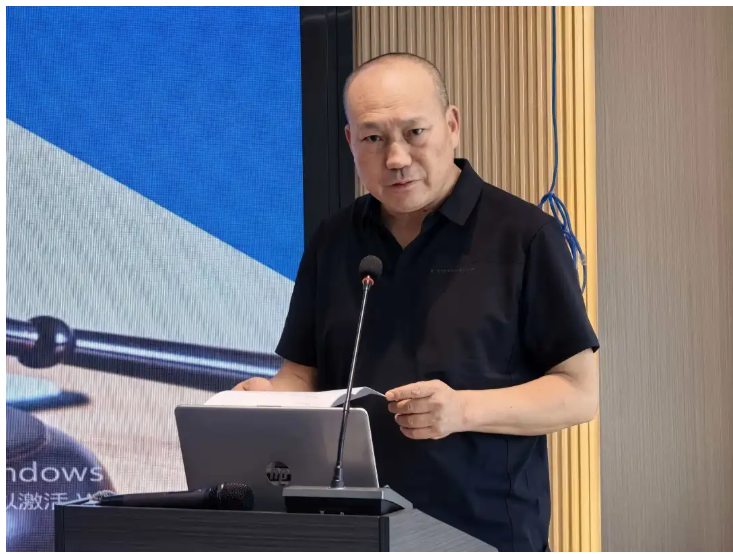
Jiang You-sheng, President of the Qinghai Provincial Bar Association, delivered the opening remarks. He extended a warm welcome to Attorney Tang Jianbin, Director of the Kyoto Legal Research Center for Environmental, Food, and Drug Law; Attorney Zhang Sijia, Deputy Director and Secretary-General; and Attorney Lü Yan, Deputy Director, along with their delegation. President Jiang pointed out that food and drug safety and environmental protection are closely tied to people’s livelihoods, and that strengthening the rule of law in the fields of environment, food, and drugs is a vital component of using the rule of law to safeguard social governance. He went on to note that as criminal defense practice becomes increasingly specialized, the importance of in-depth exploration of niche areas and interdisciplinary legal research is becoming ever more evident. Crimes involving food, pharmaceuticals, and the environment—where public and private interests intertwine and administrative law intersects with criminal law—present a significant challenge to defense attorneys’ expertise. This requires moving beyond a case-by-case mindset, cultivating a standardized approach among industry-focused lawyers, and establishing end-to-end legal services.
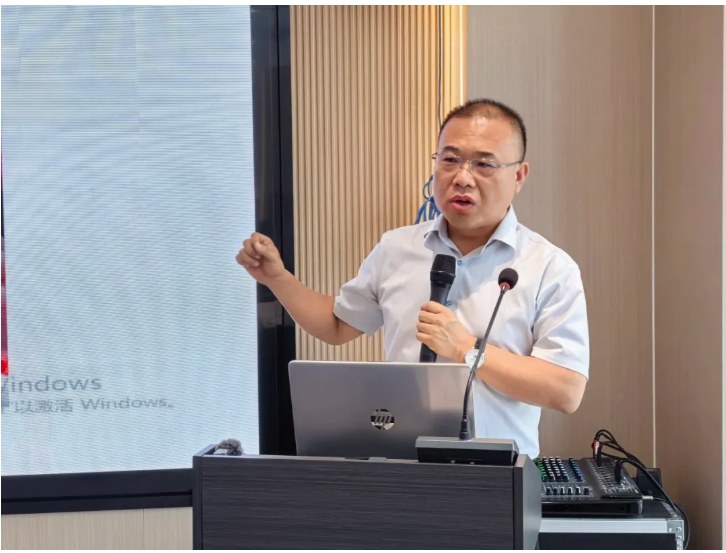
During the special lecture session, Attorney Tang Jianbin delivered a presentation titled “Defense Strategies for Hot-Button and Complex Issues in Food and Drug Crimes,” sharing the latest trends in this field. Starting with legal application, evidence review, objective conduct, and subjective knowledge, he systematically explained practical defense methods by addressing the key challenges in handling food and drug-related criminal cases. Attorney Tang Jianbin emphasized that in criminal defense, it is essential to clarify the boundaries between administrative and criminal proceedings in food and drug cases, noting that the determination of relevant crimes involves not only formal criteria but also substantive criteria.

Attorney Zhang Sijia focused on “Practical Defense Strategies for Criminal Cases Involving Environmental Pollution—Identifying Doubts and Response Strategies.” Centered primarily on the complex issues surrounding the crime of environmental pollution through the illegal disposal of hazardous waste, she systematically reviewed the historical development of relevant laws, methods and key points for examining hazardous waste, the criteria for establishing guilt in such cases, the interpretation of related concepts, the interface between administrative and criminal enforcement, and the protection of legal interests. Drawing on detailed case studies, the two attorneys separately analyzed the key points, ambiguities, and challenges in food and drug cases and environmental cases, helping attendees clarify the core disputes and technical issues involved in handling such criminal cases.
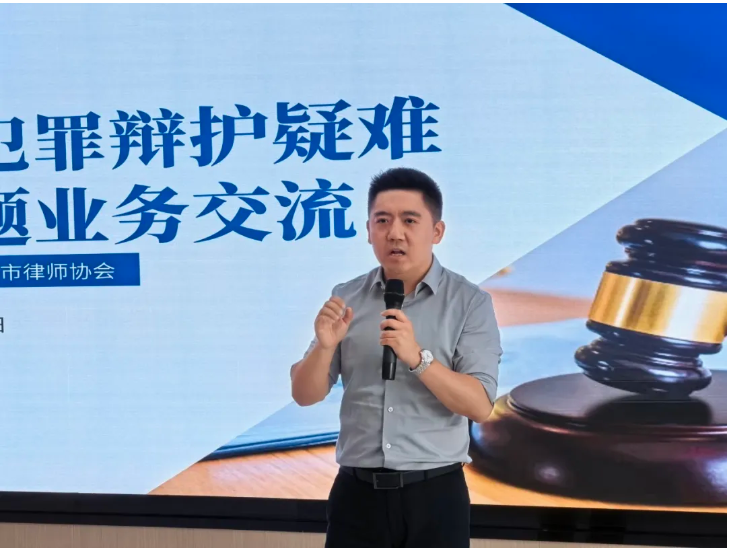
During the session on hot topics in criminal defense, Attorney Lü Yan emphasized that the King&Capital Research Center for Environmental, Food, Drug, and Intellectual Property Law has always adhered to a philosophy of openness and welcomes everyone to join the Center and collaborate with its members to further deepen research in the fields of environmental, food, drug, and intellectual property law. He also offered candid advice on the professional development of young attorneys and client acquisition, drawing on his own experiences.
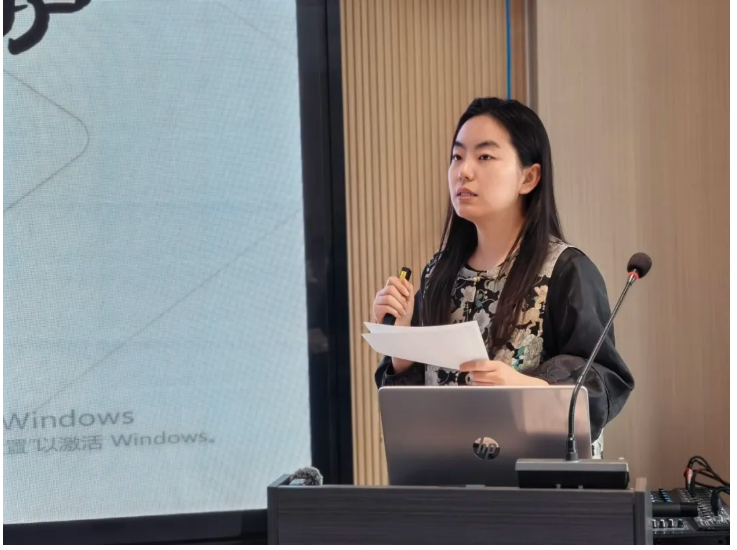
Dr. Ji Qiong, Director of the Department of Constitutional and Administrative Law at the School of Law and Sociology of Qinghai Normal University, introduced the filing and review system and discussed its potential applications in criminal defense.
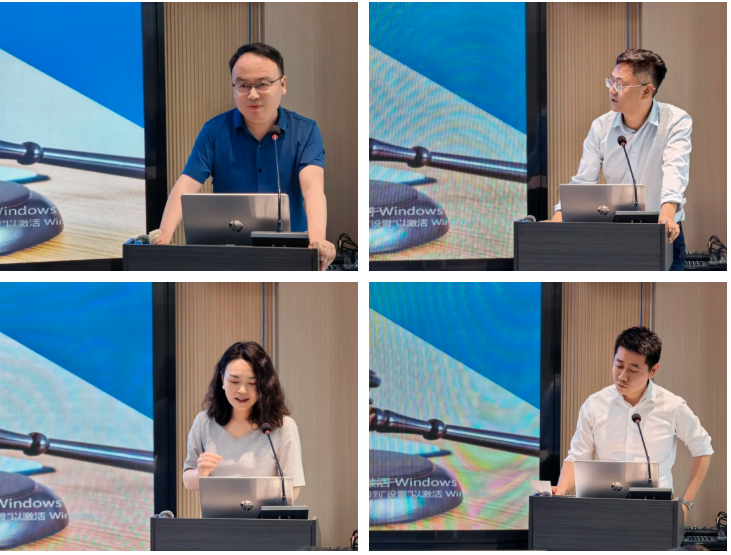
Li Jianwen, Deputy Director of the Criminal Law Committee of the Qinghai Provincial Bar Association; Zhang Sanmao, Deputy Director of the Criminal Law Committee of the Qinghai Provincial Bar Association; Zhao Li, Director of the Criminal Law Committee of the Xining Municipal Bar Association; and Wang Chengyuan, Deputy Director of the Xining Municipal Bar Association Committee, successively delivered in-depth commentary and constructive remarks on theoretical and practical issues related to defense in environmental, food, drug, and intellectual property law cases.
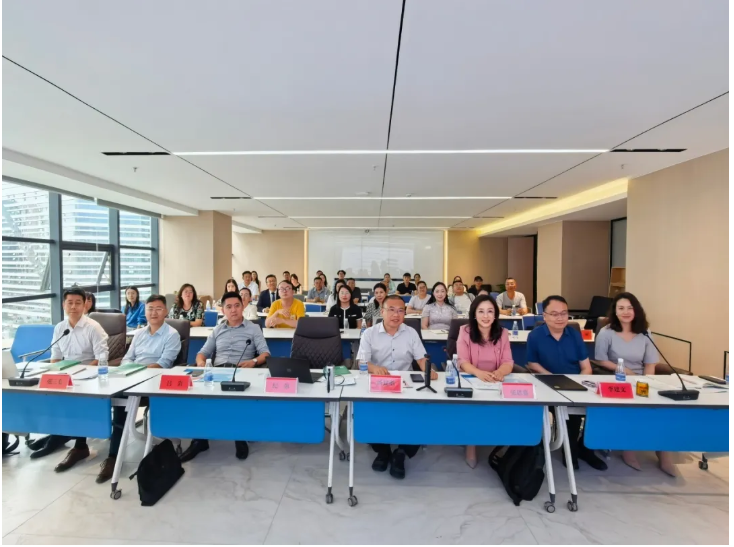
The Kyoto Environmental, Food, Drug, and Intellectual Property Law Research Center has long been committed to enhancing legal service capabilities and advancing legal research. This exchange event fully demonstrated the Center’s expertise in environmental, food, drug, and intellectual property law. In the future, the Kyoto Environmental, Food, Drug, and Intellectual Property Law Research Center will further strengthen cooperation with bar associations across the country to jointly organize events focused on the defense of crimes related to “environmental, food, drug, and intellectual property” matters.
Translated with DeepL.com (free version)