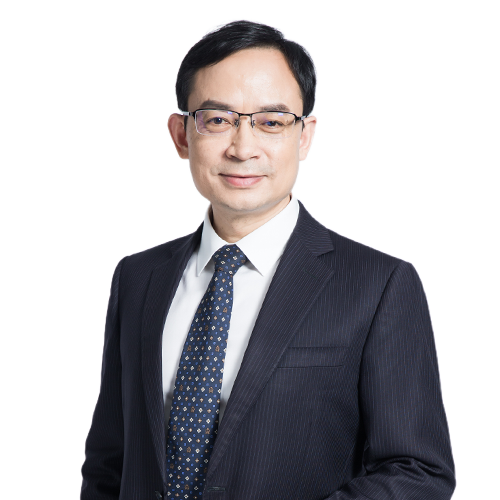

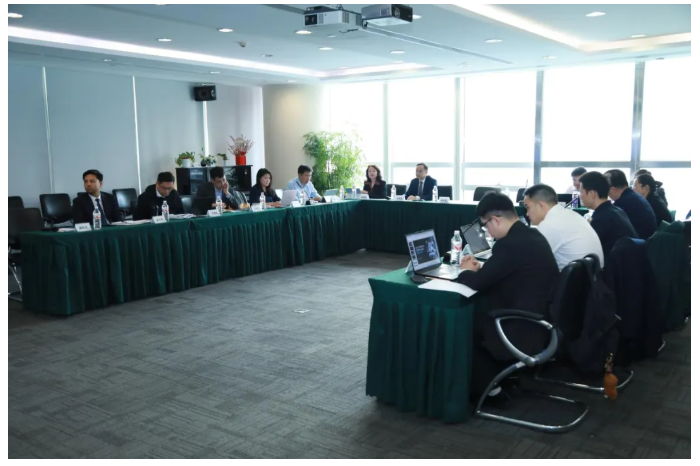
On October 10, the first roundtable forum organized by the postdoctoral research studio and doctoral innovation practice base—a joint initiative between Northwest University of Political Science and Law and Beijing King&Capital Law Firm—was successfully held at King&Capital Law Firm. The forum centered on legal issues related to major liability accidents, focusing on theoretical controversies and practical challenges in judicial practice regarding the crime of major liability accidents, and facilitated an in-depth dialogue between theory and practice. Fan Jiuli, Deputy Secretary of the Party Committee and President of Northwest University of Political Science and Law; Tian Wenchang, Founding Partner of King&Capital Law Firm; Fu Yuming, President of the Journal Press and Professor at Northwest University of Political Science and Law; Chen Jingchun, Dean of the School of Criminal Law and Professor at Northwest University of Political Science and Law; Liu Renqi, Dean of the School of Public Security and Professor at Northwest University of Political Science and Law; Guo Shuo, Professor at China University of Political Science and Law; Zhang Hongli, Deputy Director of the Personnel Office at Northwest University of Political Science and Law; Liu Weibo, Vice Dean of the Graduate School at Northwest University of Political Science and Law; Zhu Yonghui, Director of King&Capital Law Firm; Chu Changzhi, Managing Partner and CEO; Senior Partners Liang Yali and Weng Xiaoping; Wang Yichao, Associate Professor at the School of Law, Minzu University of China and part-time attorney at King&Capital Law Firm; as well as experts and scholars from universities, doctoral candidates, postdoctoral researchers, and legal practitioners jointly participated in the discussion.
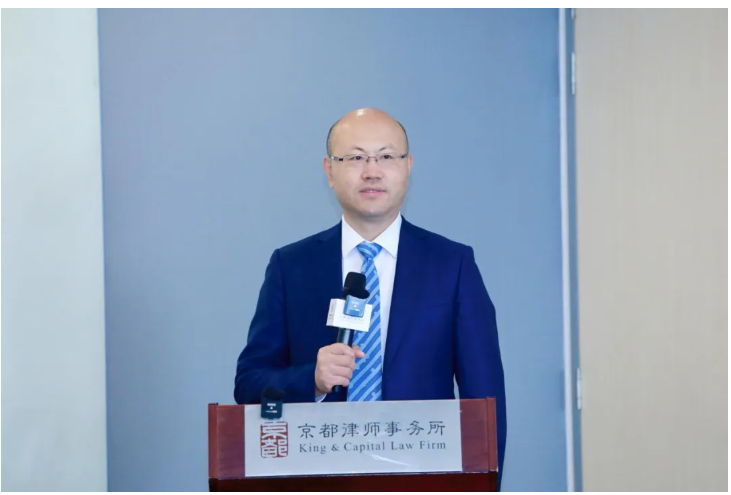
The opening remarks were moderated by Mr. Chu Changzhi, Managing Partner and CEO of Beijing King&Capital Law Firm. He fondly recalled the deep friendship and long-standing collaboration between Northwest University of Political Science and Law and King&Capital Law Firm, emphasizing the background of this roundtable forum: In December 2024, following in-depth research, Northwest University of Political Science and Law officially unveiled a postdoctoral research studio and a doctoral innovation and practice base at King&Capital Law Firm—the first of its kind.
Chu Changzhi expressed his hope that young scholars from academia and practitioners would exchange ideas and engage in intellectual dialogue on the same platform, continuing the collaborative tradition of “rooting theory in practice and feeding practice back into academia,” and truly producing research outcomes that address real-world needs and solve practical problems, “thereby setting a solid foundation and charting a clear path for the base’s series of academic activities.”
Remarks
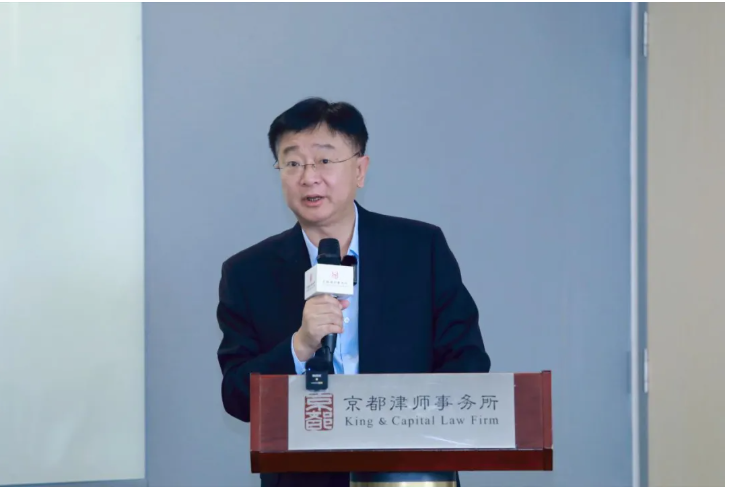
“The joint establishment of a postdoctoral studio by Northwest University of Political Science and Law and Beijing King&Capital Law Firm represents an innovative approach nationwide that will enable the sustained cultivation of legal professionals,” said Fan Jiuli, Deputy Secretary of the Party Committee and President of Northwest University of Political Science and Law, in his remarks. He reviewed the background and process leading to the base’s inauguration, highlighted the university’s substantial achievements in developing its postdoctoral research station in law, and put forward two specific recommendations for the base’s future development: First, he hoped both parties would establish a dedicated task force to fully support Beijing King&Capital Law Firm in applying for official accreditation as a Beijing Postdoctoral Innovation and Practice Base; second, he called for deepening the regularized practical training mechanisms for postdoctoral researchers and doctoral students, expanding the number of faculty and students participating in the base’s practical programs, and truly making the practice base robust and effective. At the same time, he expressed his heartfelt gratitude to Beijing King&Capital Law Firm for its long-term support of the university’s talent development efforts.
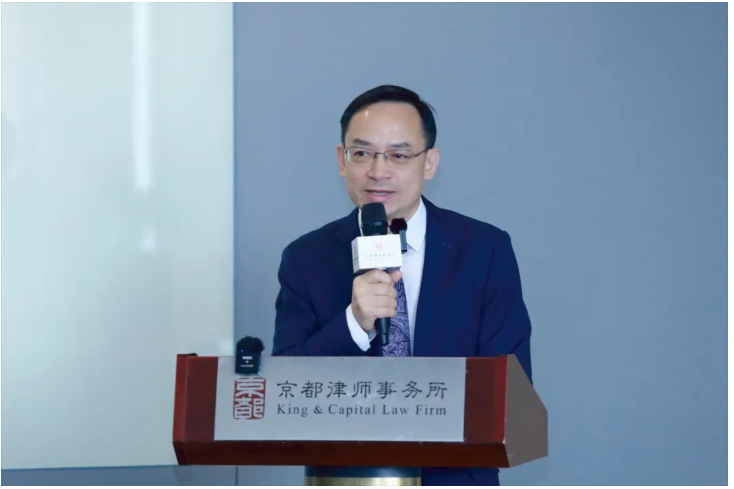
Zhu Yonghui, Director of Beijing King&Capital Law Firm, welcomed the delegation of experts from Northwest University of Political Science and Law and expressed gratitude for the trust the university has placed in the firm. He stated that King&Capital Law Firm would spare no effort in advancing the development of the postdoctoral studio and the doctoral innovation and practice base, actively promote the application process for the Beijing Postdoctoral Innovation and Practice Base, and complete the required legal registration procedures. He expressed his hope that, by leveraging this platform, the firm’s attorneys would enhance their theoretical expertise while drawing on the university’s intellectual resources to jointly produce high-quality research outcomes, thereby contributing to the cultivation of legal professionals and the advancement of the rule of law.
Keynote Presentations and Discussion
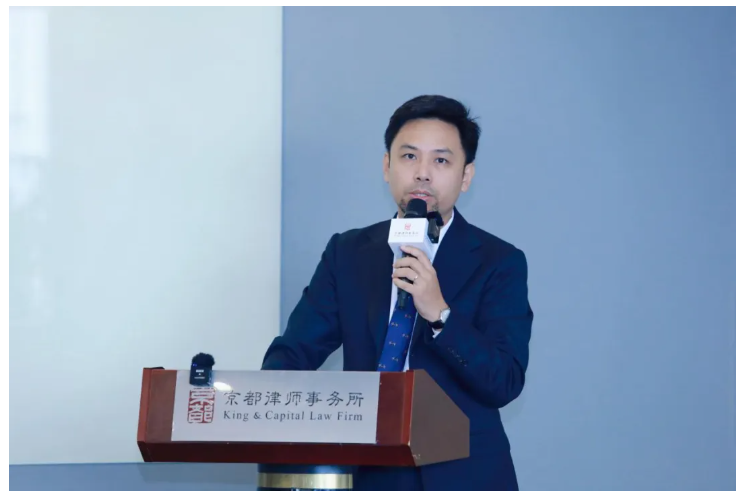
The keynote presentations and discussion session was moderated by Weng Xiaoping, Senior Partner at Beijing King&Capital Law Firm. This session featured in-depth discussions centered on four key areas: pathways for accountability in the crime of major liability accidents, investigative evidence collection, the boundaries of liability for management personnel, and institutional values and empirical case studies.
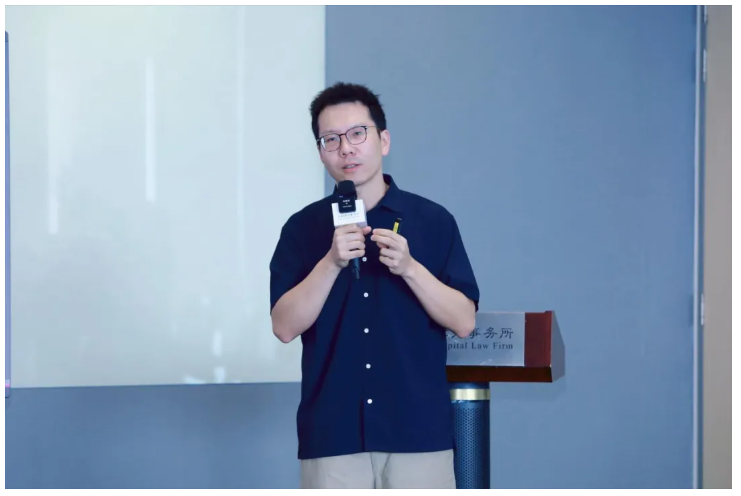
Liu Runze, Assistant Dean of the School of Criminal Law at Northwest University of Political Science and Law, delivered a presentation titled “Pathways for Accountability in Cases of Major Accidents Due to Negligence.” Drawing on relevant cases from China and Japan, he analyzed the practical characteristics of such cases, which involve policy considerations, distinguished between the two accountability frameworks—crimes of negligent commission and crimes of negligent omission—and argued that the analysis should be grounded in the framework of crimes of negligent omission, with a focus on clarifying the status of guarantors and the boundaries between duties of commission and duties of care. At the same time, he offered a substantive interpretation of the element of foreseeability and opposed the simplistic practice of directly presuming the capacity to foresee based solely on an individual’s official position.
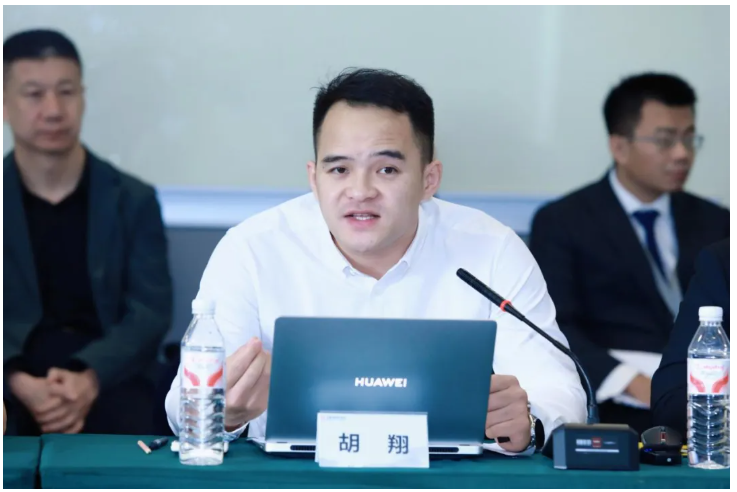
Hu Xiang, Assistant Dean of the School of Public Security at Northwest University of Political Science and Law, shared his research findings on “Investigative Approaches to the Crime of Major Liability Accidents.” From the perspective of retrospective investigation, he identified practical challenges throughout the entire process of accident cases—from on-site examination and the preservation of physical evidence to the safeguarding of electronic data and the closure of the chain of evidence. He highlighted practical issues such as the disruption of the original scene caused by rescue operations, breaks in the chain of custody of physical evidence, omissions in electronic evidence, and overreliance on accident investigation reports. He also distinguished between the two distinct approaches to evidence collection: proving “violations of regulations” and proving “subjective negligence.” Additionally, Hu Xiang systematically analyzed prominent issues regarding the evidentiary attributes, standards of proof, and determination of causation in the use of accident investigation reports within the criminal justice system.
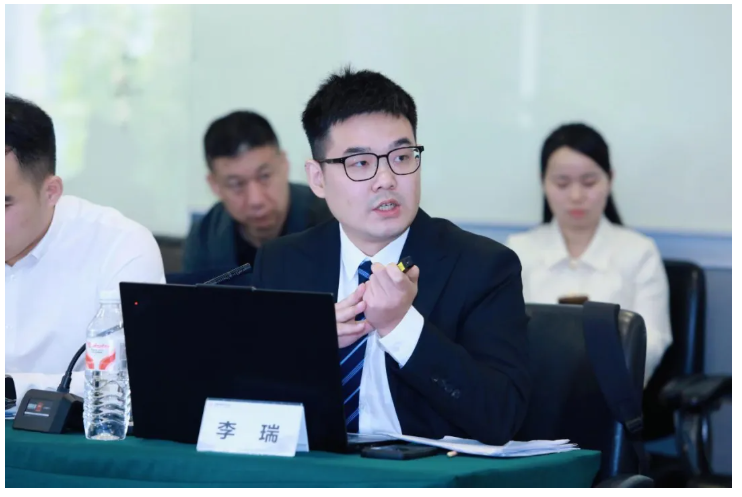
Li Rui, a 2025 doctoral candidate at Northwest University of Political Science and Law, drew on real-life cases where second-instance rulings were overturned to focus on the challenges of attributing liability for supervisory negligence. Under the title “The Boundaries of Criminal Liability for Supervisory and Management Personnel in Cases of Major Accidents Involving Serious Liability,” he explicitly opposed a “blanket” approach to accountability and proposed four criteria for assessing the liability of supervisory and management personnel: determining specific duties, assessing whether those duties were breached, examining the causal link between the breach and the outcome, and evaluating the protective purpose of the relevant regulations. At the same time, he explored the boundaries of applying the principle of reliance in workplace safety cases, emphasizing that job responsibilities, contractual agreements, and actual authority serve as the crucial foundation for determining criminal safety management obligations; criminal liability cannot be inferred solely based on status or rank.
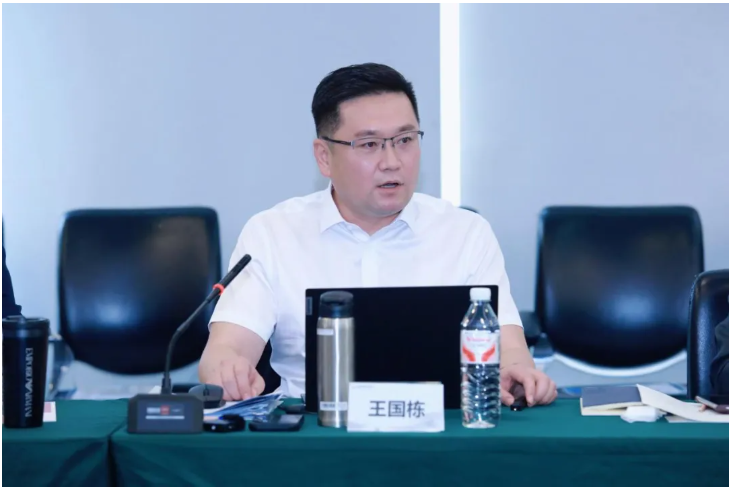
Wang Guodong, a doctoral candidate in the Class of 2026 at Northwest University of Political Science and Law and Director of the Sixth Division of the Tianjin Municipal Committee’s Political and Legal Affairs Commission, delivered a report titled “The Institutional Value of the Crime of Major Responsibility Accidents and an Empirical Analysis of Judicial Precedents.” From the perspective of law enforcement and judicial oversight practice, he elucidated the institutional value of the crime of major liability accidents as a typical crime of professional negligence. His discussion centered on improving the system of negligence crimes, clarifying theoretical controversies, implementing the principle of criminal law restraint, unifying judicial adjudication standards, and ensuring a smooth transition between administrative and criminal proceedings. Specifically, drawing on real-life cases of major fire liability accidents in the Tianjin region, he outlined the investigative approach for distinguishing between direct and indirect liability in situations involving multiple causes and a single consequence; analyzed the boundaries of using accident investigation reports; discussed practical mechanisms such as plea bargaining and the separation of cases; and issued a warning regarding the risk of over-expansion of liability in actual case handling.
Panel Discussion
During the panel discussion, Guo Shuo, Professor and Ph.D. advisor at China University of Political Science and Law; Fu Yuming and Chen Jingchun, Professors and Ph.D. advisors at Northwest University of Political Science and Law; Wang Yichao, Associate Professor at the School of Law, Minzu University of China and part-time attorney at King&Capital Law Firm; Liang Yali, Senior Partner at King&Capital Law Firm; and Zhang Pengpeng, Director of the Practice Management Department, delivered their comments in succession.
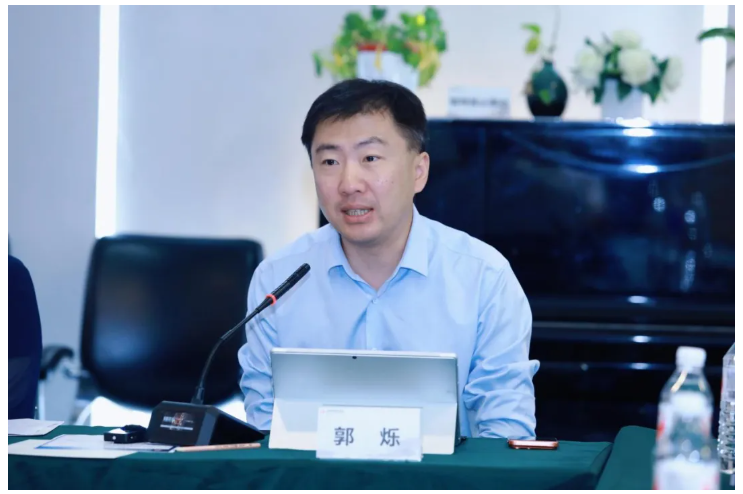
Professor Guo Shuo focused on procedural and evidentiary perspectives, analyzing the evidentiary status of accident investigation reports, disputes over types of evidence, rules for the conversion of evidence in the transition from administrative to criminal proceedings, and the institutional tensions surrounding the early intervention of procuratorial organs. He argued that a distinction must be made between the conclusions of administrative investigations and independent judicial determinations in criminal proceedings; even in the absence of an accident investigation report, judicial authorities should rely on the evidence in the entire case to independently reach a criminal determination.
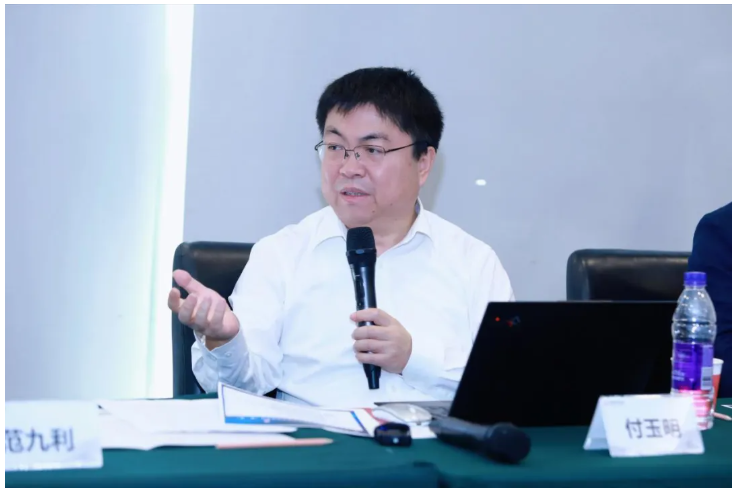
Professor Fu Yuming addressed practical challenges, noting that cases involving the crime of major liability accidents present real-world difficulties such as complex hierarchical structures of responsible entities, multiple causes leading to a single outcome, overreliance on accident investigation reports, and the tendency for the scope of liability for supervisory negligence to be unduly expanded. At the same time, he offered suggestions for the forum’s future topic selection, recommending that subsequent forums draw research topics more from real, complex cases handled by law firms, thereby ensuring that theoretical research originates from and serves practical applications.
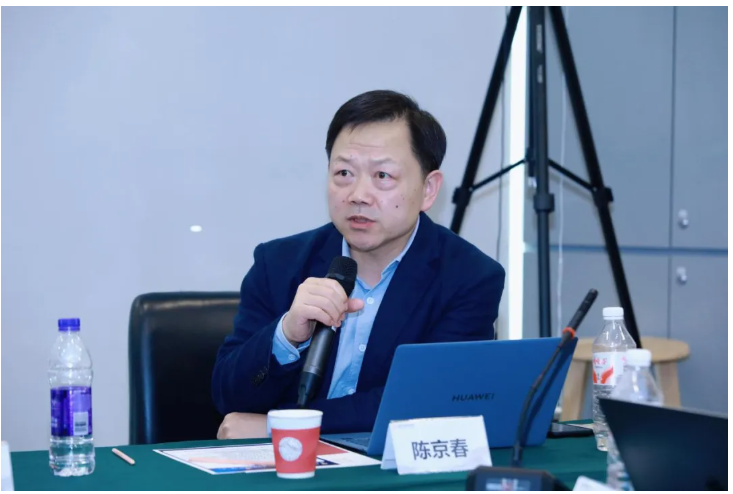
Professor Chen Jingchun began by examining the theoretical development of negligence offenses, analyzing the two core dimensions of professional negligence: “capacity for risk prevention and control” and “diligent performance of duties.” She also offered a forward-looking perspective, noting that in the era of artificial intelligence and human-machine collaboration, the attribution and liability for professional negligence crimes will face entirely new challenges, thereby opening up new avenues of thought for future academic research.
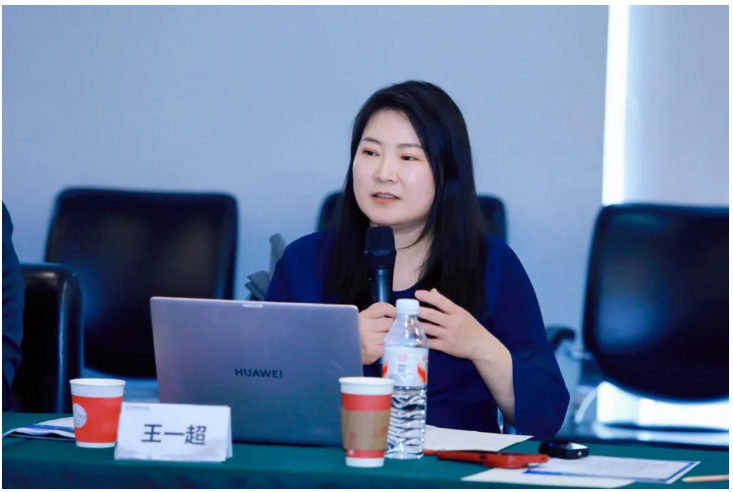
Associate Professor Wang Yichao, drawing on the Hand Formula, explored analytical approaches to determining the duty of care. She advocated for a “segmented review” of accident investigation reports, distinguishing between the factual narrative and the section on administrative liability, and argued that liability determinations at the administrative level cannot be directly equated with conclusions of criminal liability. She stated that defense counsel should present alternative versions of the facts that are reasonable in order to promote substantive judicial review.

Drawing on her practical experience representing clients in mining accident cases, Attorney Liang Yali focused on the practical difficulties of “piercing the corporate veil” to hold parent companies of corporate groups and executives of publicly listed companies accountable. She analyzed the differences in the legal definitions of “actual controller” under corporate law and criminal law, and argued that the open-ended elements of the crime of “major liability accident” should not be directly attributed to a company’s internal management systems. She argued that “piercing the corporate veil” should not be distorted into liability based on status or outcome; the determination of criminal liability must still adhere to the principle of unifying individual responsibility with subjective and objective elements. She further emphasized that it is inappropriate to unduly expand liability to higher-level entities or management tiers, such as parent companies of corporate groups or executives of publicly listed companies. Criminal liability should not be broadly attributed to “negligence in management and supervision” solely based on controlling interests, management relationships, institutional documents, or formal approval authorities. Instead, the assessment should focus on the actual authority of the specific actor, their ability to identify risks, their actual control over sources of danger, and the causal relationship between their inaction and the harmful consequences. Attorney Liang Yali believes that a basis for liability exists only when the actor bears a specific, actionable duty to act, possesses the corresponding capacity to fulfill that duty, yet fails to do so.
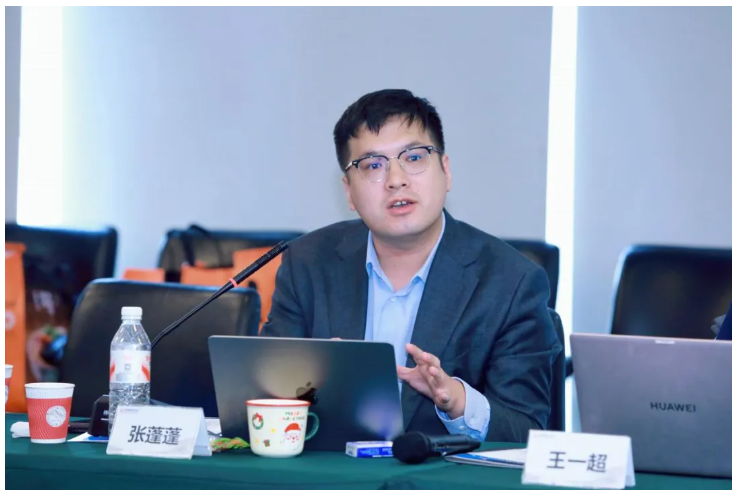
Drawing on his experience working in the procuratorate, Attorney Zhang Pengpeng shared insights on the challenges of attributing liability in cases involving concurrent negligence by multiple parties. He analyzed the practical implications of the old and new theories of negligence in China’s judicial practice and proposed that theoretical tools—such as the possibility of avoiding harmful consequences and the principle of reliance—should be fully utilized to provide a theoretical toolkit for case handling and criminal defense.
Concluding Remarks
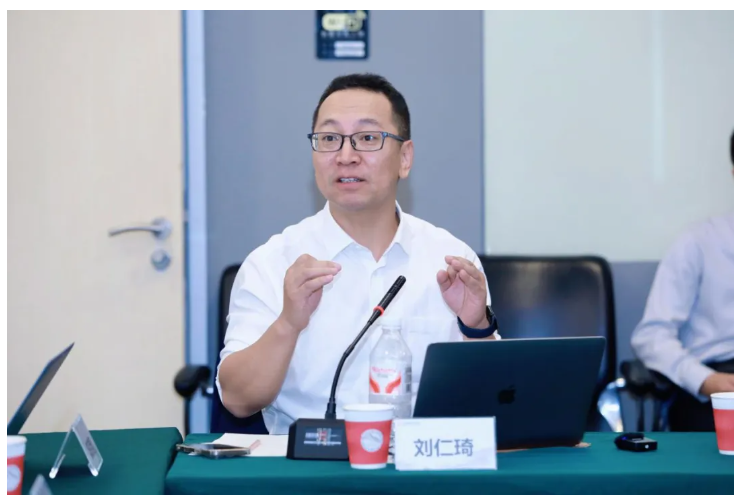
Professor Liu Renqi, Dean of the School of Public Security at Northwest University of Political Science and Law, delivered the concluding remarks for the roundtable forum. He fully affirmed the value of this joint university-law firm symposium and, drawing on the current status of postdoctoral and doctoral student training at the university, introduced the training models for faculty postdoctoral fellows and specialized legal doctoral students in politics and law.
Liu Renqi pointed out that in handling cases involving major liability accidents, proving subjective elements and determining the degree of causation are prominent challenges in judicial practice; it is essential to emphasize the use of circumstantial evidence and rules of thumb, and to apply presumption rules with caution. He expressed his hope that both parties would continue to deepen their cooperation, fully leverage the practical platform advantages of Beijing King&Capital Law Firm, and closely integrate the firm’s mechanism for discussing complex cases with the university’s doctoral and postdoctoral research efforts, thereby achieving mutual enrichment between theoretical research and legal practice.
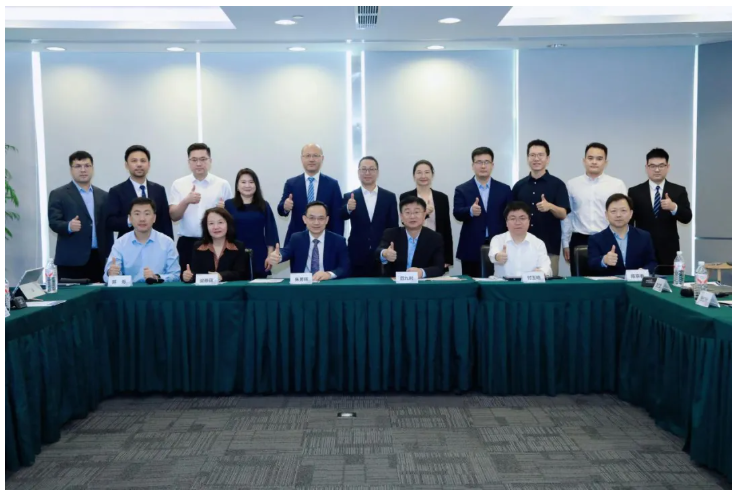
This forum was the first academic roundtable event held following the unveiling of the Postdoctoral Studio and Doctoral Innovation Practice Base jointly established by Northwest University of Political Science and Law and Beijing King&Capital Law Firm. It successfully facilitated a four-way dialogue among legal experts and scholars, young doctoral candidates and postdoctoral researchers, judicial practitioners, and criminal defense attorneys. The event not only yielded numerous practical research perspectives on the crime of causing a major liability accident but also further clarified the future development direction of the base in terms of talent cultivation, academic research, and practical collaboration, thereby accumulating valuable practical experience for the university and the law firm to jointly cultivate high-level legal professionals.