

In recent years, regulatory and judicial authorities have maintained a “zero-tolerance” stance toward securities and futures violations and crimes. Relevant regulations and policies have been successively implemented, and a three-pronged accountability system—comprising administrative, criminal, and civil measures—has gradually taken shape. Consequently, the challenges associated with both the prosecution and defense of securities crime cases have increased. Against this backdrop, from October 30 to November 1, 2026, Peking University School of Law hosted an Advanced Training Program on Financial Security and the Prosecution of Securities Crimes. The program invited top domestic experts in criminal law and financial law, as well as seasoned practitioners, to co-teach a curriculum structured around four modules: “Prosecution, Defense, Judiciary, and Academia.” At the invitation of the organizers, Attorney Zhang Qiming—Senior Partner at Beijing King&Capital Law Firm and Director of the King&Capital Research Center for Financial and Securities Criminal Defense—led a team consisting of Deputy Director Xu Ming, also a partner at King&Capital Law Firm, and Attorney Dai Shengyun. The three were appointed as instructors to deliver lectures to the participants.
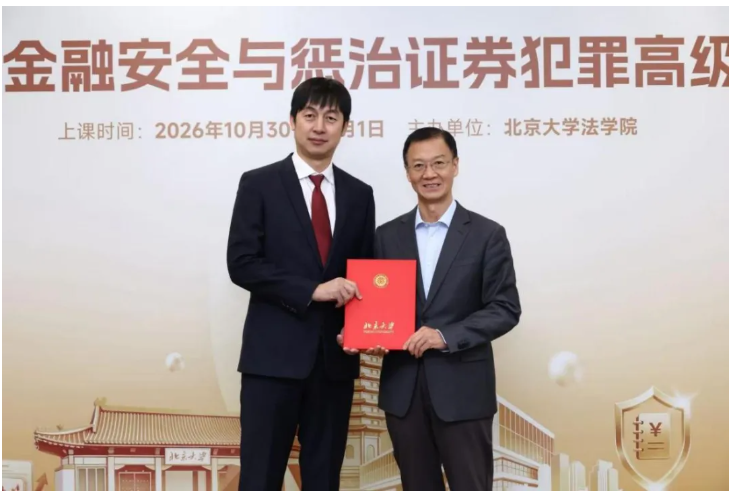
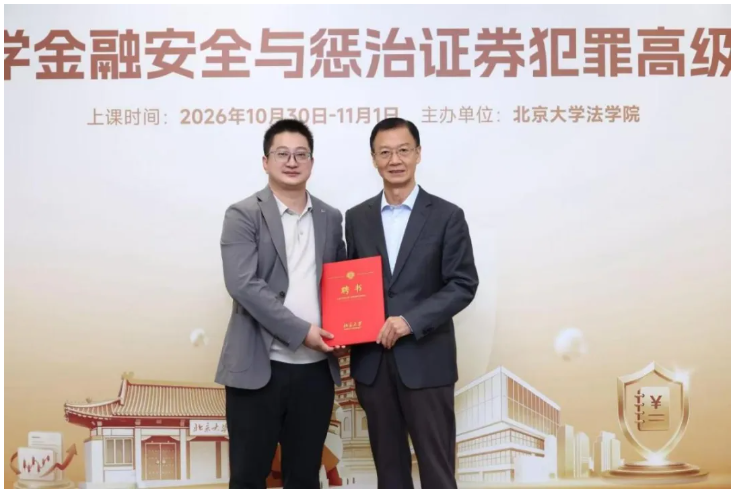
Professor Wang Xin—Ph.D. advisor at Peking University School of Law, Chair of the Degree Committee, and a renowned scholar in the field of finance and securities—presented letters of appointment to the three attorneys.

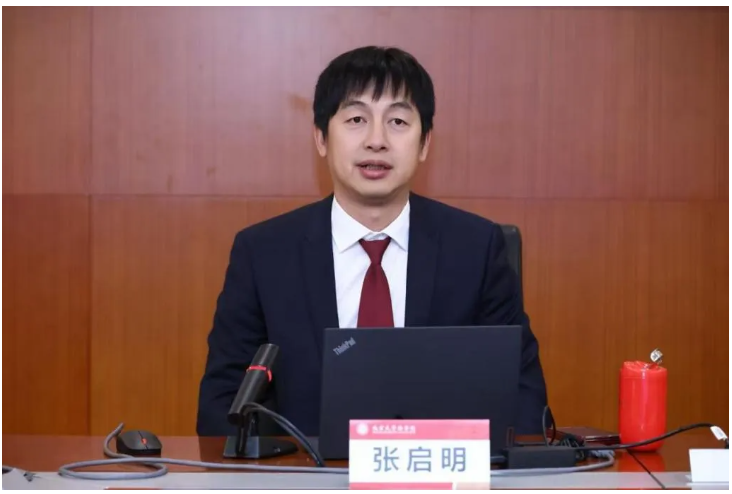
During the lectures, the three attorneys focused on the key charges in securities crimes and each presented on the key points of defense. Attorney Zhang Qiming began with an overview, systematically tracing the development of China’s securities market, analyzing the latest regulatory landscape and enforcement trends, summarizing the characteristics of securities crimes, and offering recommendations on the knowledge structure and mindset required for defending such cases. Building on this foundation, Attorney Zhang Qiming drew upon cases handled by his team to detail a new methodological framework for defending against insider trading charges that goes beyond traditional defense strategies: using a meticulous approach to refute allegations of contact and communication; employing data modeling to analyze trading anomalies; applying a temporal-spatial comparison method to determine the timing of insider information formation; and utilizing detailed comparisons of electronic data to refute charges of joint insider trading. The comprehensive application of these methods has enabled defense strategies to transcend the narrow framework centered on traditional points of contention, offering significant insights for defending insider trading cases.
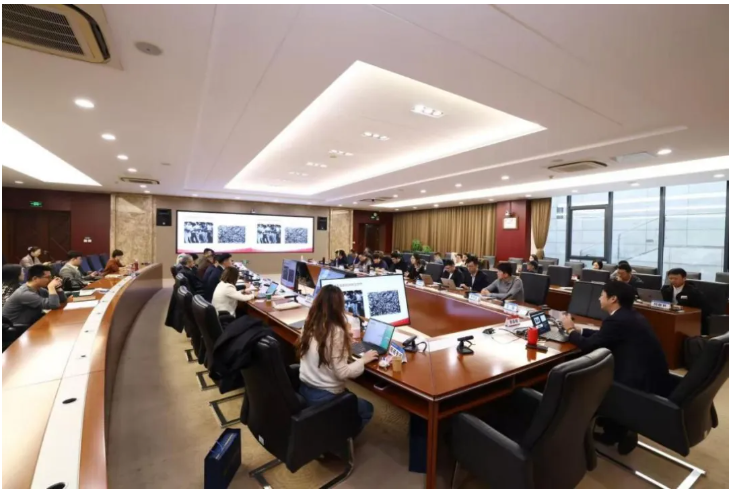
Attorney Dai Shengyun provided a detailed account of the key points in reviewing evidence for insider trading acquittal cases, as well as the determination and defense strategies for the crime of unlawful disclosure or failure to disclose material information. He shared his experience in handling cases resulting in acquittals for insider trading, illustrating the process of reconstructing the facts of the case using objective evidence such as communication records, fund transfers, MAC addresses, and IP addresses. Regarding the offense of unlawful disclosure or failure to disclose material information, Attorney Dai Shengyun drew upon his professional background in auditing to systematically outline the main types and methods of financial fraud—including revenue fraud and fund fraud—and analyzed the mechanisms underlying such crimes in light of accounting standards. Building on this foundation, he returned to the topics of criminal determination and defense, sharing key defense strategies regarding the application of prosecution standards, the proof of subjective intent, and the coordination between criminal and administrative penalties, thereby demonstrating the interdisciplinary nature of financial auditing and criminal law.

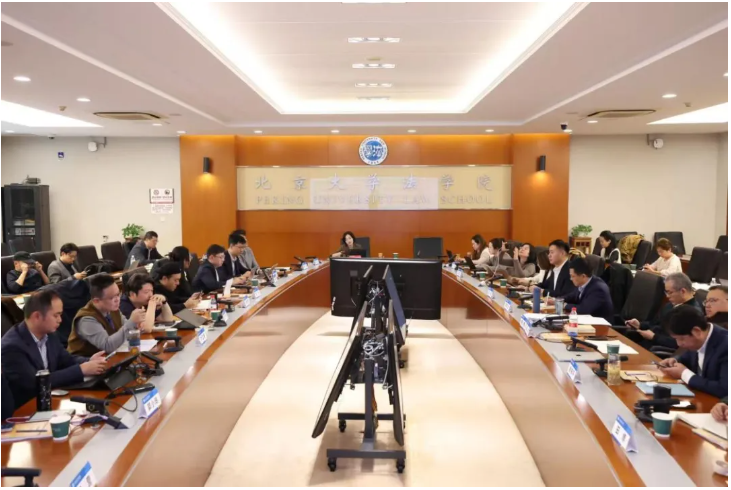
Attorney Xu Ming lectured on the determination and defense strategies for the crimes of breach of trust causing harm to the interests of a listed company and securities market manipulation. In the section on the crime of breach of trust causing harm to the interests of a listed company, he centered his discussion on a case of acquittal for breach of trust—which his team handled and which was selected for inclusion in *Criminal Trial Reference* and the People’s Court Case Database—to systematically elaborate on key defense points regarding breach of trust crimes, focusing on their legal framework, points of contention, and application challenges. Regarding the crime of manipulating the securities market, Attorney Xu Ming distinguished between several types of manipulative conduct. He also addressed practical challenges such as the distinction between market manipulation and insider trading, the calculation of illicit gains, the identification of accounts belonging to actual controllers, and the tiered allocation of liability among participants in joint criminal activities—including investors, margin lenders, and traders. His presentation was both in-depth yet accessible, delivered with wit and humor, leaving a deep impression on all attendees.

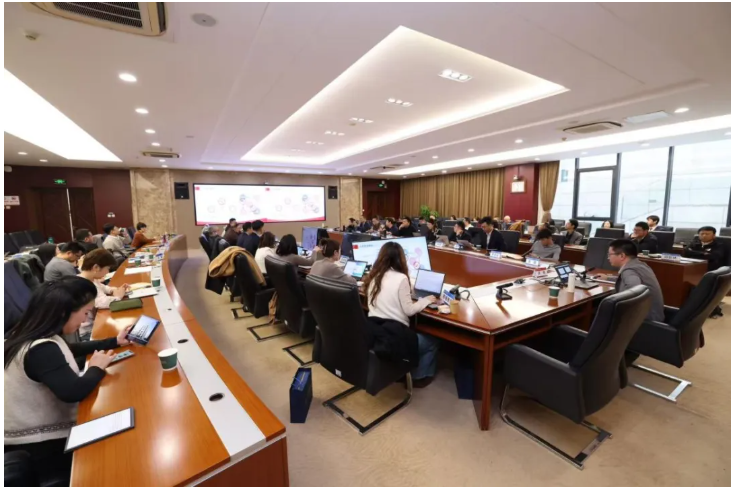
The three attorneys’ presentations featured a clear division of labor and a comprehensive framework, covering key offenses in the realm of securities crimes. The content was drawn from their practical case handling experience, and the more than ten securities crime cases cited were major cases the team had actually handled in recent years—including those resulting in acquittals or reduced charges, as well as cases selected for inclusion in the *Criminal Trial Reference* or the Supreme People’s Court’s case database.