

In recent years, curbing the malicious trademark registration has become the main goal of China's trademark law practice, but how to balance the malicious behavior and legitimate behavior, reasonably safeguard the legitimate rights and interests of trademark applicants and users, and how to improve the balance of rights mechanism in the process of the determination of malicious trademark registration are issues of concern to the legal community. Based on this, a seminar on “Consideration of Balance of Rights in the Determination of Trademark Malicious Squatting” under the guidance of China Trademark Association, sponsored by Academic Committee of Typical Cases of China Trademark Association, and undertaken by King&Capital Law Firm, was held in the afternoon of December 29, 2025 at King&Capital Law Firm.
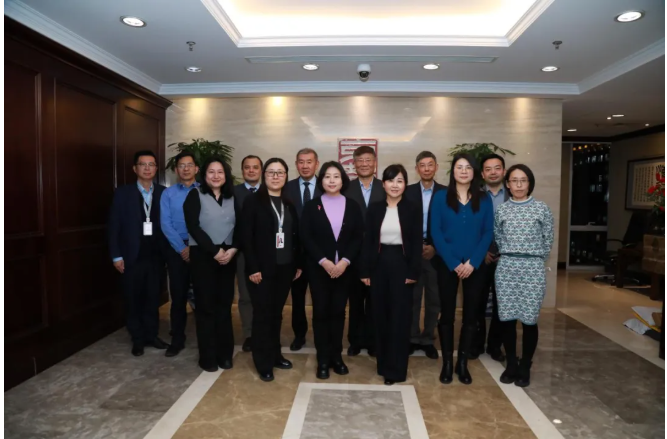
Mr. Huang Yajun, Senior Partner of King&Capital Law Firm, presided over the seminar, while Mr. Chu Changzhi, Managing Partner and CEO of King&Capital Law Firm, and Mr. Ma Fu, President of Chinese Trademark Association, delivered speeches respectively.

Huang Yajun
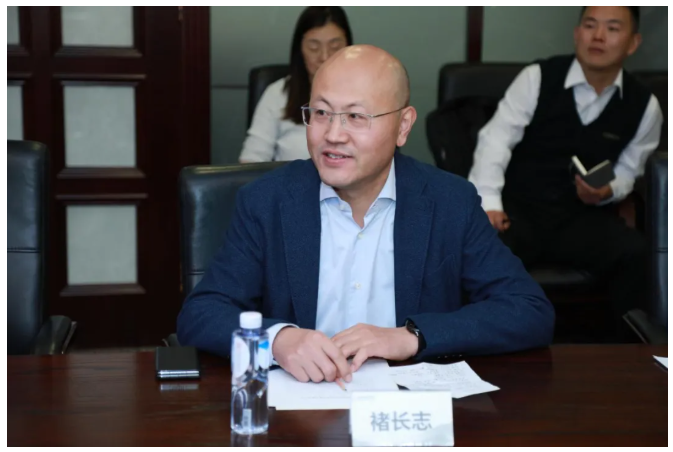
Chu Changzhi
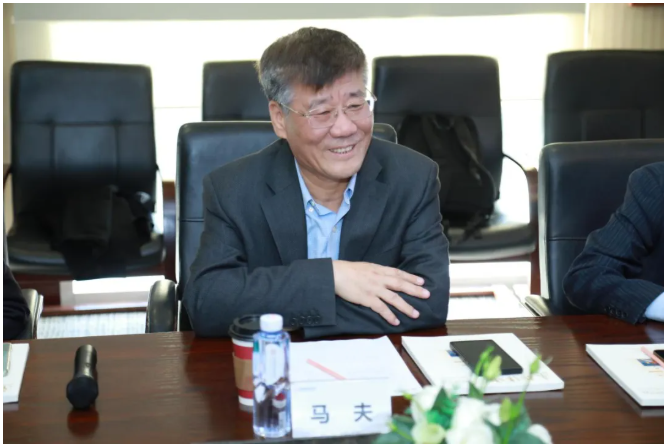 Ma Fu
Ma Fu
Ma Yide, Chair Professor of the School of Public Administration and Intellectual Property of the University of Chinese Academy of Sciences and Director of the Research Center of Science, Technology and Law, proposed that the issue of malicious trademark registration is a comprehensive issue, which can never be regulated by the trademark law alone, and that “malicious trademark registration” has a subjective unlawful purpose and objectively malicious behaviors, which needs to be governed by a comprehensive system of the society. He also said that the Trademark Law is a comprehensive issue. He also said that the Trademark Law is currently in the reconstruction stage, to test whether the laws and regulations are “good” and “whether they work”, practitioners need to speak out and propose amendments.
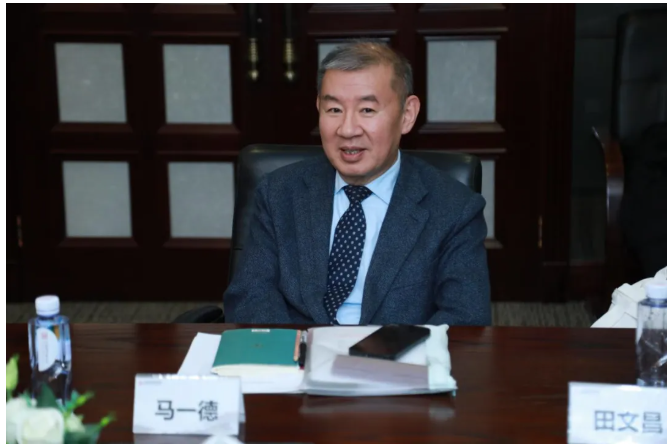
Ma Yide
Mr. Shen Chunxiang, Vice President of China Trademark Association, Director of Academic Committee of Typical Cases of China Trademark Association and Senior Partner of Yongxin Intellectual Property, introduced the background of the topic and relevant cases, and took the trademark case of “Hualing” and “Cai Cai Cat” as examples to discuss the issue of “fruit of the poisonous tree”. The trademark cases of “Hualing” and “Cai Cai Cat” were used as examples to discuss the exceptions to the “fruit of the poisonous tree”.
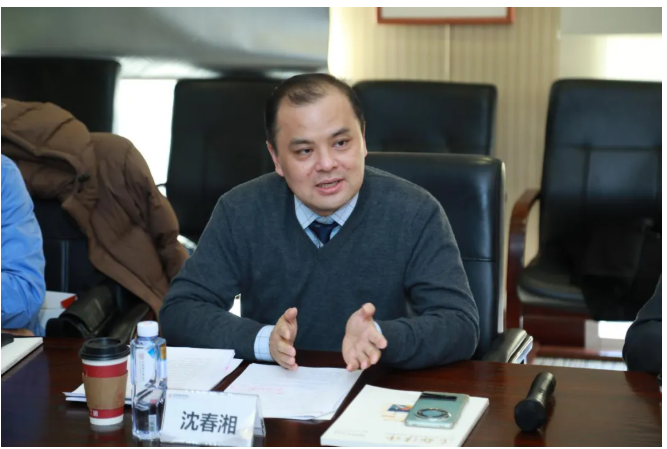
Shen Chunxiang
Mr. Yu Yamin, Partner of King&Capital Law Firm, introduced the topic and shared the cases of “the original registrant has no bad faith and the assignee has bad faith” and “the original registrant has bad faith and the assignee has no bad faith”.
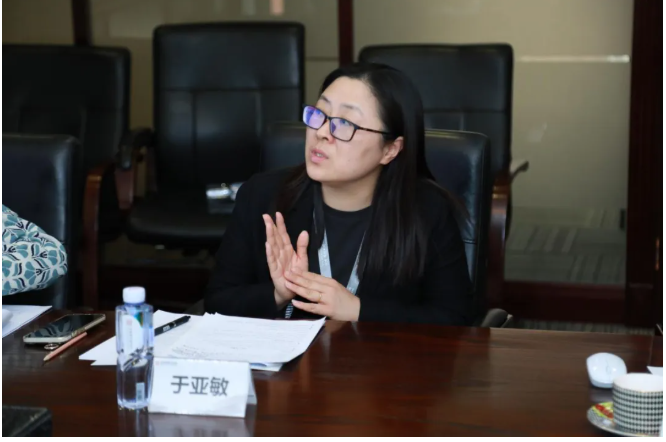
Yu Yamin
In the seminar, Mr. Zhong Hongbo, founding partner and deputy general manager of Beijing Law Alliance Intellectual Property Agency Co., Ltd. took the example of “good fruit and poisonous fruit” and argued that “the goodness and badness of the final behavior of the market” should be taken as the evaluation criterion in order to fight against the malicious registration behaviors.
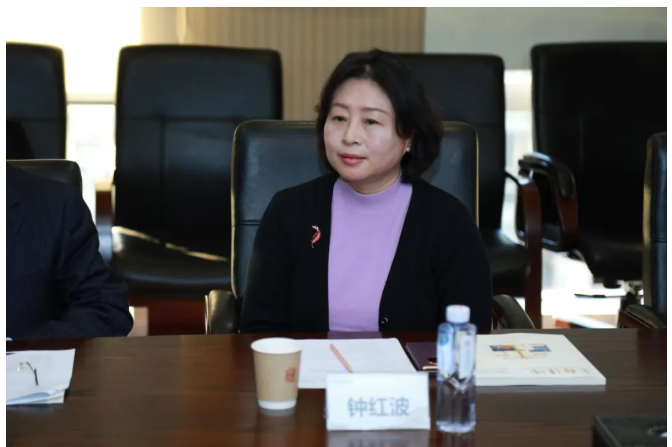
Zhong Hongbo
Mr. Zhang Hong, Senior Partner and Deputy General Manager of Beijing Zhengli Intellectual Property Agency Co., Ltd. believes that to solve the balance of rights in the determination of malicious squatting, it is necessary to solve the balance between the private right of trademarks and the management of trademarks, the balance between the protection of the act of trademark registration and the protection of the act of trademark use, as well as the balance between the treatment of the symptoms and the treatment of the root causes of the management of trademarks.
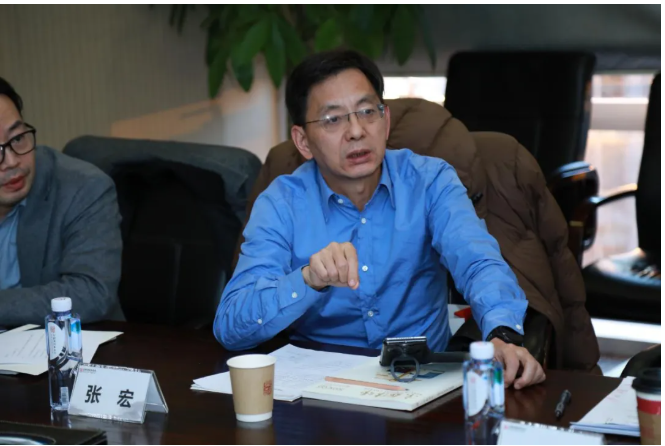
Zhang Hong
Liao Fei, Partner of King & Wood Mallesons, combined with actual cases, raised the issues of over-protection of famous brands, over-enforcement in specific cases, whether trademarks under the name of the same applicant should be recognized as being in bad faith, and the mandatory transfer of trademarks registered in bad faith by agents and representatives in the newly revised draft Trademark Law.
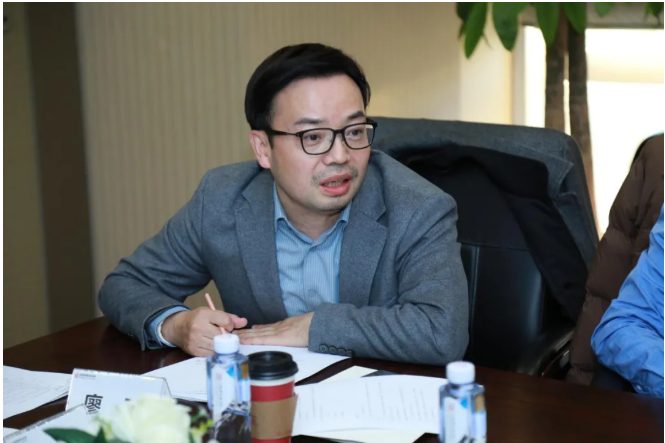
Liao Fei
During the period, King&Capital Law Firm's Yu Yamin, Liu Xiaojuan, Han Libin and Wang Yao, a cadre of the Chinese Trademark Association, raised the issues of coexistence agreement, the determination of “fruit of the poisonous tree”, and the civil infringement litigation of malicious hoarding, etc., which were discussed on the spot.
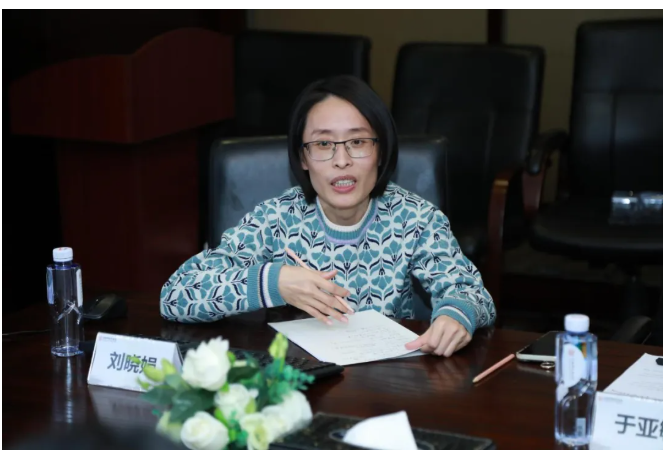
Liu Xiaojuan
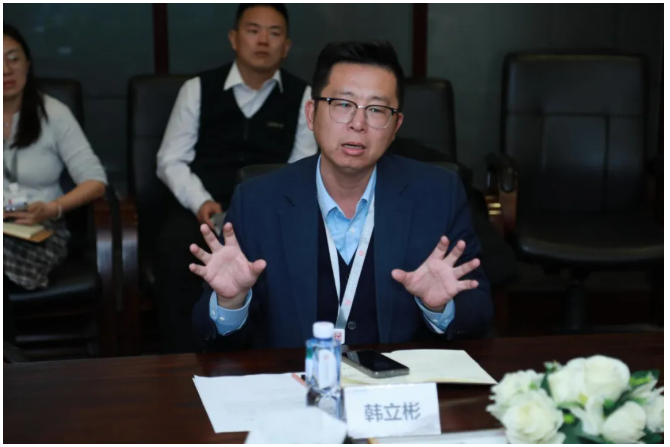
Han Libin
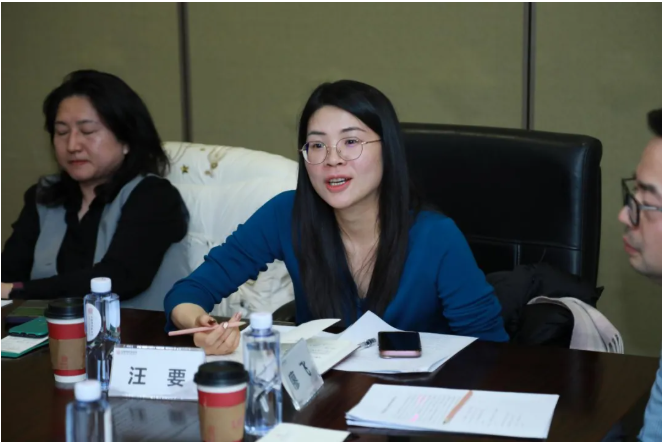
Wang Yao
Finally, Ma Hao, former director of CCPIT Patent and Trademark Office and chairman of IPR Professional Committee of CCPIT Mediation Center, made a concluding speech on the seminar, proposing a group effort to summarize the rules on the circumstances and determination of malicious registration.
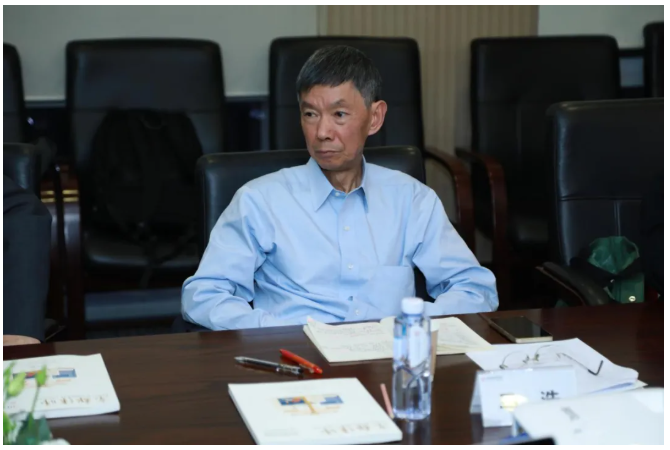
Ma Hao