

On April 2, the seminar titled “How to Persuade the Arbitral Tribunal: Evidence and Expert Opinions in Energy Arbitration,” which also served as the first session of the CIETAC International Energy Industry Group’s 2026 seminar series, was successfully held in Beijing. As the organizer of this event, King&Capital Law Firm provided strong support to ensure its success.
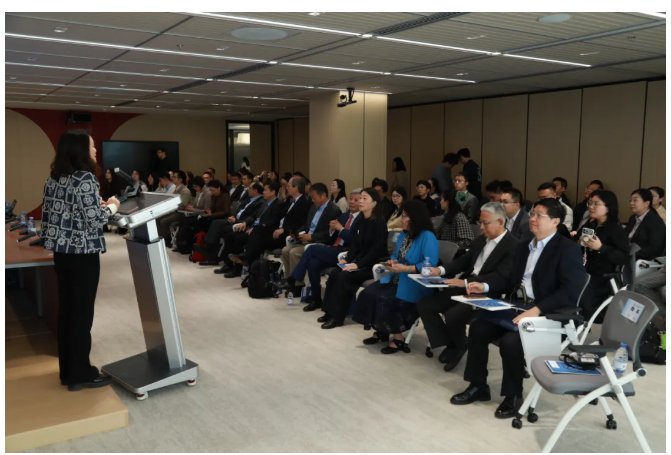
The event brought together experts from the energy and legal sectors as well as industry guests to focus on cutting-edge practical issues in international energy arbitration, aiming to establish a professional and pragmatic platform for the efficient resolution of international energy disputes. The seminar was moderated by Lu Fei, Director of the Business Development Department of the China International Economic and Trade Arbitration Commission (CIETAC) and Secretary-General of the European Centre for Arbitration. Zhang Libin, Senior Partner at King&Capital Law Firm and Arbitrator at CIETAC, was invited as the keynote speaker and roundtable moderator, leading the practical discussions.
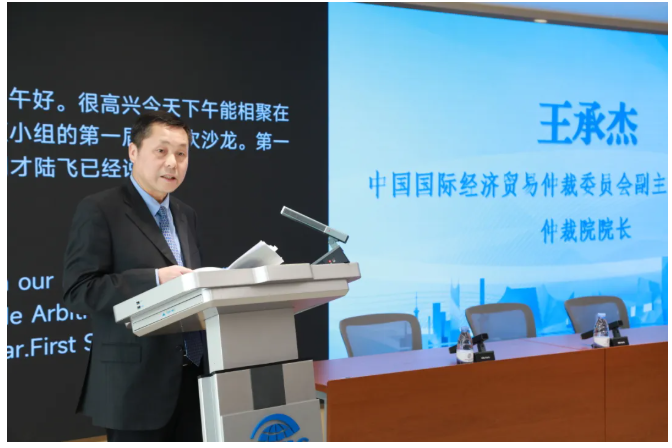
At the outset of the meeting, Wang Chengjie, Vice Chairman and Secretary-General of the China International Economic and Trade Arbitration Commission (CIETAC) and President of the Arbitration Court, delivered opening remarks. He emphasized that energy, as a vital strategic resource for the nation, is subject to frequent cross-border disputes that are complex and specialized. In recent years, CIETAC has seen rapid growth in the number of energy arbitration cases it handles, which are highly international in nature and cover the entire industrial chain. According to the report, CIETAC has continuously refined its arbitration rules, detailed its evidence guidelines, established a global team of professional arbitrators, and deepened international cooperation and practical research in recent years. He stated that in the face of adjustments to the global energy landscape, CIETAC will continue to leverage its role as a professional platform, safeguard international energy cooperation through efficient arbitration services, and contribute to the “Belt and Road” initiative and global energy governance.
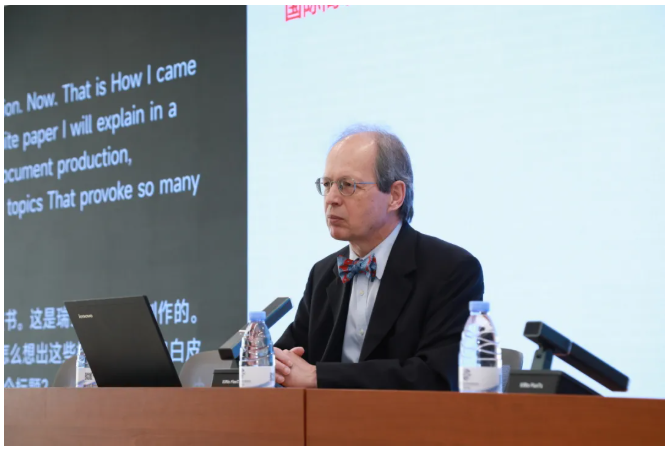
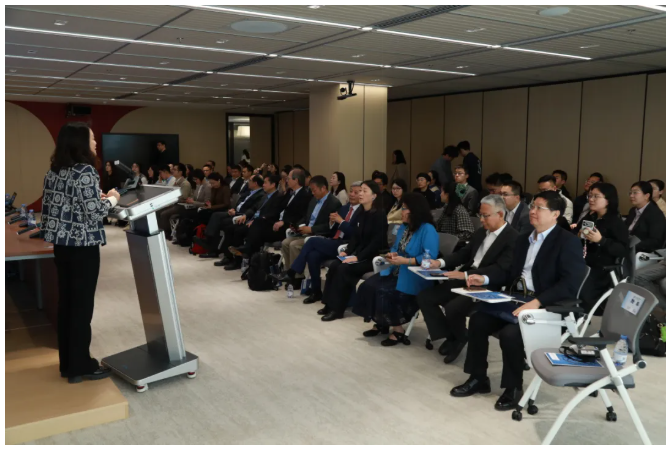
During the expert session, Dr. Felix Dasser, Honorary President of the Swiss Arbitration Association, conducted an in-depth discussion on document production in international commercial arbitration. He pointed out that there are significant cultural differences in evidentiary philosophy between common law and civil law systems: the former emphasizes transparent disclosure, while the latter prioritizes efficiency and the burden of proof on the parties, which often leads to procedural disputes and cost burdens. He also introduced various rule frameworks, including the IBA Rules of Evidence and relevant guidelines from the Swiss Arbitration Association. Drawing on practical cases in energy, finance, and wind power projects, he emphasized that arbitral tribunals should strictly apply the “necessity” standard to reasonably limit excessive disclosure. From a practical perspective, he encouraged arbitration institutions to optimize their procedural rules to achieve more efficient and cost-effective cross-border dispute resolution.
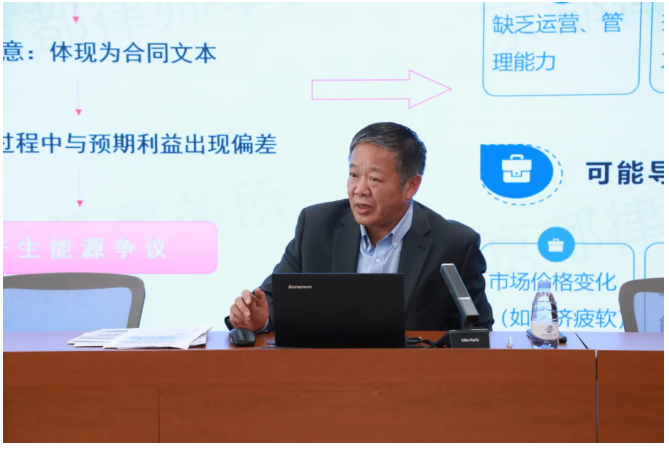
Zhang Libin, Arbitrator at the China International Economic and Trade Arbitration Commission and Senior Partner at King&Capital Law Firm, shared practical insights on three core aspects of energy arbitration: evidence preparation, post-arbitration use of evidence, and cross-examination of witnesses. He noted that energy disputes often stem from contractual discrepancies, market fluctuations, and external influences, and that evidence preparation must focus on core issues and ensure authenticity and relevance. He also compared the differences between international and Chinese arbitration in terms of evidence submission and hearing styles, suggesting that procedures be optimized to enhance hearing efficiency.
The roundtable discussion was moderated by Attorney Zhang Libin. Several senior Chinese and international experts engaged in in-depth exchanges on the practical application of evidence, the witness system, and expert opinions in international arbitration, providing diverse insights and practical approaches for the effective use of evidence and expert opinions in energy arbitration.
Feng Hui, Associate Professor at the School of Law, University of International Business and Economics, analyzed the applicable rules for taking oral evidence under the common law system in international arbitration and the pathways for cross-border assistance; Fei Jia, CIETAC arbitrator and International Partner at King & Wood Mallesons, drew on practical cases in the energy sector to emphasize the critical role of factual witness testimony and the importance of trial preparation and good-faith statements; Cui Jun, an arbitrator at CIETAC and Chairman of Beijing Overseas Junhe Engineering Consulting Co., Ltd., elaborated on the core requirements that expert witnesses must adhere to, focusing on the independence, professional ethics, and conflict of interest rules for expert witnesses, and referencing internationally recognized standards such as those of the International Bar Association (IBA); Gong Li, Partner at Ankerri Consulting (China), introduced the expert service models employed by international professional consulting firms in energy arbitration, proposing a balance between independence and client needs, as well as the selection of comprehensive multidisciplinary teams; Du Jiangbo, President of the Innovation Branch of the China Enterprise Evaluation Association and former General Counsel and Chief Compliance Officer of Sinopec Group, shared insights on the application of expert adjudication mechanisms in long-term contracts within the LNG industry and recommended that arbitration institutions establish standardized rules for expert adjudication; Dr. Felix Dasser noted from an international arbitration perspective that the credibility of witnesses and the neutrality of experts significantly impact case outcomes, and that models such as expert panels help enhance procedural efficiency.
In addition, participants engaged in in-depth discussions on practical issues including the legality of cross-border evidence gathering, the application of price adjustments and the doctrine of frustration of contract under English law in LNG contracts, the standard of proof in fraud cases, and the application and development trends of international discovery rules. Speakers provided expert insights based on judicial practice and industry experience, offering valuable guidance for the practical handling of international energy arbitration cases.
Grounded in international energy arbitration practice, this seminar brought together perspectives from China and abroad to forge professional consensus. King&Capital Law Firm participated throughout the event as a key supporting partner. The event not only provided an in-depth analysis of the core elements of evidentiary rules and expert opinions but also offered practical pathways for addressing complex cross-border energy disputes.