

Against the backdrop of the global energy transition and profound shifts in the geopolitical landscape, compliance risks associated with cross-border business operations have extended to multiple core areas, including data security, antitrust regulations, and trade controls. As a result, establishing a robust compliance framework has become an essential requirement for companies expanding overseas.
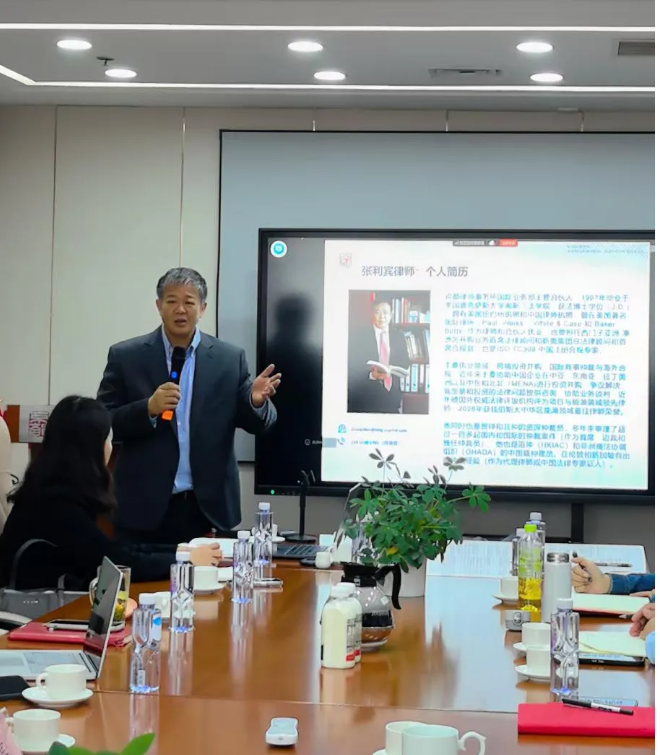
On March 30, the lecture series titled “Establishing Cross-Border Compliance Systems and Mitigating Risks,” jointly organized by Beijing King&Capital Law Firm and Beijing King&Capital (Shanghai) Law Firm, was held simultaneously at the main venue in Shanghai and a branch venue in Beijing. The session was led by Zhang Libin, a senior partner at King&Capital Law Firm.
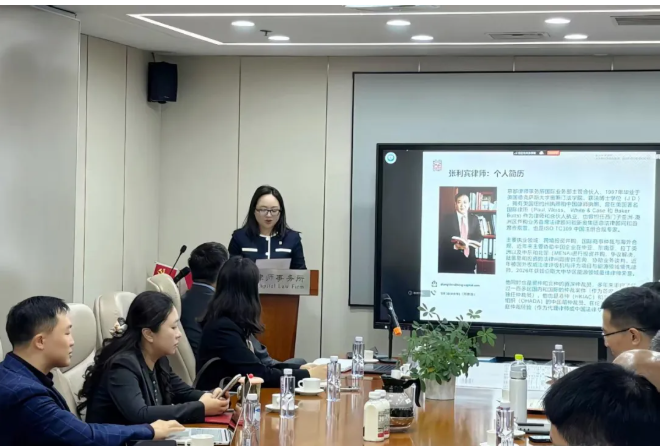
Centered on the core objective of “serving corporate practice and resolving cross-border compliance challenges,” this lecture closely addressed the practical needs of Chinese enterprises expanding overseas. Attorney Jiang Yongqian, a senior partner at King&Capital Law Firm’s Shanghai office and the moderator of this session, stated that amid the current headwinds facing globalization and increasingly stringent regulatory oversight, King&Capital Law Firm aims to establish a professional exchange platform through this lecture series to help enterprises strengthen their compliance defenses and navigate the international market with stability and resilience.
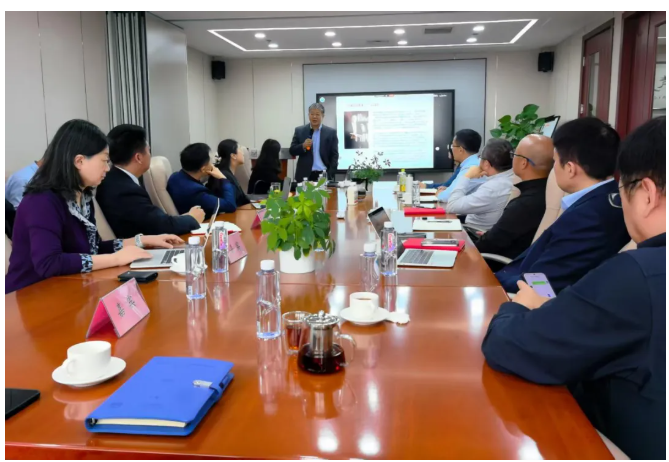
During the keynote presentation, Attorney Zhang Libin drew upon his over 25 years of experience practicing at international law firms and serving as General Counsel for multinational corporations. Leveraging his professional background in the adaptation of the ISO 37301 national standard and the drafting of the ISO 37302 standard, he provided an in-depth analysis across three key dimensions: the evolution of compliance principles, risk identification and control, and the practical implementation of compliance frameworks. Using classic case law such as Graham v. United States and Kammack v. United States as entry points, he traced the evolution of compliance management from “reactive response” to “proactive prevention and control.” He provided a detailed interpretation of the key application points of core cross-border compliance regulations, including the FCPA (Foreign Corrupt Practices Act), the UFLPA (Uyghur Forced Labor Prevention Act), and other core cross-border compliance regulations. Through real-world cases such as the Siemens corruption scandal, the Alstom case, and the Meng Wanzhou incident, he revealed the transmission pathways of compliance risks and the challenges of addressing them in a geopolitical context.
Addressing the practical concerns most relevant to enterprises, Attorney Zhang Libin proposed the core approach of “internalizing external regulations and integrating them into business operations,” emphasizing that the construction of compliance systems must closely align with the requirements of the ISO 37301/GB/T 35770-2022 standards and be implemented in a tiered manner based on the enterprise’s scale, industry characteristics, and target market features. He provided a detailed analysis of compliance control points throughout the entire cross-border business process: from preliminary due diligence on host country laws and SPV transaction structure design, to mid-phase contract stability clause formulation and third-party partner management, and finally to data, tax, and labor compliance during operations, offering concrete and actionable operational guidelines for each stage. Addressing the differing risks faced by state-owned and private enterprises when expanding overseas, he recommended mitigating geopolitical risks through measures such as “de-China-ization” of equity structures and the introduction of foreign investors, offering tailored solutions for enterprises of various types.
During the Q&A session, the audience actively raised questions on hot topics such as streamlining compliance frameworks for small and micro enterprises, resolving conflicts between multi-jurisdictional compliance requirements, and emergency response to compliance crises. Drawing on his experience in handling over a hundred international arbitration cases, Attorney Zhang Libin dissected the core of each issue and provided answers that were both professional and practical, fostering a lively atmosphere of exchange.
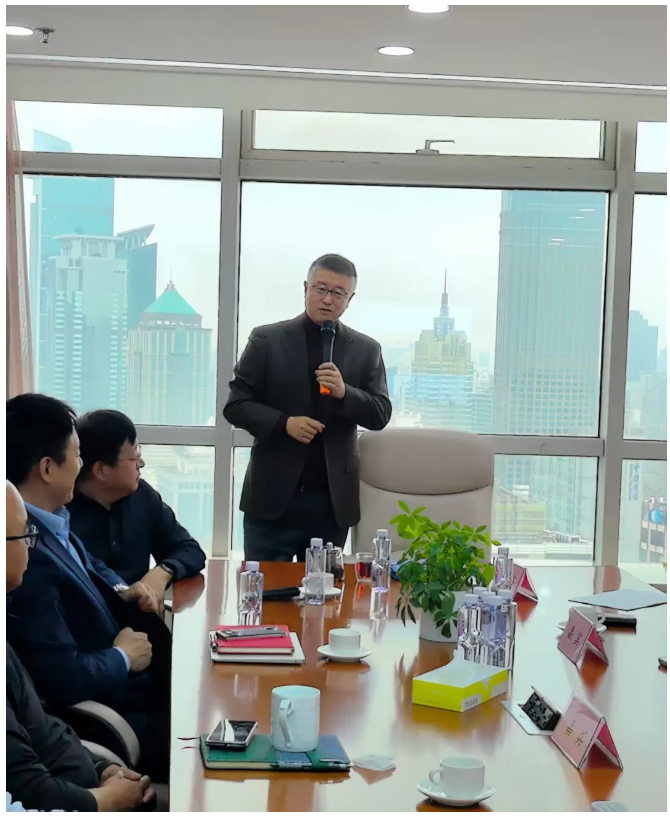
As a Chambers “Best Lawyer in Energy” for Greater China, Attorney Zhang Libin possesses not only a deep theoretical foundation in cross-border compliance but also extensive practical experience. This lecture offered both forward-looking insights into the trends of international compliance standards and precise warnings about common “pitfalls” for enterprises expanding overseas, providing attendees with a systematic and comprehensive cross-border compliance solution. At the conclusion of the lecture, Wang Zhong, Director of King&Capital Law Firm’s Shanghai office, delivered an insightful closing address.
Moving forward, King&Capital Law Firm will continue to focus on the core legal needs of enterprises engaged in cross-border operations, launching more high-quality professional seminars and legal service products. Leveraging a global professional perspective, deep industry expertise, and an efficient service team, the firm will safeguard Chinese enterprises as they “go global,” helping them operate in compliance with international regulations and achieve steady growth in the global market.
Translated with DeepL.com (free version)