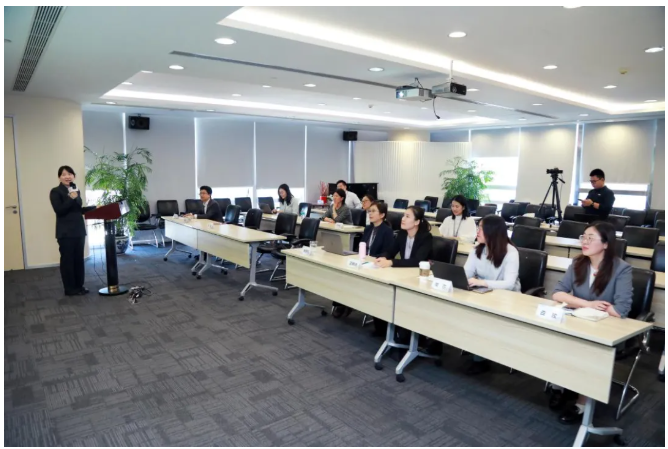

On the afternoon of April 29, 2026, in observance of World Intellectual Property Day (April 26), Beijing King&Capital Law Firm organized this special training series for dual-certified attorneys to help Chinese companies expanding overseas strengthen their intellectual property compliance defenses and address intellectual property protection challenges in cross-border operations. Led by the Antitrust Department and organized in collaboration with the Real Estate, Intellectual Property, and Civil & Commercial Departments, this training exemplified King&Capital Law Firm’s strengths in providing diversified, specialized, and team-oriented legal services.
The event focused on the theme “Overseas-Expanding Enterprises and Intellectual Property Protection,” featuring discussions on the core pain points, practical challenges, and compliance solutions related to intellectual property throughout the process of Chinese enterprises expanding overseas. The event featured five senior experts in international intellectual property and cross-border investment as keynote speakers. Drawing on legal perspectives from popular destinations for Chinese enterprises—including South Korea, Japan, and the United States—they discussed topics such as patent, trademark, and copyright protection, as well as strategies for addressing intellectual property risks on cross-border e-commerce platforms. Combining practical experience with real-world case studies, they shared professional insights and comprehensive risk prevention solutions. Additionally, five senior industry experts served as panelists for the event, engaging in in-depth discussions and providing professional insights alongside the keynote speakers.
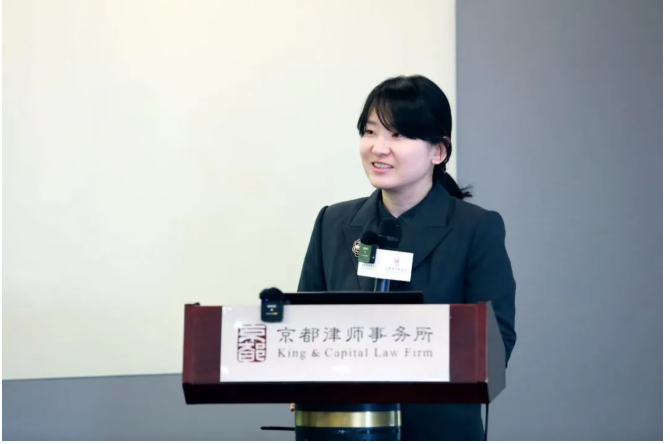
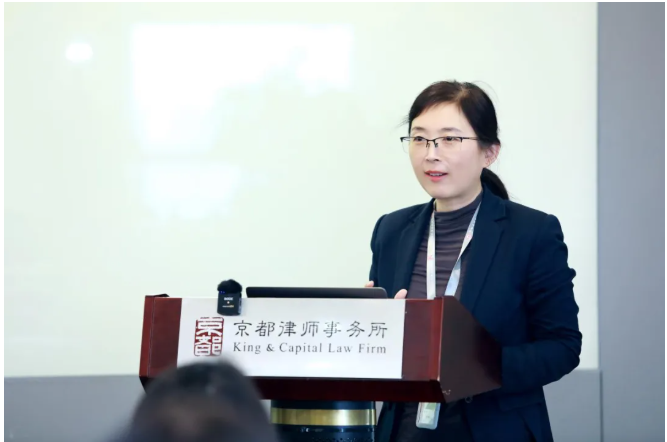
First, Ms. Cui Huilian, Partner at King&Capital Law Firm and Member of the Cross-Border Investment and M&A Law Committee of the Beijing Lawyers Association, delivered a keynote presentation titled “New Trends in South Korean Intellectual Property Judicial Practice.” Drawing on the latest trends in Chinese investment in South Korea, Ms. Cui systematically outlined South Korea’s intellectual property legal framework and judicial system. She provided an in-depth analysis of recent developments in judicial practice, including reforms of intellectual property agencies, amendments to patent and trademark laws, and optimizations of litigation procedures. By referencing real-world patent dispute cases and her practical experience serving South Korean enterprises, she offered actionable guidance for Chinese companies expanding into South Korea on how to strategically position their intellectual property and effectively manage risks.
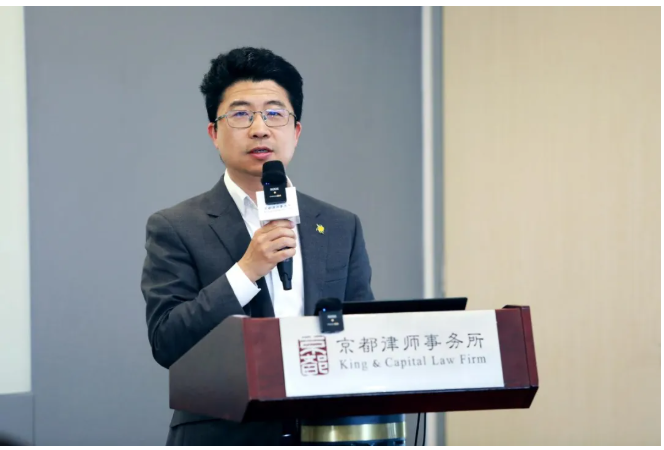
Attorney Jin Yi, Managing Partner of the Antitrust Department at King&Capital Law Firm and a recommended lawyer in the “Competition and Antitrust” practice areas by Chambers and Legal 500, delivered a commentary. Drawing on the experience of King&Capital Law Firm’s Korea Legal Team, Attorney Jin Yi noted that it is precisely through the team’s multidisciplinary expertise—combining “Korean language, law, and technology”—that they are able to help Chinese enterprises quickly familiarize themselves with the Korean legal environment and provide practical, actionable support in areas such as patent applications, risk assessment, and dispute resolution. Referring to his own experience handling the Samsung-Huawei standard-essential patent licensing dispute, he expressed a deep understanding of the complexity and importance of intellectual property protection in Sino-Korean economic and trade relations. King&Capital Law Firm offers one-stop legal services ranging from intellectual property, antitrust, and unfair competition to cross-border compliance, providing comprehensive professional support for enterprises in the intersection of “intellectual property and competition law.”
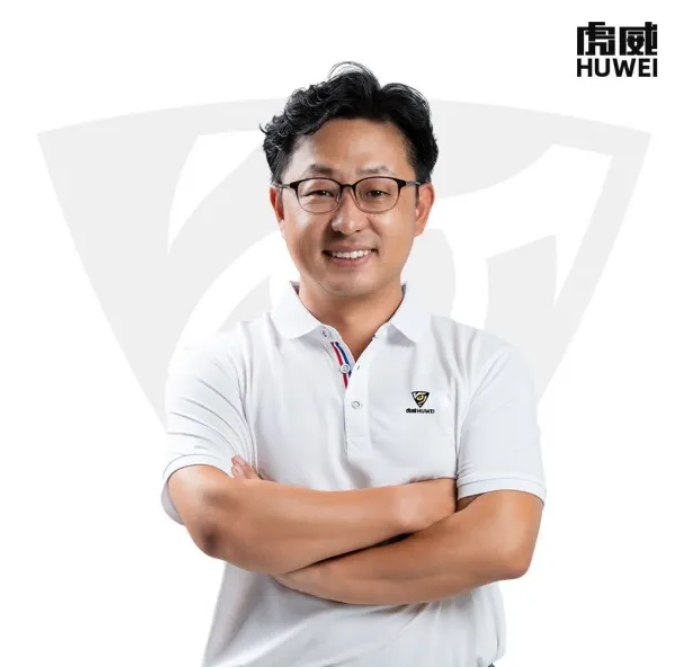
The second speaker was Mr. Li Yonghu, founder of Japan’s Tiger International Patent Office, who delivered an online keynote speech titled “Typical Cases and Insights on Intellectual Property Protection for Chinese Enterprises Expanding into Japan.” With over 20 years of practical experience in the field of Sino-Japanese intellectual property, Mr. Li provided a detailed overview of the application processes and core regulations for Japanese invention and design patents. Drawing on real-life cases he has personally handled, he conducted an in-depth analysis of common challenges faced by Chinese enterprises regarding IP protection in Japan and outlined corresponding strategies.
Ms. Song Yuehua, a partner at King&Capital Law Firm and former Senior Manager of Legal Affairs at a Fortune 500 multinational corporation, delivered closing remarks. She noted that Mr. Li Yonghu’s case studies were highly enlightening, particularly in terms of how to more efficiently plan and protect product patents, as well as how to utilize Japan’s accelerated application system to expedite examination processes in third countries and increase the likelihood of grant—offering significant practical value. She also spoke highly of Ms. Song, noting that her proficiency in Japanese and Korean enables her to provide more professional and efficient cross-border legal services to Chinese enterprises expanding overseas.
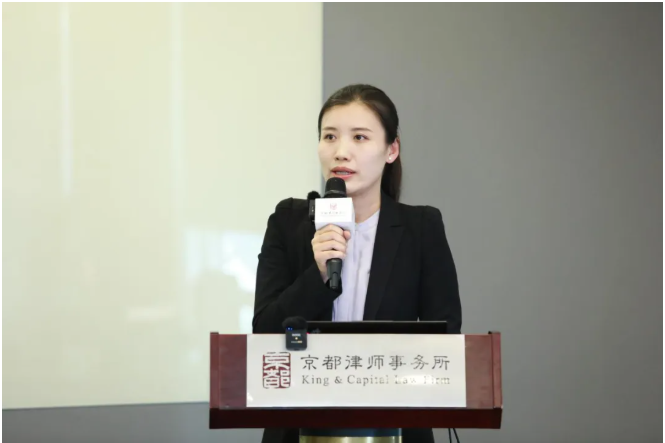
The third speaker was Ms. Wang Xiaoshi, a partner and patent attorney at King&Capital Law Firm and a member of the Public Interest Legal Services and Legal Aid Professional Committee of the Beijing Lawyers Association. She delivered a presentation titled “Common Intellectual Property Issues and Responses on Cross-Border E-Commerce Platforms.” Ms. Wang provided a systematic overview of the cross-border e-commerce industry, analyzed the three core characteristics of intellectual property and major types of infringement, and outlined the infringement determination standards and handling mechanisms of mainstream cross-border e-commerce platforms such as Amazon, AliExpress, and TikTok Shop. Addressing key cross-border risks such as temporary restraining orders (TROs) in the U.S. market and DMCA copyright rules, she offered practical solutions. She also outlined a three-step process for handling product takedowns following complaints and provided comprehensive intellectual property risk prevention and control recommendations for cross-border e-commerce enterprises.
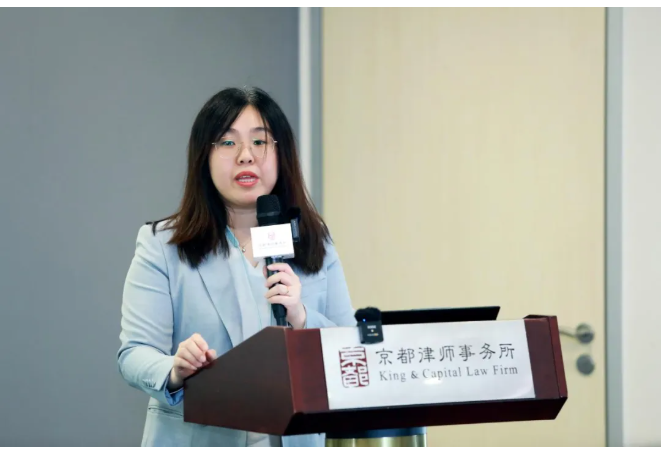
Attorney Chang Sha, a partner at King&Capital Law Firm and a member of the Beijing Lawyers Association’s Professional Committee on Culture, Tourism, Media, and Sports Law, delivered a commentary. Attorney Chang Sha analyzed each of the topics shared by Attorney Wang—including TROs, three typical cases, and response strategies—in detail. Taking into account the practical challenges faced by small and medium-sized cross-border e-commerce sellers, she proposed low-cost, actionable compliance recommendations: establishing a “blacklist of high-frequency infringement keywords, image libraries, and design features.” She further explained that companies can compile a list of other brands’ names within their product categories, copyright-risk-prone viral images, and product design features involved in patent disputes. By cross-checking these against their own products before listing new items, companies can reduce infringement risks at the source.
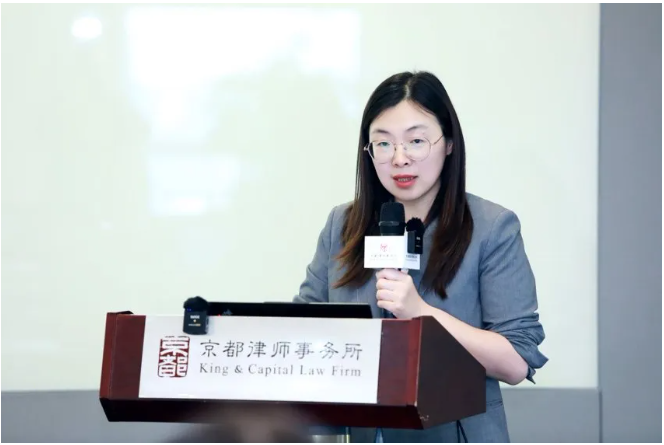
The fourth speaker was Attorney Bai Mei, a lawyer at King&Capital Law Firm and a Gold-Level Trademark Agent with the China Trademark Association, who delivered a presentation titled “Cross-Border Trademark Protection.” With two decades of experience in international trademark legal services, Attorney Bai Mei systematically reviewed the current state of trademark strategy for Chinese brands expanding overseas. She provided an in-depth analysis of the strengths and weaknesses of the three mainstream cross-border trademark registration pathways and detailed the four typical types of overseas trademark squatting. Drawing on the practical case of the Yezhu trademark being squatted overseas, she comprehensively dissected the strategies for enforcing rights after trademark squatting, covering the entire process from preemptive planning and risk prevention to post-incident response. This provided clear and practical professional guidance for the global trademark strategy and brand protection of enterprises expanding overseas.
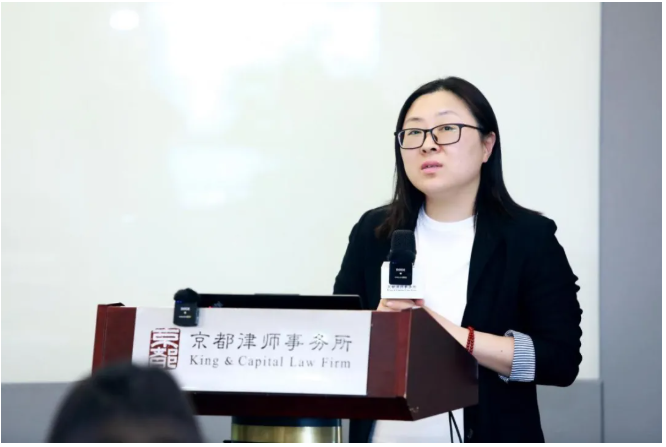
Attorney Yu Yamin, Partner at King&Capital Law Firm and Mediator at the People’s Mediation Committee for Intellectual Property Disputes under the China Trademark Association, delivered a commentary. Attorney Yu Yamin and Attorney Bai Mei’s team have long specialized in trademark litigation and non-litigation matters, possessing extensive practical experience. She stated that for enterprises expanding overseas, prioritizing overseas trademark registration and establishing a brand protection firewall is the most effective protection strategy. At the same time, the long-term accumulation and retention of evidence of trademark use serve as a crucial foundation for enterprises to enforce their trademark rights and address malicious squatting, and this requires high priority. Enterprises can also leverage expert support from overseas intellectual property dispute response guidance centers in various regions, as well as protection mechanisms provided by e-commerce platforms, to strengthen cross-border brand protection. The Intellectual Property Team at King&Capital Law Firm will continue to dedicate its efforts to providing high-quality legal services and safeguards for Chinese enterprises expanding overseas.
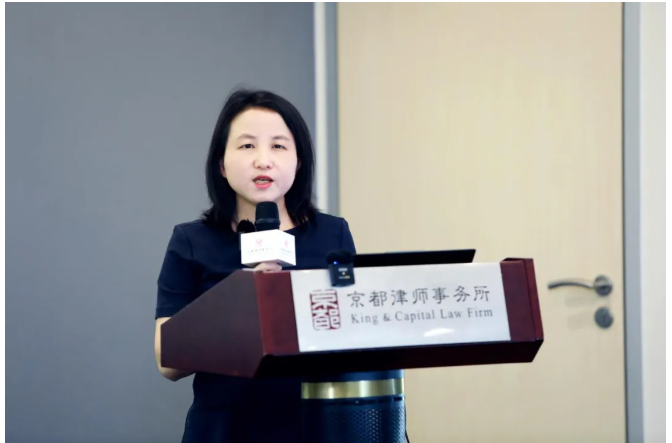
The fifth speaker was Ms. Suo Yi, a technical expert at the Beijing office of the U.S.-based law firm Hohman & Co. and a Chinese patent agent, who delivered a presentation titled “Overseas Intellectual Property Risks and Management.” Ms. Suo Yi has 23 years of experience in the patent field and previously served at the Patent Office of the China National Intellectual Property Administration for nearly 10 years. In her presentation, she focused on intellectual property management for enterprises expanding overseas. She analyzed potential intellectual property risks across the entire product lifecycle—from R&D to production and sales—and provided a detailed explanation of the core logic behind Freedom-to-Operate (FTO) analysis. She also highlighted the significance of establishing risk assessment mechanisms and outlined corresponding solutions, while elaborating on practical considerations for overseas patent strategy and intellectual property management. Her presentation offered practical and professional guidance for enterprises seeking to ensure cross-border intellectual property compliance.
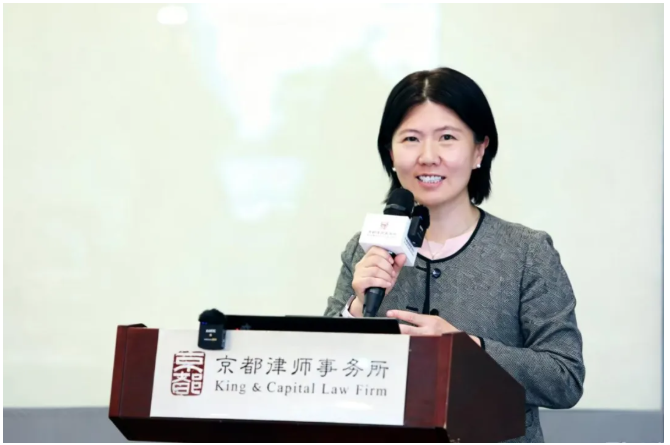
Attorney Jin Fenghua, a lawyer and patent agent at King&Capital Law Firm and a member of the Patent Law Professional Committee of the Beijing Lawyers Association, delivered closing remarks. She began by expressing gratitude to her Japanese and American colleagues, as well as to all departments within the firm, for their support and assistance, noting that the event’s success was made possible by this collective effort. She announced that King&Capital Law Firm has recently been successfully registered with the Korean Intellectual Property Office, enabling the firm to provide professional intellectual property services to Korean enterprises. She, along with Attorneys Cui and Song, are all lawyers of Korean descent. The firm has a dedicated team of lawyers in Seoul capable of providing clients with comprehensive legal services ranging from investment and establishment in South Korea to intellectual property strategy. In addition to its South Korean practice, the team offers the advantage of bilingual (Japanese and English) services, enabling deep collaboration with overseas agencies in the United States, Japan, and South Korea to provide clients with one-stop, high-quality cross-border intellectual property services.
Attorney Jin Fenghua noted that when expanding overseas, companies should prioritize intellectual property planning. Patent strategies should be established at least three years in advance, while trademarks and design patents require planning one to two years ahead. Freedom-to-Operate (FTO) reports, Section 337 investigations, as well as intellectual property complaints and product takedowns on overseas e-commerce platforms, are typical intellectual property barriers faced by Chinese companies expanding abroad. Many companies have incurred costs and encountered setbacks in this process, but they have also gained valuable experience: when facing intellectual property disputes, they should choose between settlement or actively defending their case based on actual circumstances. She also introduced the characteristics of the U.S. patent system: the U.S. does not have utility model patents, but it does have plant patents; design patents undergo substantive examination, which has a relatively long review cycle, but once granted, protection is obtained by paying a single grant fee. Furthermore, starting in July 2025, the USPTO will introduce AI technology into its examination process to conduct prior art searches for designs, making it even more difficult to obtain authorization for repetitive or similar designs in the future. Regarding grant rates, the U.S. invention patent grant rate exceeds 70%, which is higher than China’s current rate of approximately 60%. For companies planning to file patents in multiple countries, the PCT route should be prioritized, as it extends the priority period from the 12 months under the Paris Convention to over 30 months. Attorney Jin Fenghua recommends that companies expanding overseas formulate patent portfolio strategies based on specific technological characteristics, while leveraging the collaborative efforts of Chinese and foreign attorneys to provide professional and efficient intellectual property services that support their global development.
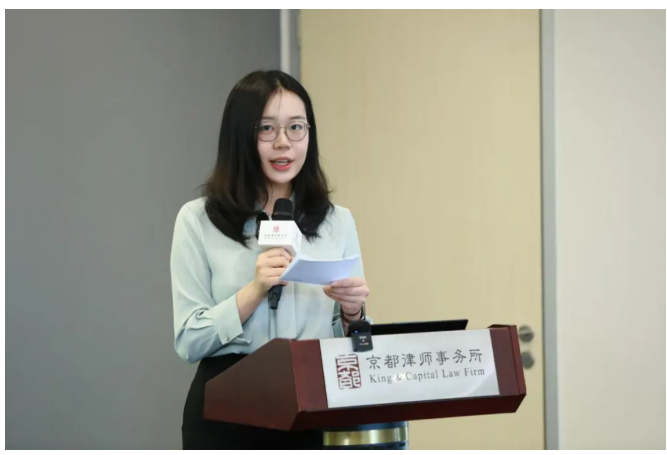
This training session was organized through cross-departmental collaboration among the Antitrust, Real Estate, Intellectual Property, and Civil & Commercial Departments, showcasing King&Capital Law Firm’s strengths in diversity, specialization, and integrated teamwork. Cross-departmental training and routine cross-departmental case handling are also hallmarks of King&Capital Law Firm’s team-oriented development.
The training session was hosted by Huang Keying of the Antitrust Department.