

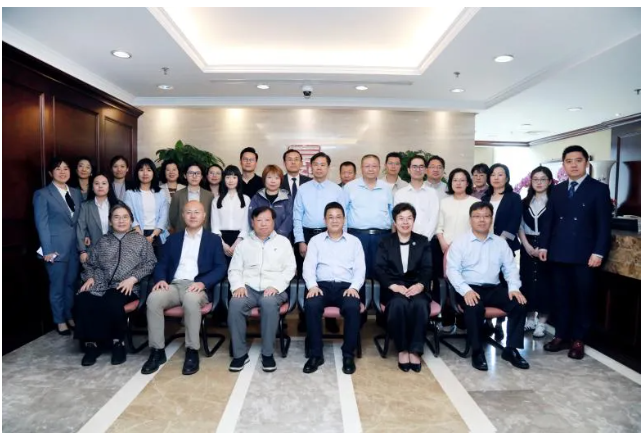
To effectively address practical legal challenges in the field of urban renewal and conduct in-depth discussions on complex legal issues in the real estate industry, the seminar titled “Urban Renewal and Complex Issues in Real Estate Cases,” jointly organized by the Beijing Real Estate Law Society and Beijing King&Capital Law Firm, was successfully concluded on the afternoon of May 22, 2026. The event was streamed live online throughout and completed all agenda items without a hitch.
At the outset of the event, the session was moderated by Attorney Chang Sha, a partner at King&Capital Law Firm. The moderator provided a systematic overview of the seminar’s core topics, the attending guests, and the overall agenda.
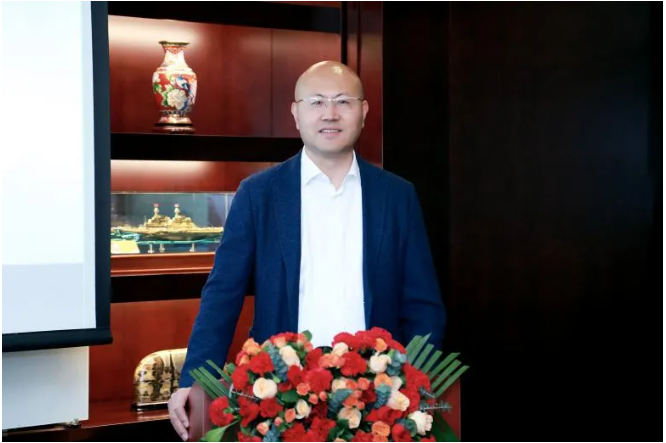
Chu Changzhi, Managing Partner and CEO of King&Capital Law Firm, delivered opening remarks. Drawing on the current state of the housing market and the challenges faced by real estate developers, he noted that the industry has entered a transitional phase of stock renewal, giving rise to a variety of complex legal issues. He emphasized that legal professionals should assume the role of upholding regulations, mitigating risks, and balancing interests. He also highlighted the professional capabilities of King&Capital Law Firm’s real estate department and expressed his best wishes for the seminar’s success.
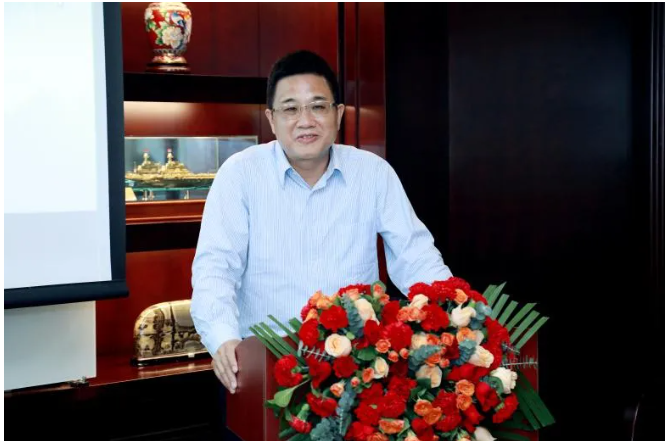
During the expert panel session, Lou Jianbo, President of the Beijing Real Estate Law Society and Professor at Peking University Law School, noted that urban renewal has driven legal changes such as the socialization of property rights. He observed that real estate practice has entered a new phase, where balancing the interests of multiple stakeholders is the core challenge, and discussed approaches to resolving disputes among property owners. He commended the seminar’s selection of topics for addressing practical pain points and expressed his hope that participants would engage in fruitful discussions to jointly advance the legal framework for urban renewal.
The thematic presentation session was rich in content and practical insights. Eight speakers took the stage in succession to provide comprehensive and detailed interpretations of complex legal issues surrounding urban renewal.
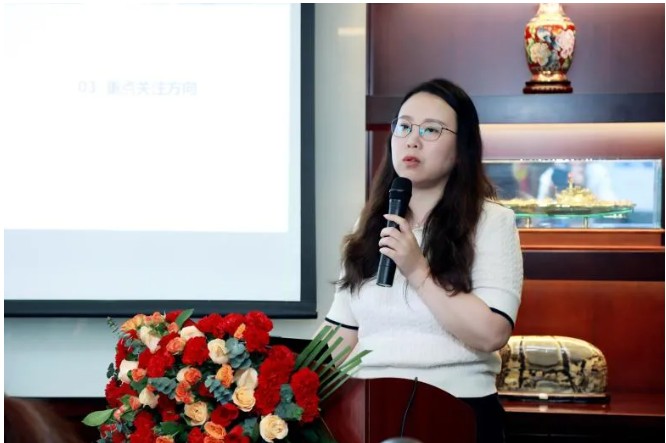
Chen Jieqiong, Chief Analyst at Shoujia Consulting, drew upon urban renewal policies and classic case studies. Integrating the 14th Five-Year Plan’s emphasis on vigorously advancing urban renewal, she interpreted the latest policy directions and outlined key areas requiring attention for future work.
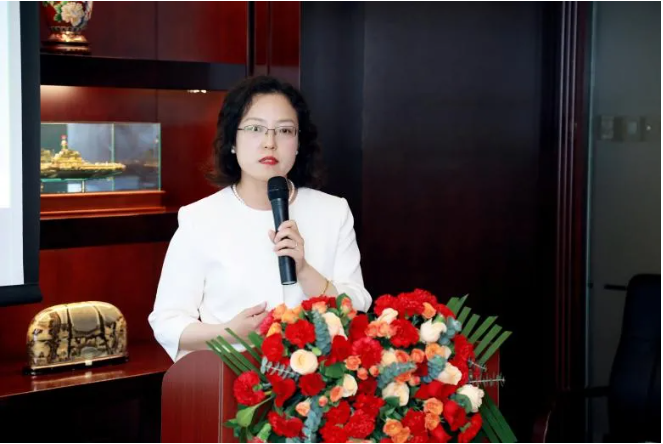
Wu Xinrong, Partner at King&Capital Law Firm, focused on the challenges and solutions regarding unlicensed structures in urban renewal. She analyzed practical difficulties such as the legal need to confirm ownership rights, the distinction between a large number of unlicensed structures and illegal construction, and the difficulty of resolving disputes. She also outlined pathways to resolving complex issues related to unlicensed structures from four perspectives: national and local regulations, judicial adjudication rules, the use of cross-disciplinary administrative and civil procedures, and relevant policy provisions.
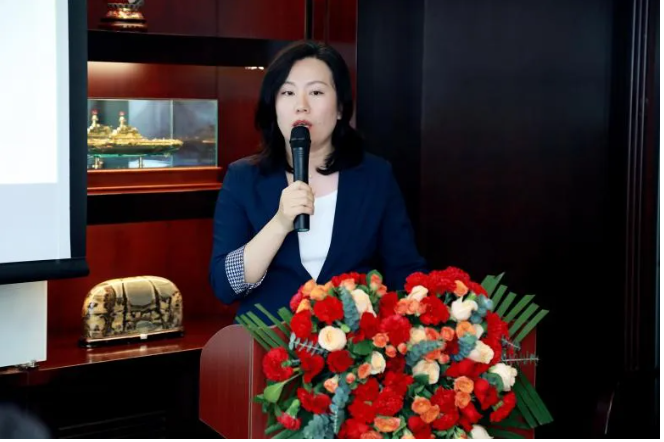
An Jing, a partner at King&Capital Law Firm, analyzed legal issues in the urban renewal process using cases involving the relocation of polluting enterprises. Taking her current cases as a starting point, she examined four key practical legal issues: the determination of contract validity; performance by a third party following rising demolition costs; the right to request land delivery; and whether incomplete demolition constitutes a condition for delivery.
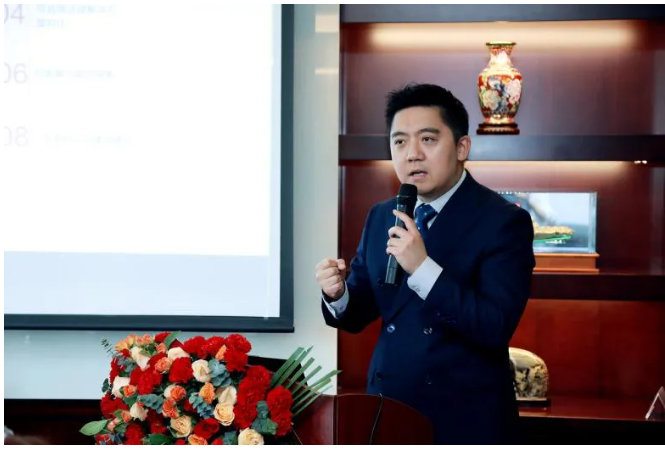
Lu Yan, Partner at King&Capital Law Firm, delivered a special presentation on legal solutions for stalled projects involving social capital investment. She analyzed the basic models and legal structures of such projects, clarified the facts of breach of contract and the objective causes of project stagnation, and outlined the multiple legal risks facing these projects. She also compared various available legal solutions, explained the implementation pathways for optimal disposal strategies, and, based on the latest project developments, distilled practical experience and professional legal advice.
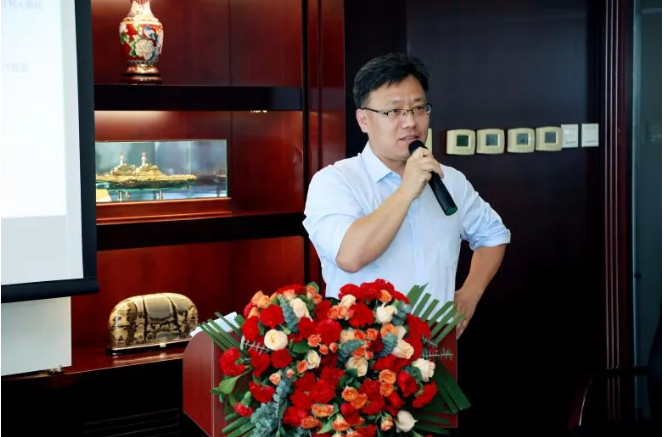
Tian Lei, Vice President of the Beijing Real Estate Law Society and Senior Partner at Zhong Lun Wende Law Firm, presented on policy recommendations for improving the voting and implementation mechanisms for multiple property rights holders in Beijing’s urban renewal projects. systematically outlining the background of the policy proposals, the origins of the issues, and the legal basis for current voting rules and their enforcement. He advocated for the establishment of a dual mechanism combining “exit safeguards” and “malicious behavior regulation” to improve the comprehensive rule system governing the entire process of urban renewal voting and implementation. Drawing on the mature institutional experience of Hong Kong’s Land (Compulsory Sale for Redevelopment) Ordinance, he provided insights and references for refining the voting and implementation mechanisms for multiple property rights holders in Beijing’s urban renewal projects.
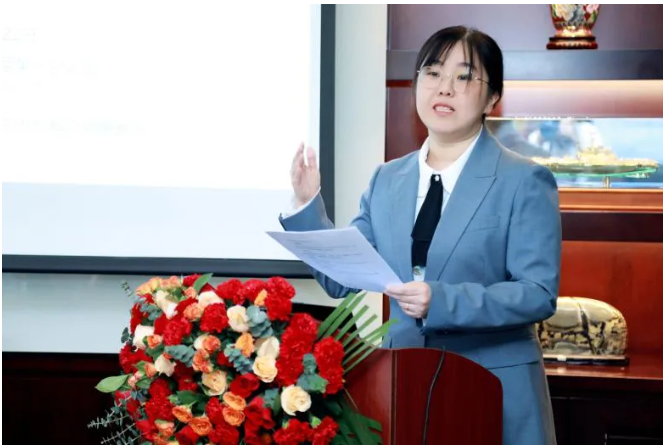
Chang Sha, a partner at King&Capital Law Firm, presented on how real estate enterprises should respond to and handle class-action lawsuits in the context of urban renewal. She systematically categorized common types of class-action lawsuits in the real estate sector within urban renewal scenarios, conducted an in-depth analysis of the core characteristics of such cases, and distilled systematic, actionable core strategies for real estate enterprises to address them. Her presentation provided professional practical guidance for real estate enterprises engaged in urban renewal projects to efficiently manage collective disputes.
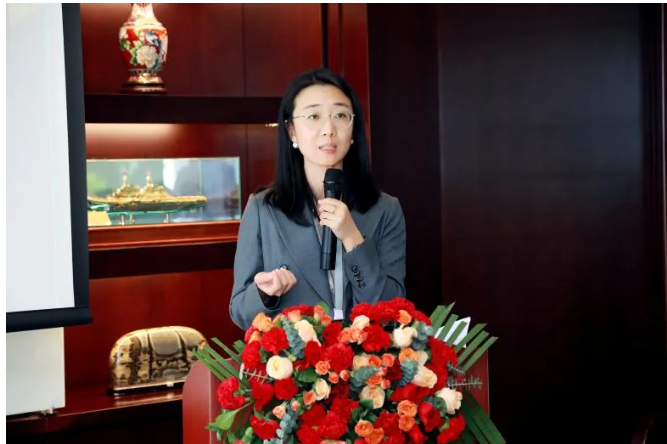
Fan Yinghui, a partner at King&Capital Law Firm, delivered a presentation on the balance of interests, compensation rules, and legal remedies in urban renewal from the perspective of public housing demolition. systematically detailing the legal characteristics and practical challenges of public housing demolition in the context of urban renewal. She focused on the allocation of demolition benefits and the determination of compensation principles for public housing tenants, and proposed legal rules for compensation tailored to the specific features of public housing demolition at the institutional level. Her presentation provided practical operational guidance for the governance of public housing demolition in urban renewal, aided in balancing interests and resolving conflicts, and offered insights for the refinement of local policies.
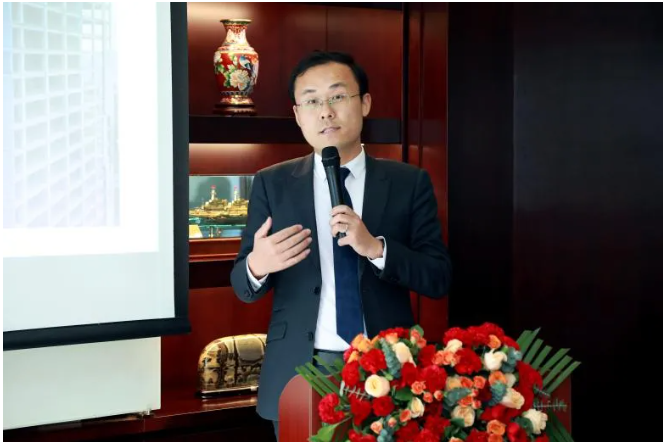
Niu Minghui, a partner at King&Capital Law Firm, delivered a presentation on the priority right to payment for construction project costs in the real estate sector under current conditions. Against the backdrop of the “Ensuring Completion of Housing Projects” policy, clarifying the enforcement of specialized subcontractors’ priority rights to construction project payments. Addressing the highly contentious issue in judicial practice regarding whether such priority rights extend to the land use rights within the area occupied by the building, he summarized core judicial opinions and practical determination standards, providing professional practical support for relevant parties to properly handle construction payment disputes and accurately define the boundaries of priority rights.
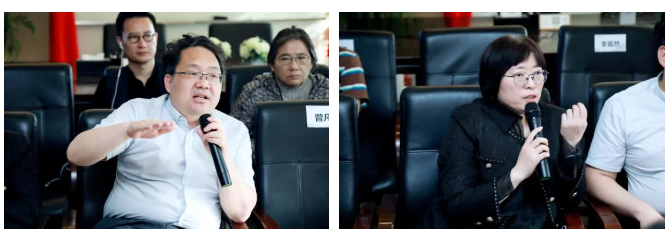
Following the presentation, the event proceeded to an open discussion session. Attendees engaged in discussions centered on the presentation’s theme, challenges encountered in daily case handling, and industry development concerns. Speakers and participants interacted through Q&A sessions, exchanged experiences, and shared insights, effectively fulfilling the event’s original objectives of resource sharing, knowledge exchange, and collaborative problem-solving.
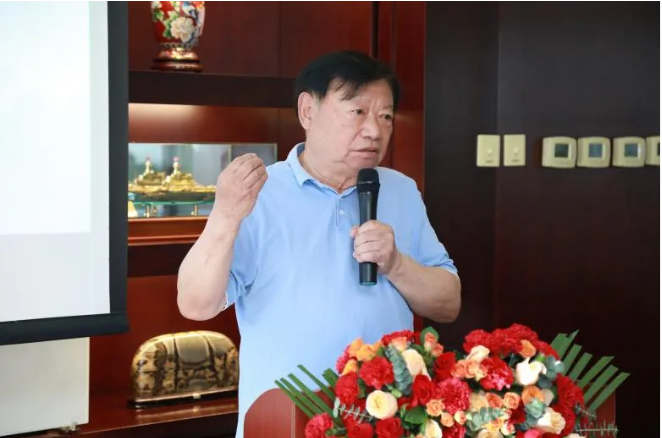
Toward the end of the event, Miao Liru, Founding President of the Beijing Real Estate Law Society and former Director of the Beijing Municipal Bureau of Land and Housing Resources, noted that the real estate industry has shifted from new development to the phase of existing stock renewal, with urban renewal becoming the core focus of the industry’s current development. Referring to current regulatory trends—such as reducing housing inventory, optimizing supply-demand structures, strictly controlling new construction land, and revitalizing existing resources—he emphasized that urban renewal projects remain in an exploratory and refinement phase. At the same time, he affirmed the practical value of this seminar and indicated that the core outcomes would be compiled into policy recommendations to be submitted to the competent authorities, thereby contributing to the refinement of Beijing’s supporting regulatory framework for urban renewal.
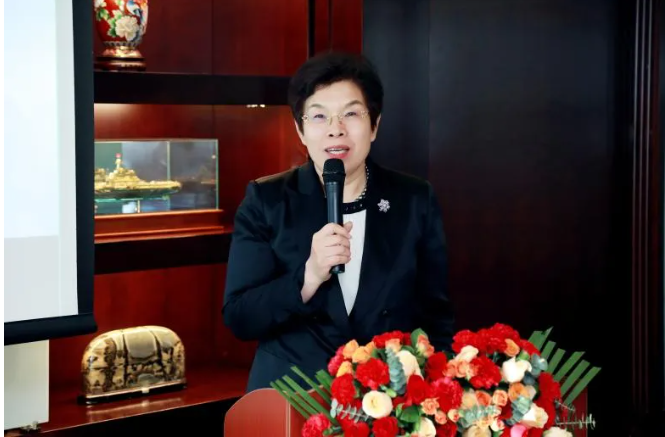
Finally, Qin Qingfang, Vice President of the Beijing Real Estate Law Society and Senior Partner at Beijing King&Capital Law Firm, expressed her heartfelt gratitude to the leaders and guests of the Real Estate Law Society for their insightful contributions. She noted that King&Capital Law Firm’s real estate practice has evolved alongside the industry’s transition from a growth-driven to a stock-driven era, emphasizing that lawyers must simultaneously update their knowledge, concepts, and service approaches. She highly commended the firm’s legal team for combining industry experience with professional expertise, which enables them to better serve urban renewal projects, and expressed her hope for continued in-depth exchanges and discussions between the firm and the Society.
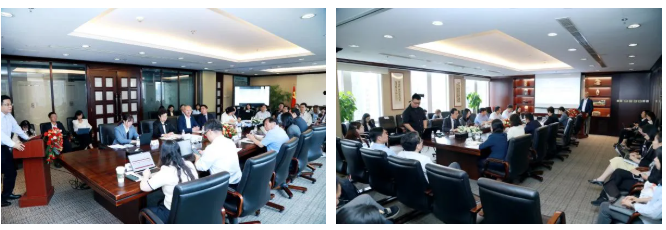
The successful hosting of this seminar on complex issues in urban renewal and real estate cases represents not only an important initiative by the Real Estate Law Society to deepen member engagement and empower industry development, but also a demonstration of Beijing King&Capital Law Firm’s commitment to deepening its legal services in real estate and urban renewal and upholding its professional responsibility. Moving forward, both parties will continue to strengthen their collaborative partnership. By focusing on industry frontiers and practical needs, they will continue to build high-quality, specialized platforms for exchange and discussion, delve deeply into the study of complex legal issues, and consolidate the outcomes of high-quality legal services. Together, they will contribute professional legal expertise to the steady advancement of urban renewal and the healthy development of the real estate industry.