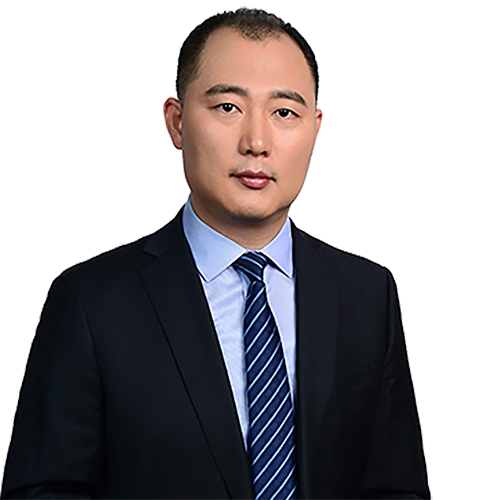


To align with the trend toward specialization and segmentation in legal services and to address the new practical challenges emerging in criminal defense within current judicial practice, on July 10, 2026, the inauguration ceremony for the King&Capital Law Firm’s Research Centers on Defense Against Official Misconduct, Fraud-Related Crimes, and Complex Criminal Cases, as well as a symposium on complex issues in the defense against official misconduct and fraud-related crimes, was successfully held in Beijing.
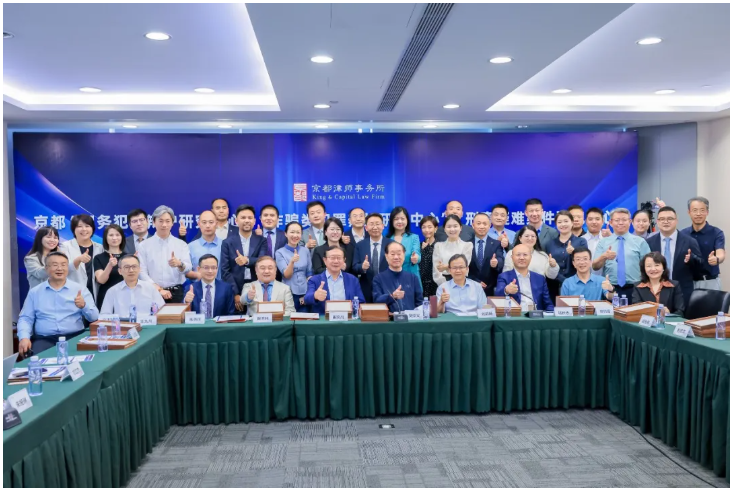
Fan Chongyi, professor and doctoral advisor at China University of Political Science and Law; Tian Wenchang, founder and honorary director of King&Capital Law Firm; Ruan Qilin, professor and doctoral advisor at China University of Political Science and Law; Liu Pinxin, professor and doctoral advisor at the School of Law, Renmin University of China; Zhu Yonghui, Director of King&Capital Law Firm; Chu Changzhi, Managing Partner and CEO of King&Capital Law Firm; Xia Jun, Director of the Research Center for Defense in Official Duty Crimes; Nie Sufang, Director of the Research Center for Defense in Fraud-Related Crimes; Zang Desheng, Director of the Research Center for Complex Criminal Cases; as well as senior partners of King&Capital Law Firm Liang Yali, Qi Xiaoling, Zhang Xiaofeng, Sun Guangzhi, Yan Huainan, Xu Ying, Liu Lijie, Tang Jianbin, Zhu Yalin, and Niu Xingli—renowned legal experts and seasoned criminal defense attorneys—gathered to discuss cutting-edge practical challenges in criminal law.

Opening Remarks
The opening remarks and subsequent plaque-unveiling ceremony were hosted by Weng Xiaoping, Senior Partner at King&Capital Law Firm and Deputy Director of the three research centers.

Zhu Yonghui, Director of King&Capital Law Firm, delivered the opening welcome remarks. On behalf of the firm, he congratulated the three research centers on their establishment and extended a warm welcome and gratitude to the attending experts and industry colleagues. Zhu Yonghui noted that the specialization and segmentation of legal services represent a major trend in the industry. King&Capital Law Firm’s integration of elite criminal defense lawyers to establish these three specialized platforms not only demonstrates the firm’s professional capabilities and team strengths but also reflects its commitment to promoting judicial fairness. He expressed three expectations for the centers: to delve deeply into frontline case practice and resolve the challenges posed by new and complex cases; to build benchmarks in specialized fields by drawing on over thirty years of accumulated expertise in criminal defense; and to adhere to an open, collaborative approach, working with various sectors to establish exchange platforms and deliver high-quality legal services. Finally, he wished the symposium every success and expressed his hope that the three centers would continue to produce high-quality outcomes, contributing King&Capital’s strength to the advancement of the rule of law.

Professor Fan Chongyi, Professor at China University of Political Science and Law, Ph.D. advisor, and Honorary Dean of the Institute of Procedural Law at China University of Political Science and Law, first congratulated the simultaneous launch of the three criminal research centers in Beijing and emphasized that specialization and academic rigor are the inevitable path to high-quality development in the legal profession. Professor Fan Chongyi highlighted how each of the three centers addresses contemporary rule-of-law needs: the Research Center for Official Misconduct serves comprehensive anti-corruption governance by providing legal think-tank support for grassroots anti-corruption efforts; the Research Center for Complex Criminal Cases resolves discrepancies in the application of law in cases involving the intersection of criminal and civil or administrative and criminal matters, while upholding the fundamental principle of adjudication based on evidence; and the Research Center for Fraud-Related Crimes adapts to digital anti-fraud governance, balancing professional defense with public legal education on anti-fraud measures. He put forward five recommendations for the long-term development of the centers, covering the integration of theory and practice, adherence to professional ethics, expansion of public legal services, mastery of scientific case-handling methods, and advancement of legal scholarship in the field of law. He also encouraged the three centers to attract professional talent, build a criminal law research base with national influence, and drive the transformation and upgrading of the legal profession.

In his address, Attorney Tian Wenchang, founder and honorary director of King&Capital Law Firm, candidly acknowledged that a widespread disconnect between theory and practice has long plagued the legal community, and that the core objective of establishing this research platform is to create a high-level venue for mutual exchange and knowledge sharing within the industry. Attorney Tian Wenchang proposed two major development goals: to distill case-handling experience from a vast body of typical cases and use this to refine and improve the domestic criminal law theoretical framework; to break down internal barriers and open up all research findings for sharing across the firm and the entire industry, thereby demonstrating the broad professional vision of King&Capital’s criminal defense attorneys. At the same time, he emphasized that King&Capital attorneys have a duty to engage in research in this field and expressed his expectation that the three centers will delve deeply into their research topics to supplement China’s legal system with practical experience.
Unveiling Ceremony
As the speeches concluded, the event reached its highly anticipated moment: the unveiling ceremony, during which the three research centers were officially inaugurated.

Professor Fan Chongyi, Attorney Tian Wenchang, Professor Ruan Qilin, Professor Liu Pinxin, Attorney Zhu Yonghui, Attorney Xia Jun, Attorney Nie Sufang, and Attorney Zang Desheng jointly unveiled the “King&Capital Research Center for Defense Against Official Misconduct,” the “ “King&Capital Defense Research Center for Fraud-Related Crimes,” and “King&Capital Research Center for Complex Criminal Cases,” officially marking the establishment of these three research centers.
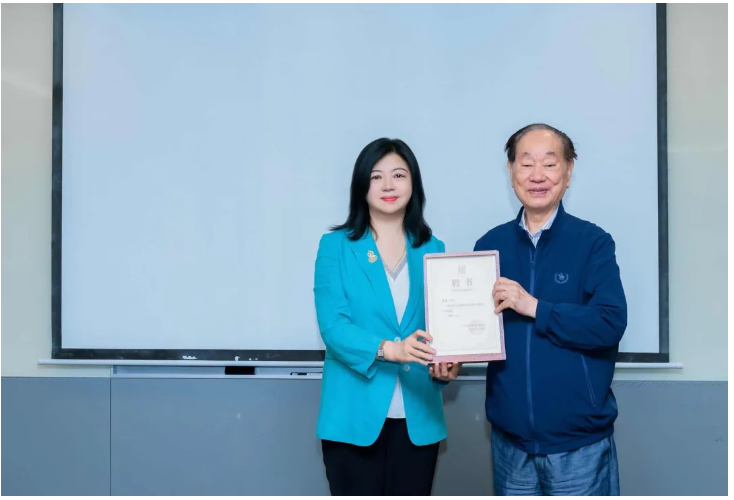
Professor Fan Chongyi presented the letter of appointment to Xia Jun, Director of the “King&Capital Defense Research Center for Official Misconduct.”
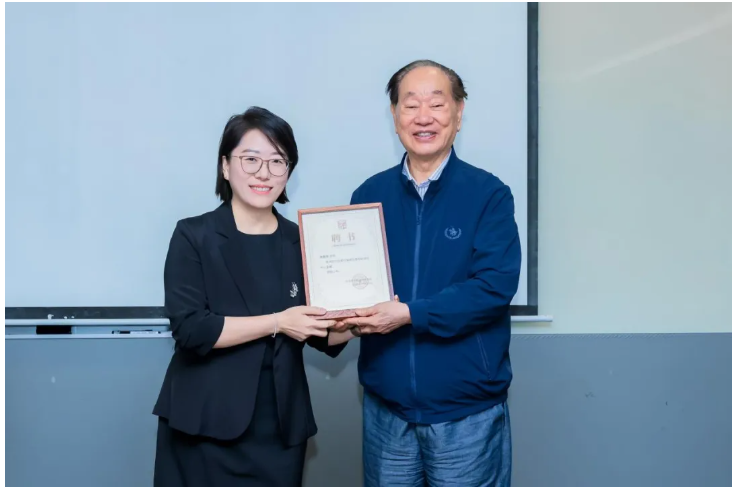
Professor Fan Chongyi presented the letter of appointment to Nie Sufang, Director of the “King&Capital Defense Research Center for Fraud-Related Crimes.”
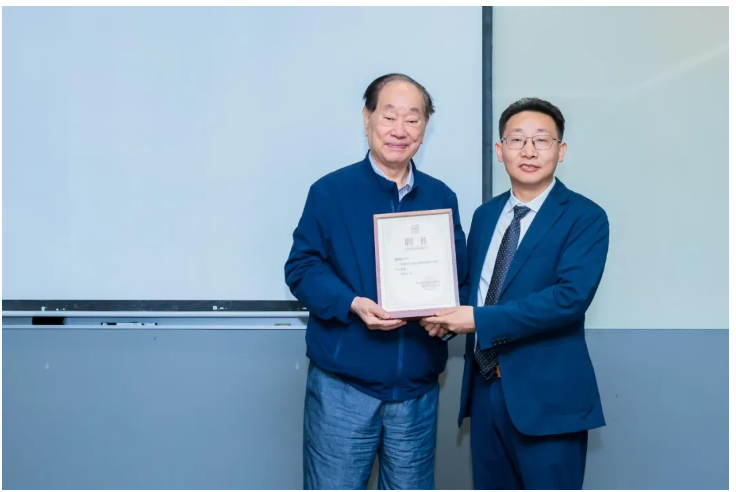
Professor Fan Chongyi presented the letter of appointment to Zang Desheng, Director of the “Kyoto Research Center for Complex Criminal Cases.”






Swipe left or right to view images
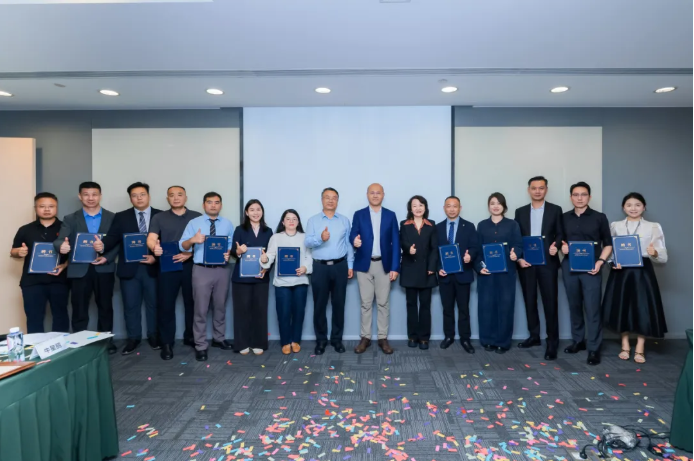
Attorney Tian Wenchang, Professor Ruan Qilin, Professor Liu Pinxin, Attorney Zhu Yonghui, CEO Chu Changzhi, and attorneys Cao Shuchang, Wang Jiuchuan, Liang Yali, Yang Damin, Zhao Qilong, Gong Piguo, and Lü Zhixuan presented letters of appointment to members of the three research centers, including deputy directors, secretaries-general, deputy secretaries-general, secretariat members, and researchers.
Inaugural Speeches by the Directors of the Three Research Centers

Attorney Xia Jun began by noting that defending against official misconduct cases is widely recognized as a major challenge in the field of criminal defense. With the frequent occurrence of new and covert forms of official misconduct, defense work faces numerous challenges. When addressing complex issues in practice, if theory is disconnected from practice, analyses are fragmented, and cases are handled in isolation, it will inevitably fail to adapt to the current reality and fall short of meeting the demand for refined defense strategies. Therefore, “empowering practice with theory and enriching theory with practice” is particularly important in the current context, and the establishment of the Research Center for the Defense of Official Misconduct Crimes is an inevitable choice in response to practical needs. Building on this, she highlighted four core tasks for the Research Center for Defense in Official Duty Crimes: focusing on cutting-edge and complex issues in the field of official duty crimes; conducting thorough research on both theory and practice; regularly undertaking research on cutting-edge topics; compiling case guidelines and professional publications; and sharing the results of practical research with the broader legal community; using professional research to enhance case handling, collectively deliberating on major and complex cases, continuously improving the quality of defense, and refining exemplary cases; internally, nurturing young criminal defense talent, and externally, collaborating with various sectors to establish channels for exchange; actively participating in legal education and integrity and compliance initiatives at state-owned institutions and enterprises to fulfill the firm’s social responsibilities. She emphasized that the Research Center for Defense in Official Duty Crimes will, in the future, produce outstanding results through professional research, continuously empowering the high-quality development of criminal defense at King&Capital Law Firm.

In her inaugural address, Attorney Nie Sufang outlined two key practical contexts for establishing the Fraud Defense Research Center: first, the persistently high incidence of fraud cases and significant disputes over their legal characterization, which warrant systematic research; the digital economy has given rise to new forms of fraud characterized by online networks and chain-based operations, and commercial disputes are highly susceptible to erroneous criminal prosecution, creating an urgent need for a standardized defense system. Nie Sufang outlined three key work directions for the center: compiling judicial rulings on similar cases to drive the transformation of fraud defense from “experience-based case handling” to “professional, standardized, and meticulous case handling”; conducting regular internal consultations on complex cases and external academic exchanges to build a professional brand in specialized fields; and cultivating young lawyers through internal seminars, case-based mentoring, and joint case handling to establish a comprehensive talent pipeline. She stated that the team will uphold a rigorous and professional approach to practice, excel in case handling and research, and spare no effort in propelling the professional development of King&Capital Criminal Defense to new heights.

Attorney Zang Desheng noted that major, difficult, complex, and novel criminal cases are increasing year by year, and the experience of a single attorney is insufficient to meet clients’ demands for high-quality legal services. The Research Center for Difficult Criminal Cases, together with the other two centers, forms a complementary and collaborative framework, creating an integrated “research + case handling” professional think tank to provide strong support for the defense work of King&Capital Law Firm attorneys. He outlined the core functions of the Research Center for Complex Criminal Cases: focusing on empowering individual cases by regularly conducting research and deliberations on complex cases; compiling case outcomes to build a dedicated King&Capital think tank for complex cases; implementing case-based training to foster the growth of young attorneys through case studies; and collaborating with other centers to conduct thematic discussions, thereby expanding King&Capital’s influence in the field of criminal defense. He noted that the center will continue to recruit criminal defense attorneys to expand its team and pledged to strictly adhere to management regulations, using professional research to advance judicial fairness.
Thematic Discussion 1: Judicial Determination and Effective Defense in New Types of Covert Official Duty Crimes

The conference officially moved into the thematic discussion session. This round of discussions focused on the judicial determination and effective defense in new types of covert official duty crimes, with Zhang Pengpeng, Director of the Practice Management Department at King&Capital Law Firm, serving as moderator.

Professor Ruan Qilin, a professor and doctoral advisor at China University of Political Science and Law, began by analyzing actual court cases involving bribery by personnel in state-controlled enterprises to interpret the rules for determining who qualifies as a “state official” in state-funded enterprises. He systematically examined the provisions of the Criminal Law, judicial interpretations, and the reasoning behind guiding cases, clarifying that only Party committees and joint Party-government meetings are qualified appointing authorities; that the appointment relationship must be supported by complete documentation; and that ex post facto personnel systems cannot be applied retroactively to existing cases. He distilled a core methodology for handling cases: high-quality defense arguments should be based entirely on statutory provisions, judicial interpretations, authoritative precedents, and prevailing academic views, minimizing the expression of the lawyer’s subjective opinions and relying on diverse authoritative sources to enhance the persuasiveness of the defense arguments to the case-handling authorities.

Attorney Qi Xiaoling shared her insights as a panelist, focusing on a new type of embezzlement case involving a state-owned insurance company. Using a second-instance embezzlement case involving a senior insurance executive she represented as a case study, she explained that the client in this case had independently developed high-value, premium insurance business with a state-owned enterprise client. To circumvent the difficulty of collecting commissions under a direct-sales model, the client used a “personal agent” arrangement—fictitiously registering as an individual sales agent—to receive standard industry commissions. In the first-instance trial, the client was convicted of embezzlement and sentenced to a severe penalty. By highlighting the fundamental difference between this case and traditional embezzlement cases—namely, that the client had independently developed the business and generated substantial revenue for the insurance company, and that the commissions in question constituted the insurance company’s established sales costs rather than state assets—Attorney Qi’s team argued in the second-instance defense that the first-instance conviction for embezzlement violated basic legal principles and that the practice of listing fictitious individual agents should be classified as a regulatory violation. This argument garnered significant attention from the judges and prosecutors, leading to a decision to hold a court hearing.

Attorney Zhang Xiaofeng shared practical insights on the challenges of handling occupational crimes in the financial sector. He noted that criteria for classification in financial institutions can be broken down as follows: service and technical staff at wholly state-owned financial institutions are not considered state officials; market-hired employees without Party committee appointment documents do not constitute subjects of public office crimes; and appointments by the Party committees of collectively owned enterprises cannot serve as grounds for determining state official status. Drawing on a case where a defendant was charged with bribery following losses in fund investments, he proposed a key defense strategy: verifying whether the financial institution engaged in misconduct such as irregular sales or insider trading. If the losses resulted from the institution’s own operational flaws, the defendant’s demand for compensation would not constitute the intent to illegally appropriate property required for a bribery charge. At the same time, he pointed out that even if the sentencing ranges for the two offenses are similar, changing the charge to “bribery by a non-state employee” would have a favorable impact on sentence reduction and parole.

Attorney Sun Guangzhi focused on the determination of bribery in cases involving implicit bribery and shared effective defense strategies. He categorized common forms of hidden bribery encountered in practice into five types and, based on specific patterns of bribery, outlined precise defense approaches and strategies. These include, but are not limited to: verifying the formation of passive benefits and addressing disputes over the quantification of property-related benefits; delineating the boundary between legitimate income and illicit gains regarding disputed service fees and wages; verifying and substantiating the authenticity, reasonableness, and necessity of commercial transactions; and mounting defenses centered on the valuability of investment gains and losses as well as profit opportunities. Finally, he summarized a three-tiered, progressive defense logic, sequentially addressing the factual determination of whether a bribe occurred, the exculpatory analysis of the “power-for-money” transaction, and the defense regarding the quantification of the involved amount. This approach systematically explores areas of reasonable doubt in the case that favor the client, aiming to achieve a not-guilty verdict or a reduced charge.

Attorney Yan Huainan provided an in-depth analysis of the challenges and defense strategies in new types of covert corruption cases. He pointed out that current official misconduct cases are characterized by two major trends: prolonged retroactive investigation periods and constantly evolving methods of corruption. Furthermore, there are frequent conflicts between the interpretations of discipline and law by the Supervisory Commission and judicial adjudication standards, and the inability of attorneys to intervene during the supervisory phase further restricts the scope for defense. He summarized five major patterns of disguise used in covert corruption: having relatives or business associates collect benefits on one’s behalf; exercising power through indirect influence; using civil transactions to conceal the transfer of benefits; using fictitious assets as bribes; and separating the link between power and money by seeking personal gain while in office and cashing in after leaving office. In response, he proposed targeted defense strategies and emphasized that defense efforts must span the entire case process to safeguard the client’s legitimate litigation rights and interests in accordance with the law.
Thematic Seminar II: The Demarcation Between Criminal and Civil Law in Fraud Crimes, Challenges in Judicial Determination, and the Protection of Rights

The second seminar focused on the themes of the demarcation between criminal and civil law in fraud crimes, challenges in judicial determination, and the protection of rights. It was moderated by Li Zhiguang, Senior Partner at King&Capital Law Firm and Deputy Director of the Research Center for Fraud Crimes.

Professor Liu Pinxin, a professor and doctoral advisor at the School of Law, Renmin University of China, began by presenting a thematic discussion on defense strategies regarding electronic evidence in fraud cases from the perspective of evidence law. He structured his presentation around three questions—“Why do it? What is it? Where is it headed?”—and proposed that massive volumes of electronic data represent a brand-new breakthrough for defense in telecommunications fraud cases. Citing a case where a verdict in a dating platform fraud case was overturned on appeal, he explained how his team, by retrieving server backend data and the full chat history, verified that the defendant had implemented risk control measures and that the platform was operating under a front company arrangement. This successfully led to the principal offender being reclassified as an accessory and a significant reduction in the sentence. Finally, he summarized the three core characteristics of electronic evidence defense: relying on big data to screen underlying data, reconstructing case facts based on digital traces, and proactively obtaining exculpatory evidence to conduct an offensive defense. He also predicted that data interpretation and the use of AI tools would become essential professional competencies for criminal defense attorneys in the future.

Attorney Xu Ying clarified the criteria for distinguishing between criminal and civil matters by analyzing a case where a life sentence for solicitation-based fraud was overturned on appeal to an acquittal. She began by sharing a case involving fraud related to the solicitation of alcohol licensing qualifications—a 14-year appeal process that ultimately resulted in an acquittal—and distilled the key review points: distinguishing between civil claims of exaggerated capabilities and criminal fraud involving the fabrication of core performance capabilities; in the substantive review, determining whether partial performance was genuine and valid, and distinguishing between objective obstacles and subjective inaction; when there is a dispute over the entrusted matter and the intended objective, verifying whether the substantive objective of the entrusted matter was achieved, and demonstrating through pre-, during, and post-event agreements and conduct that the client had no mistaken belief regarding the achievement of the objective; an imbalance in consideration does not constitute property loss under criminal law, and the amount of compensation falls within the realm of civil evaluation and cannot be directly used as the basis for a criminal fraud conviction. She stated that the key to the acquittal in this case lay in the defense team’s evidence demonstrating that the defendant had indeed engaged in substantive performance and fulfilled the core agency requests, which was sufficient to prove the absence of intent to illegally appropriate property and that the client had no mistaken belief regarding the payment of funds. The relevant distinguishing criteria can serve as a clear reference for defense strategies in similar cases.

Attorney Liu Lijie analyzed the key points of defense in cases involving telecommunications and internet fraud as well as new forms of AI-enabled fraud. He traced the evolution of fraud crimes from traditional offline fraud, fundraising fraud, and telecommunications and internet fraud to AI-driven fraud, noting that there are currently no uniform judicial standards for determining criminal liability in new forms of fraud such as AI face-swapping and autonomous program bypassing. He mentioned that traditional cross-border telecommunications fraud presents two major challenges: first, the complex process of admitting cross-border evidence; and second, the tendency for sentencing based on bulk transaction volumes to overlook individual differences among defendants. In response, he proposed corresponding defense strategies: using electronic data to create behavioral profiles of individuals to distinguish between independent technology service providers and members of criminal syndicates; and, for AI-derived crimes, clarifying the amount involved covered by the perpetrator’s subjective intent to precisely delineate the criminal liability of all parties.

Attorney Tang Jianbin delivered a professional presentation on the judicial challenges and defense strategies in medical insurance fraud cases. He analyzed the steady rise in such cases in recent years and, addressing disputes over the legal characterization of fraud at designated hospitals, distinguished between the different legal reasoning applied to private and state-owned hospitals. He clarified areas for defense, including the determination of corporate criminal liability, the distinction between principal and accessory offenders, and the classification of attempted fraud when medical insurance funds have not yet been disbursed. At the same time, he explained the boundaries of criminal liability for different parties—including insured individuals, drug dealers, and online pharmacies—and distinguished between compliant family-based medication purchases and the fraudulent use of health insurance cards to defraud the system. Furthermore, he warned of the risks associated with the online resale of returned medications and the counterfeit drug supply chain, and, drawing on specific cases, highlighted the core defense strategy of distinguishing between the post-crime receipt of illicit proceeds and pre-crime conspiracy to defraud the insurance system.

Attorney Zhu Yalin provided an in-depth analysis of key defense strategies regarding the practical distinction between criminal and civil fraud. Drawing on actual cases she has handled, she outlined the core criteria for distinguishing between civil fraud and criminal fraud, arguing that the key determinant lies in whether the perpetrator possessed the intent to illegally appropriate funds—a determination that can be assessed through four dimensions: willingness to fulfill obligations, ability to fulfill obligations, willingness to repay, and ability to repay. She emphasized that assessing subjective intent must be based on the objective circumstances at the time of obtaining funds or signing an agreement; one cannot retroactively infer prior subjective intent solely based on subsequent performance. This is also the core defense argument in this case. At the same time, she categorized fraudulent acts into three tiers: foundational facts, material facts, and peripheral facts. She pointed out that fabricating only peripheral facts—such as the scale or honors of a company—generally constitutes civil fraud, whereas fabricating core foundational facts—such as projects or qualifications—is more likely to be classified as criminal fraud.

Attorney Niu Xingli shared a tiered analytical method for distinguishing between civil fraud and criminal fraud. She noted that civil and commercial fraud and criminal fraud appear highly similar on the surface but can be precisely distinguished through a four-step progressive approach: First, distinguish between false facts and non-deterministic information based on market forecasts, as the latter constitutes only civil fraud; second, verify the causal link between false information and the disposition of property—mere embellishment of one’s identity or social maneuvering does not constitute fraud; third, comprehensively assess the harmfulness of the conduct and identify grounds for exemption from liability; fourth, determining the intent to unlawfully appropriate property based on the ability and actual conduct to fulfill contractual obligations. Drawing on case studies involving entrusted wealth management and marital and dating-related financial disputes, she demonstrated practical application methods, providing a standardized analytical framework for characterizing and defending against fraud cases that straddle civil and criminal law.
Closing Remarks

Finally, Chu Changzhi, Managing Partner and CEO of King&Capital Law Firm, delivered closing remarks summarizing the entire event. He reviewed the core ideas of the day’s seminar and expressed three expectations for the three research centers: First, to delve deeply into specialized fields and produce systematic case-handling guidelines; second, to apply research findings to frontline case practice and tangibly improve the quality of defense; and third, to uphold openness and sharing, collaborating with the entire industry to jointly advance the professionalization of criminal defense. Finally, he once again thanked the attending experts and colleagues and expressed his hope that the three research centers would continue their dedicated work and yield abundant results.
With that, the symposium concluded successfully. Moving forward, King&Capital will continue to deepen its expertise in the field of criminal defense, uphold the principles of openness and sharing, strengthen collaboration and joint development with academia, the legal profession, and peers, cultivate a pipeline of professional criminal defense talent, safeguard judicial fairness through expertise, and continue to contribute King&Capital’s strength to the professional advancement of the criminal defense industry and the development of the rule of law.