

From July 17 to July 19, 2026, the first King&Capital Criminal Law Committee Moot Court Competition was successfully held. Tian Wenchang, founder and honorary director of Beijing King&Capital Law Firm; Zhu Yonghui, director; and senior partners Yang Zhaodong, Zang Desheng, Nie Sufang, Sun Guangzhi, Xu Ying, Liu Lijie, Liang Yali, Xia Jun, Zhang Xiaofeng, and Zhu Yalin; Partners Wang Jiaming, Yang Haiming, Ma Lixi, Li Jingyu, Xu Wei, and Fu Qingtao; and Attorney Han Ruiqi attended the competition. The competition centered on practical simulations of key trial elements—including cross-examination, evidence examination, and oral arguments—to hone criminal defense attorneys’ core competencies in logical reasoning, on-the-spot decision-making, and courtroom presentation, thereby bridging the gap between legal theory and practical case handling. At the same time, by leveraging this series of mock trial competitions to strengthen the talent pipeline for criminal defense, the King&Capital Criminal Defense Committee continues to empower the firm’s specialized, high-quality, and sustainable development in criminal defense.
I. Opening Remarks:
Years of Experience Build Confidence in Criminal Defense; Mock Trials Go Beyond Theoretical Debates

Drawing on his personal experience, Attorney Tian Wenchang pointed out that existing industry mock trial competitions generally suffer from a fatal shortcoming: most cases on the market present only fixed facts and focus solely on substantive issues related to criminal charges, completely overlooking procedural flaws, contradictions in evidence, and factual ambiguities—essentially amounting to mere theoretical exercises. The core of handling real criminal cases lies in dissecting evidence and verifying points of doubt; all legal characterizations are based on evidence. The cases in this competition simultaneously integrate procedural and substantive issues along with multiple conflicts of evidence, moving from points of doubt in the evidence to the determination of charges, thereby comprehensively testing lawyers’ overall courtroom capabilities. At the same time, he proposed a long-term plan: mock trials should not be held just once, but should be organized regularly, frequently, and on a long-term basis; they should not be limited to in-house teams but should invite lawyers from external law firms to compete on the same stage, using high-caliber external opponents to drive the growth of King&Capital’s young lawyers; outstanding external participants may also be recruited to join King&Capital’s criminal defense team.

Attorney Zhu Yonghui pointed out that criminal defense is King&Capital’s core area of expertise, and mock trials serve as the optimal platform for consolidating and comprehensively testing all practical training elements—including questioning, cross-examination, debate, and legal document drafting. This competition offers two core benefits: first, the cultivation of young talent, where full-scale mock trials hone their ability to appear independently in court; second, differentiated services for high-end clients. In the future, when the firm takes on major, complex, or challenging criminal cases, it can organize mock trials simulating the actual proceedings in advance, inviting retired judges, former prosecutors, and senior criminal defense attorneys to jointly assess trial risks and refine defense strategies, thereby enhancing the professionalism of services for high-profile cases.
II. Competition Recap:
Heated Debates on the Same Stage Forge True Insight; In-Court Arguments Showcase Brilliance
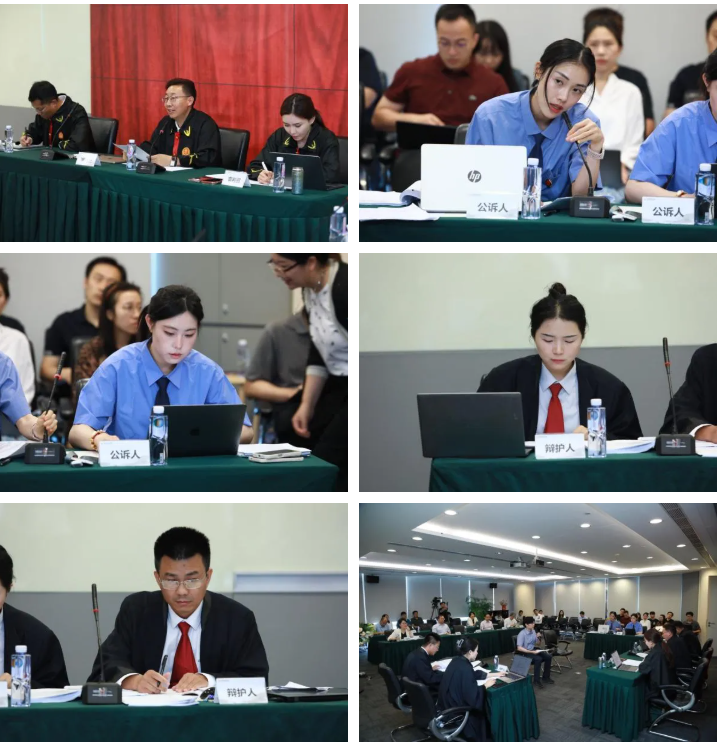
The panel of judges for the first mock trial consisted of Zang Desheng, Wang Jiaming, and Yang Haiming. The prosecution was represented by Liu Sijing and Li Yongjia, the defense by Chen Sainan and Wen Yixin, and the defendant by Ma Yizhe.
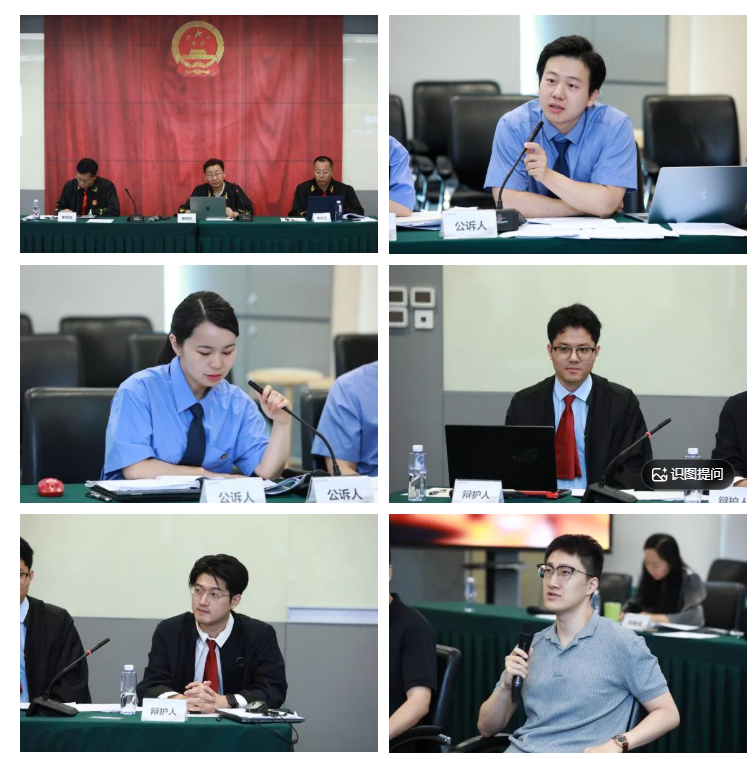
The panel of judges for the second mock trial consisted of Zang Desheng, Fu Qingtao, and Yang Haiming. The prosecution was represented by Wang Siyu and Jin Yuting; the defense by Zhao Dexuan and Chen Zhixia; the witness by Liu Bolin; and the defendant by Chen Xinquan.
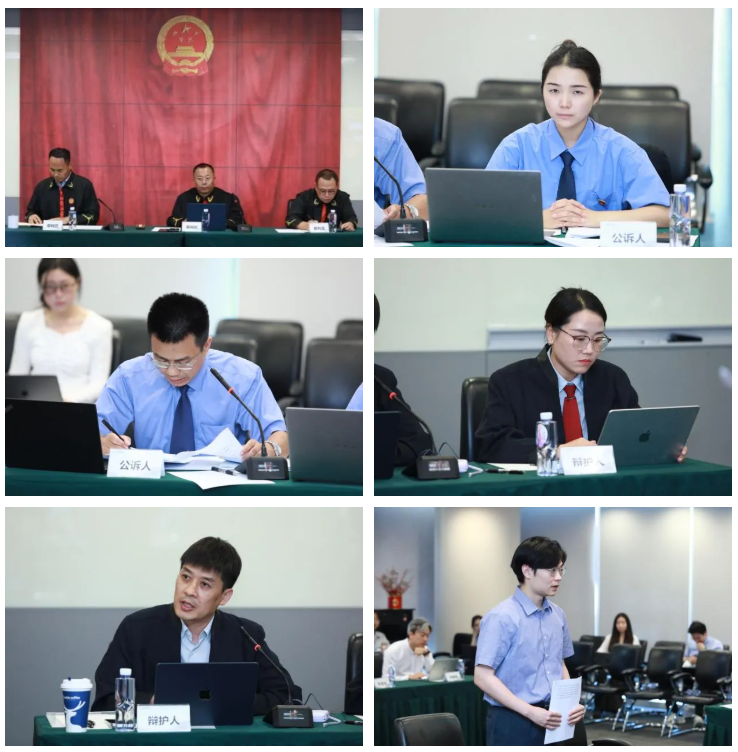
The panel for the third mock trial consisted of Fu Qingtao, Ma Lixi, and Li Jingyu. The prosecution was represented by Chen Sainan and Wen Yixin; the defense by Guo Chunyan and Lu Xianghui; the witness by Ma Yizhe; and the defendant by Zhu Dongsheng.
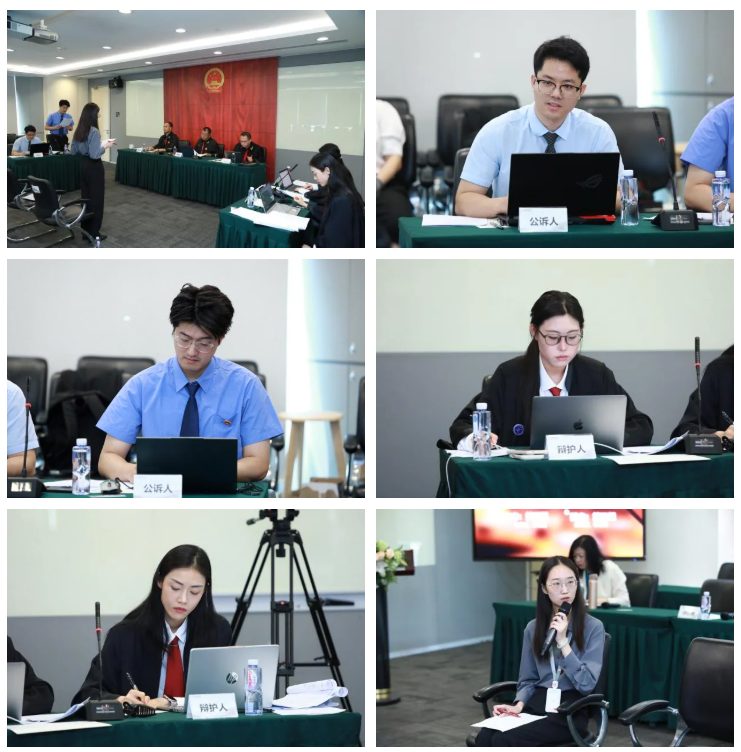
The panel for the fourth mock trial consisted of Fu Qingtao, Ma Lixi, and Li Jingyu; the prosecution was represented by Zhao Dexuan and Chen Zhixia; the defense was represented by Liu Sijing and Li Yongjia; and the defendant was played by Chen Meiru.
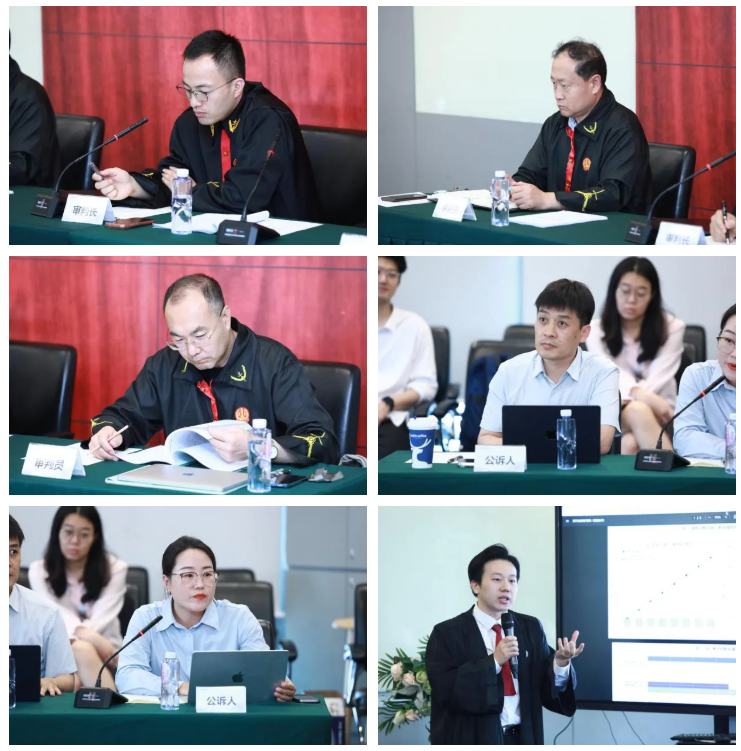
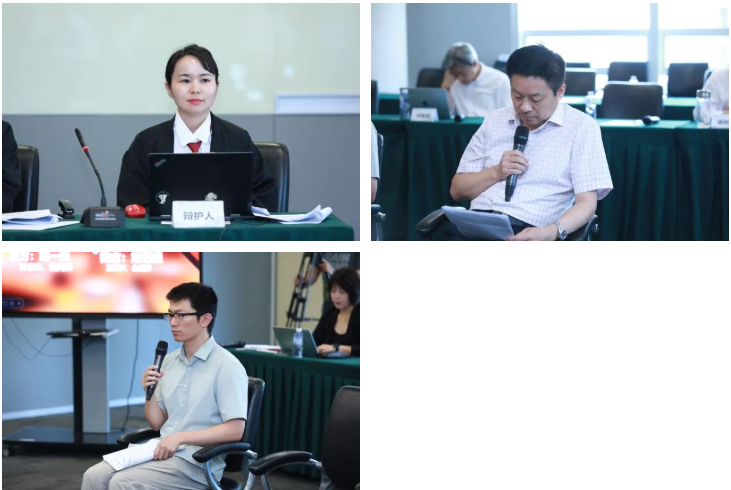
The panel of judges for the fifth mock trial consisted of Xu Wei, Han Ruiqi, and Zhang Xiaofeng. The prosecution was represented by Guo Chunyan and Lu Xianghui; the defense by Wang Siyu and Jin Yuting; the witness by Zhu Dongsheng; and the defendant by Wang Zichen.
III. Professional Commentary:
Judges Analyze Trial Strengths and Weaknesses; Insightful Observations Chart the Path Forward
After each mock trial concluded, the panel of judges and the evaluators conducted comprehensive professional analyses in turn. Drawing on real-world judicial perspectives, the judges dissected and analyzed the full range of prosecution-defense exchanges and the core disputes of each case layer by layer. They identified the participants’ existing shortcomings across six practical dimensions—logic of courtroom questioning, logic of evidence categorization, control of cross-examination boundaries, adversarial debate, team coordination, and courtroom demeanor—while also meticulously highlighting each team’s standout strengths.
Addressing three typical and complex criminal cases—bribery, smuggling, and operating a gambling den— the judges provided detailed explanations on high-frequency practical challenges such as the determination of corporate criminal liability, the admissibility of evidence regarding the amount involved, the presumption of subjective knowledge, defenses based on procedural defects, and the reasoning behind sentencing considerations. They clearly distinguished the boundaries between cross-examination and comprehensive debate, correcting common issues among contestants such as blurring the lines between cross-examination and debate, leading questions, and weak evidentiary arguments.
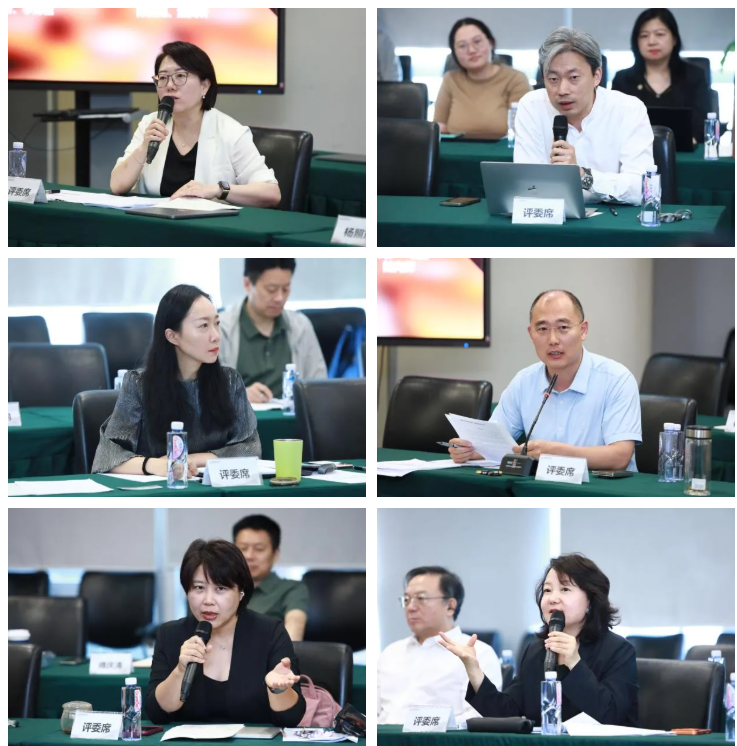

Drawing on their many years of frontline courtroom and judicial experience, the judges avoided abstract theory and instead used real-time examples from the contestants’ actual statements to precisely highlight common pitfalls in practical scenarios. They not only identified areas for improvement in young lawyers’ ability to adapt on the spot, deliver impromptu statements, and engage in logical debate, but also provided long-term planning recommendations for regular practical training. With their professional insights, they helped young lawyers navigate blind spots in case handling, break down the barriers between theory and practice, and build solid courtroom skills through post-trial reflection.
Image
IV. Awards Ceremony:
Crowned with Glory, Carrying Forward the Torch; Elite Lawyers United in Upholding the Original Aspiration of the Rule of Law
At the event, the first, second, and third prizes for team categories, as well as the three individual awards—Reasoning and Critical Thinking, Outstanding Expression, and Best Debater—were announced in sequence. Senior judges took the stage to personally present certificates of honor and medals to the participating lawyers from each group.
First Prize (Team): Liu Sijing, Li Yongjia
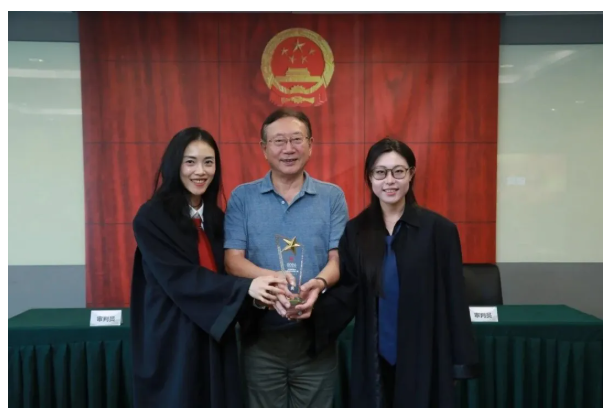
Second Prize (Team): Guo Chunyan, Lu Xianghui; Chen Sainan, Wen Yixin; Wang Siyu, Jin Yuting
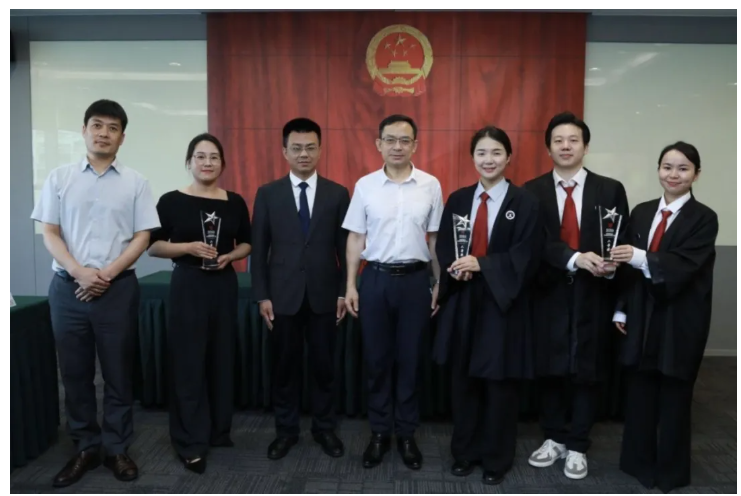
Third Prize (Team): Zhao Dexuan, Chen Zhixia
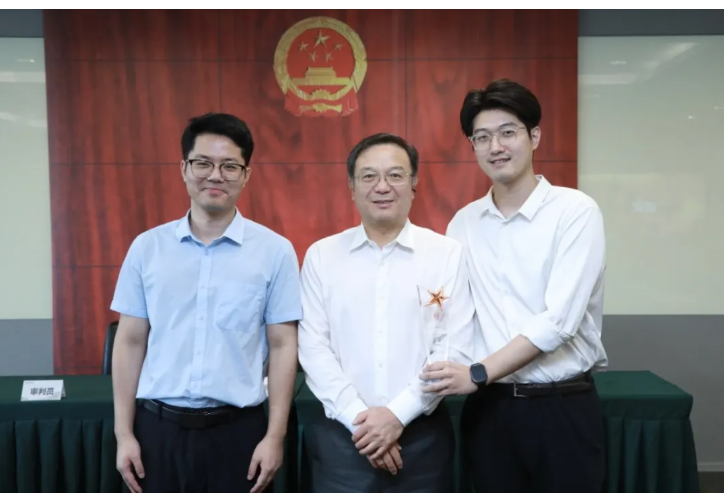
Individual Award for Logical Reasoning and Critical Thinking: Wang Siyu
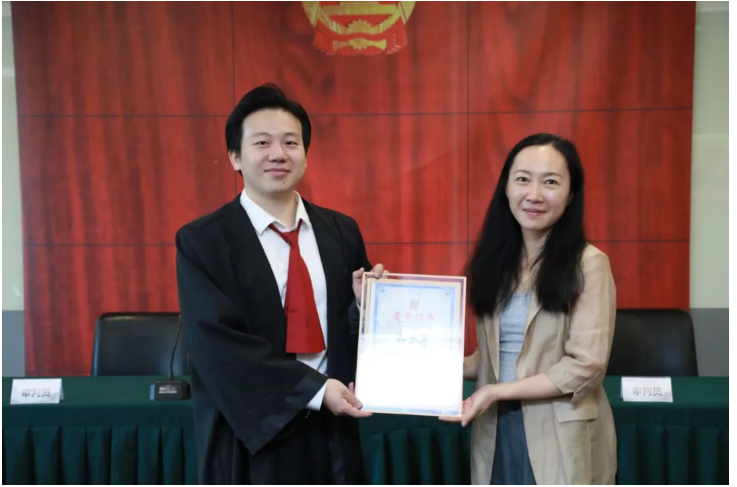
Individual Award for Outstanding Delivery: Lu Xianghui
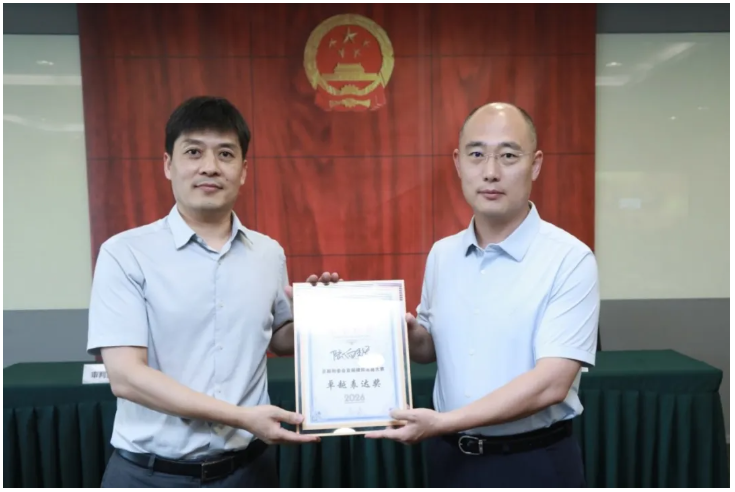
Individual Award for Best Debater: Chen Sainan
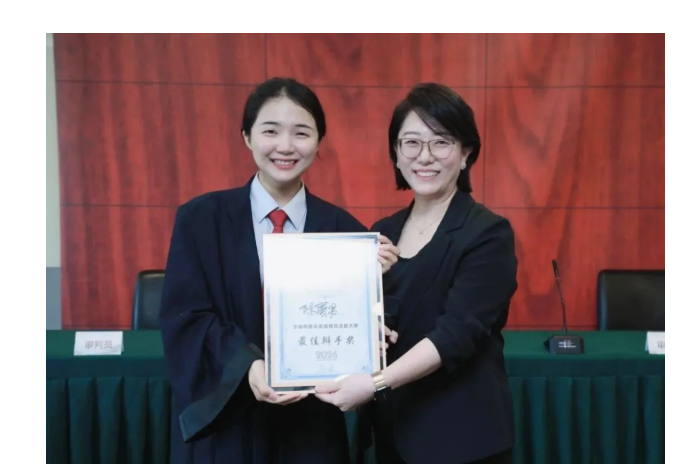
This crown of glory is not only a testament to their performance on the competition stage but also a continuation of the spirit of criminal defense. During the awards ceremony, the winning teams took the stage one by one to share their reflections on preparation and insights gained from the competition. Many young lawyers candidly admitted that the three days of five immersive, full-scale mock trials and the judges’ incisive professional feedback were far more valuable than any piece of paper. This hands-on training helped them address many shortcomings in their courtroom skills. Senior lawyers also addressed all young legal professionals, encouraging them to use this competition as a starting point, to persist in regular courtroom training, to delve deeply into the field of criminal defense, to hone their logic and refine their communication skills through real-world cases, and to remain true to the original aspirations of the rule of law.
V. Closing Summary:
The Grand Event Concludes with Reflection and Unity, Paving a New Path for Criminal Defense Through Dedication and Action

Following the awards ceremony, Attorney Yang Zhaodong, Director of the King&Capital Criminal Law Committee, delivered a closing address, summarizing the event with the twelve-character phrase: “Brilliant highlights, numerous challenges, and abundant gains.”
He candidly noted that while the participating young attorneys possess advanced academic qualifications and have received systematic legal education, the mock trials revealed shortcomings in their grasp of fundamental legal concepts. He reminded everyone that even after entering practice, they must continue to return to foundational theories for in-depth study. At the same time, he noted that the competition’s greatest value lay in fully exposing these issues and clarifying uncertainties through the clash between prosecution and defense, as well as the judges’ professional feedback.
Yang Zhaodong stated that, objectively speaking, the contestants were already outstanding; however, as members of King&Capital Law Firm, they should adhere to professional standards that exceed industry norms, continuously hone their professional competence, courtroom presentation, and communication skills, and forge a distinctive professional identity for Kyoto lawyers. He addressed all young lawyers, noting that King&Capital Law Firm was founded by Attorney Tian Wenchang thirty-one years ago, and generations of predecessors have built its golden reputation. Today, the heavy responsibility of inheriting, safeguarding, and polishing the King&Capital criminal defense brand rests on the shoulders of the younger generation. He expressed his hope that everyone would charge forward with vigor, make the most of their youth, and strive to reach even greater heights—for the future of King&Capital will ultimately belong to the younger generation.

“In the early days of the restoration of the legal system, the older generation of lawyers lacked systematic training and had to forge ahead through trial and error. Today’s young lawyers enjoy superior learning and practical training conditions; by persistently deepening their expertise, they are bound to surpass their predecessors.” At the conclusion of the competition, Attorney Tian Wenchang, Honorary Director of King&Capital Law Firm, delivered closing remarks. He emphasized that the firm’s long-term development relies on young lawyers, urging them not to feel inferior or blindly follow authority, but to build confidence based on their own professional capabilities. Tian Wenchang suggested that future events expand the scale of audience participation to hone contestants’ ability to handle pressure under real-time conditions, diversify activity formats, introduce specialized case-based debates, and promote the regularization of mock trial training. He encouraged the main office, branch offices, and various departments to organize such activities regularly, while also supporting lawyers in conducting training on their own initiative. He further proposed incorporating performance in mock trials into the assessment for independent court appearance qualifications. He emphasized that this competition is merely the beginning; in professional development, there is no “best”—only “better.” He expressed hope for continuous refinement of the practical training mechanism, relying on regular, real-world practice to comprehensively enhance the firm’s overall courtroom defense capabilities. He encouraged young lawyers to cherish every opportunity for practical experience, hone their criminal defense skills, and carry forward the spirit of King&Capital’s criminal defense practice.
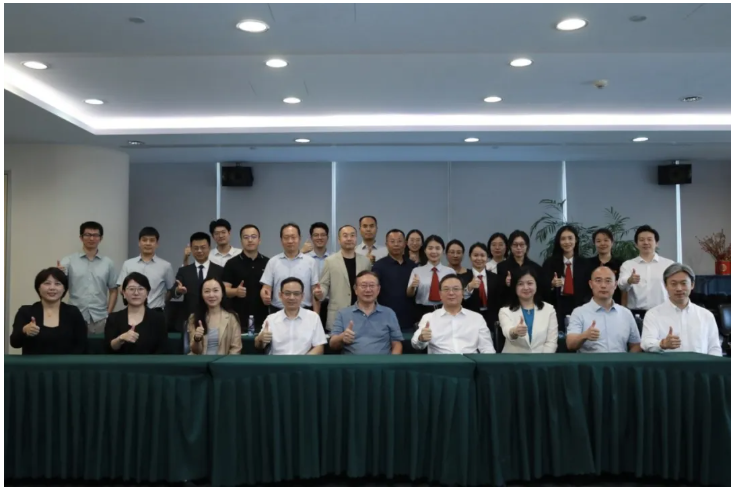
From the dialectical exchanges on the competition stage to the professional debriefings and reflections, and from the mentorship and guidance of senior attorneys to the young lawyers gathering strength for their next steps, this competition not only showcased the solid professional competence and spirited, forward-looking attitude of King&Capital’s young legal professionals but also solidified the firm’s growth system for routine practical training. The journey continues, and the pursuit of excellence never ends. In the future, King&Capital Law Firm will continue to deepen its regular courtroom training mechanism, uphold the original mission of criminal defense, and hone professional skills, enabling young lawyers to grow and thrive through repeated real-world challenges and to embark on a new journey toward the rule of law with their professional expertise.