

On November 29, 2025, the launch of “Handbook for Handling Food and Drug Cases” and the Seminar on Legal Issues of Industry, Academia and Research in the Field of Environment, Food and Pharmaceuticals were successfully held in the Multi-functional Hall on the 22nd floor of Beijing King&Capital Law Firm. The event gathered well-known experts and scholars in the fields of law, food science, Chinese medicine, public security and other fields, as well as industry representatives, to conduct in-depth discussions on the legal practice issues and response programs in the deep integration of industry, academia and research in the field of environmental food and medicine around the release of the new book.
New Book Release: Practical Achievements Recognized by All Sectors
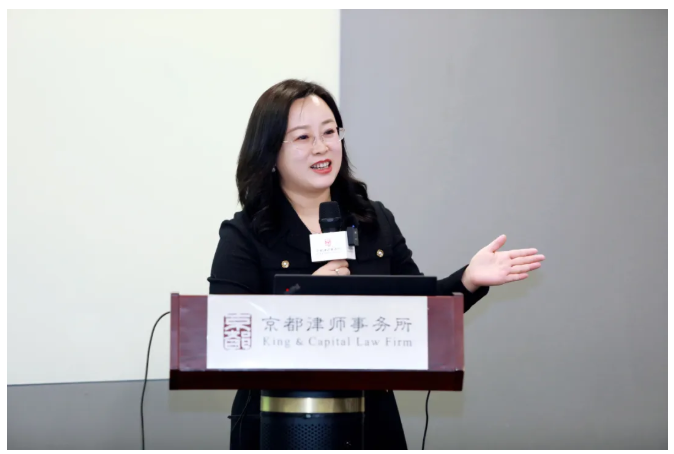
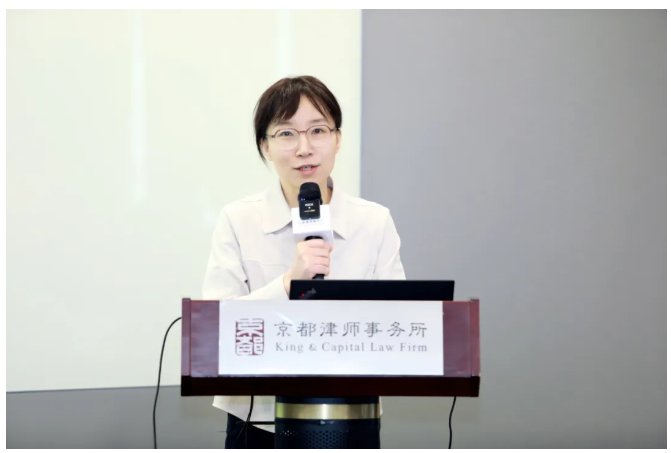
The conference was hosted by Zhang Sijia, Deputy Director and Secretary General of King&Capital Law Firm. In the guest speech, many experts and scholars highly appraised the value of the publication of “Handbook of Food and Drug Cases” from different perspectives.
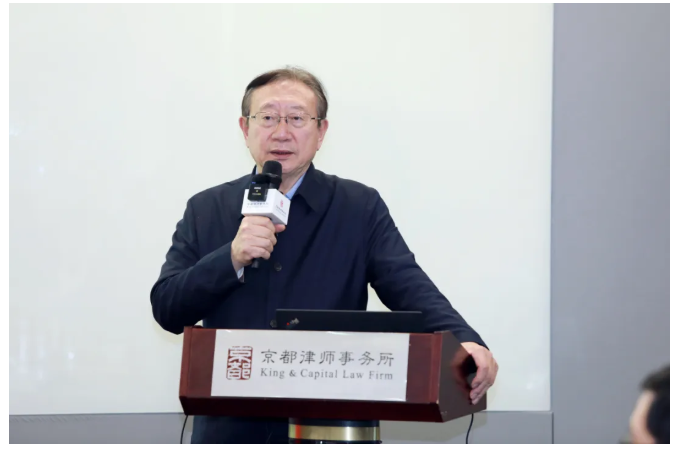
Mr. Tian Wenchang, Honorary Director of King&Capital Law Firm, pointed out in his speech that: firstly, King&Capital Law Firm has accumulated more than 140 books, and this Handbook is only one of the achievements, so it is necessary to maintain humility and avoid complacency; secondly, at present, the research on the prevention of food and drug offenses is getting more and more attention in the legal academy. Our lawyers have made unremitting efforts and achieved results in this field, and the publication of this book will play a positive role in promoting the industry and responding effectively to the reality of social concerns; third, the importance of this book is not only embodied in the professional content, but also in the positioning and form of its tools, so as to make it more valuable to use and "grounding Thirdly, the importance of this book is not only reflected in its professional content, but also in the positioning and form of the tool, making it more valuable and “grounded”.
He recalled the predicament of the lack of law books in his early years of study, and pointed out that there is also the problem of disconnecting theory and practice in the current academic world. He emphasized that books should be written with an eye to solving practical problems, and this book is exactly that - practical, ready to use, which reflects the spirit of the King&Capital Law Firm “learning to use, focusing on practicality”. Tian Wenchang said, King&Capital Law Firm has always adhered to the academic style of not superstitious authority, focusing on the close integration of theory and practice, and he hopes that the book can really achieve both theoretical height and far-reaching practical significance, so as to achieve the original purpose of publication.
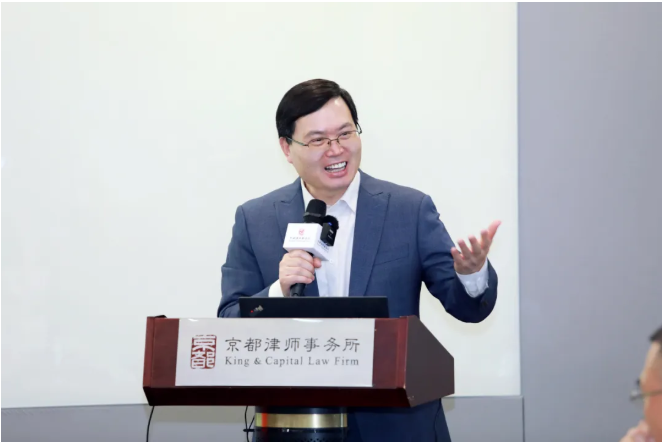
The president of Beijing Food and Drug Safety Rule of Law Research Association, Prof. Su Yupeng of University of International Business and Economics shared his feelings of reading the book in advance. He believes that the manual is distinctly contemporary, highly professional and clearly systematic, and is both a reflection of the professional competence of King&Capital Law Firm lawyers and a practical guide for frontline case handlers. He suggested that cross-institutional collaboration should be strengthened in the future to promote regular updating of the handbook and to expand it to civil, administrative and other cross-cutting legal fields for more extensive research.
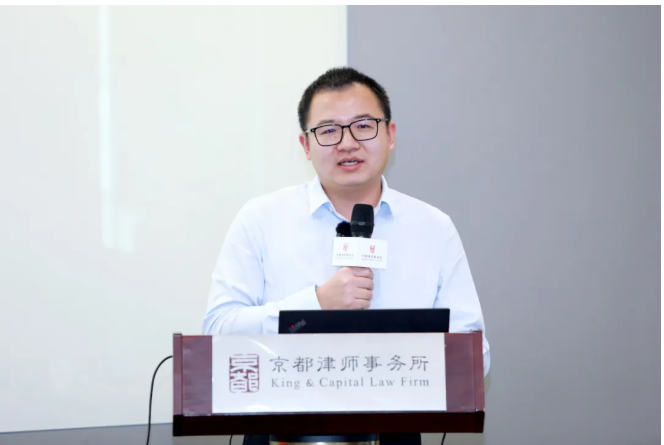
Mr. Xu Yang, Secretary of the Law School of Beijing Technology and Business University, congratulated the publication of the book. He pointed out that this book, as the latest achievement of more than 140 books written by King&Capital Law Firm over the past 30 years, has gathered the wisdom and efforts of all colleagues, and is not only an important contribution to the legal practice community, but also a positive response to the governance challenges in the field of food and drug, and it will be used as an important high-level toolkit and reference for teaching in the graduate education of the School of Law in the future.
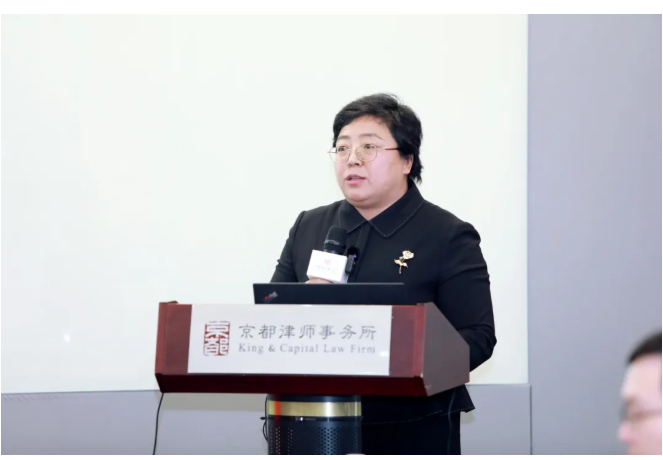
Li Yumei, vice dean of the School of Humanities and Development of China Agricultural University, emphasized the importance of food and drug safety as a fundamental concern for people's livelihood. She believes that the release of the handbook comes at the right time and is a reflection of the legal practice community's active response to governance challenges. Li Yumei reviewed the good cooperation that already exists between the college and King&Capital Law Firm, and looked forward to further deepening cooperation in the future in the areas of food safety policy research, agriculture-related legal counseling, and the cultivation of composite rule of law talents.
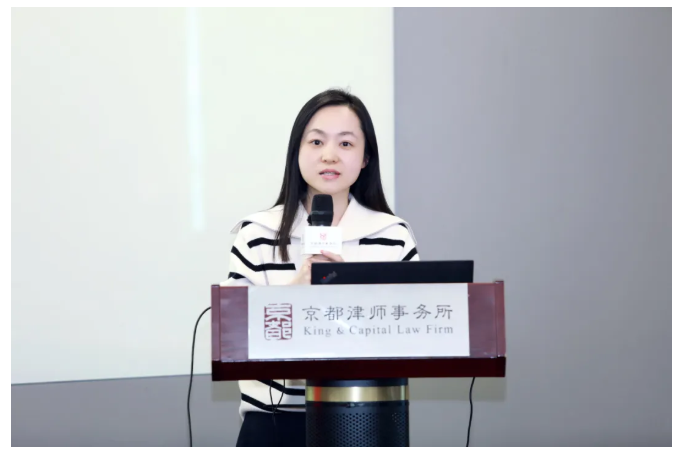
Dong Yu, Director of the Law Press, shared her feelings from the perspective of publishing. She said that the manual “pragmatic, practical” qualities have been positive feedback from the market, less than a month after the listing of sales of nearly 3,000 copies, reflecting the industry's urgent need for high-quality professional content. She expects the book to continue to fulfill its value, and welcomes more legal practitioners to join the professional publishing ranks and contribute to the construction of the rule of law.

Afterwards, a concise but grand book launching ceremony was held. Lawyer Tang Jianbin, author of the book, senior partner of King&Capital Law Firm and director of the Center for Environmental, Food, Drug and Knowledge Law Research, gave a detailed introduction to the new book.
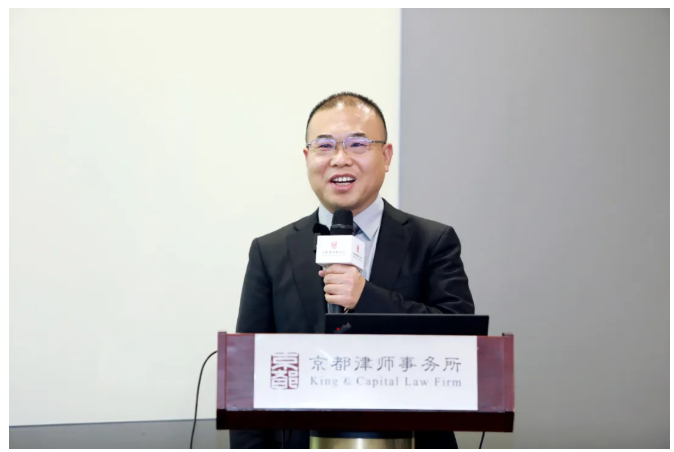
He reviewed the compilation process of the manual, which lasted one and a half years, and pointed out that the book aims to respond to the many new issues and challenges that have emerged in judicial practice against the background of the state's policy of implementing the “toughest regulation” in the field of food and drugs. The whole book to the criminal case process as the main line, systematic sorting out from the clue investigation to the trial stage of the key links, more than twenty related crimes for in-depth analysis, but also supplemented with a large number of practical charts, and strive to become a case officer can be readily accessible to the desktop toolkit. Mr. Tang Jianbin further said that this release is not the end, but a starting point for “unfinished business”. King&Capital Law Firm will continue to update the content of the manual, has planned to prepare a series of monographs on the prevention and control of criminal risks in the food, drug and other industries, but also gradually build the practical knowledge system in this area, to promote the progress of the rule of law to contribute to the professional power.
Thematic Discussion: Cross-border Dialogue to Explore the Path of Governance
Session I:
Industry experts talk about the practical problems in the industry-university-research of environmental food and medicine
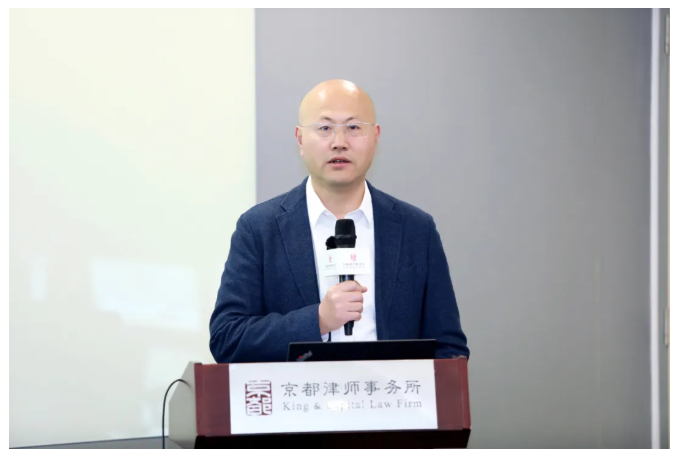
In the seminar session, Chu Changzhi, Managing Partner and CEO of King&Capital Law Firm, presided over the topic of “Industry Experts' Discussion on Practical Problems in the Industry-University-Research of Environment, Food and Pharmaceuticals”.
Prof. Wu Guangfeng from the School of Food Science and Nutritional Engineering of China Agricultural University shared the practical issues in the construction of food safety regulation system from the perspective of food science. Prof. Wu pointed out that traditional food majors aim to train engineers and scientists, but with the emergence of technical barriers to trade after China's accession to the WTO, the importance of safety standards and regulations has come to the forefront, prompting colleges and universities to gradually incorporate laws and regulations into their professional development.
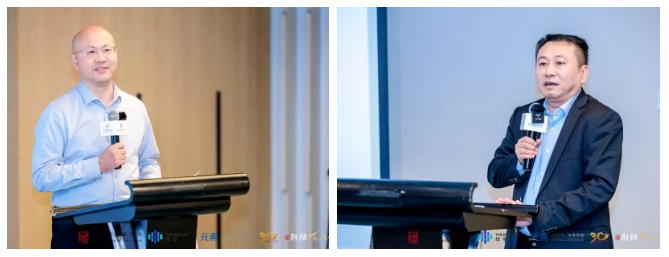
Prof. Wang Chengtao of Beijing Technology and Business University deeply analyzed the core contradictions and public cognitive misunderstandings in the current food safety governance from the perspective of food science. He pointed out that since the implementation of the strictest Food Safety Law in 2015, the regulatory system has achieved remarkable results, but at the same time, it is also faced with the practical tension between “strict enforcement” and “equal punishment”, for example, how to reflect the proportion of the punishment for small and micro-operators, which still needs in-depth exploration by the legal profession. For example, how to reflect the proportionality of penalties for small and micro-operators needs to be explored in depth by the legal profession.
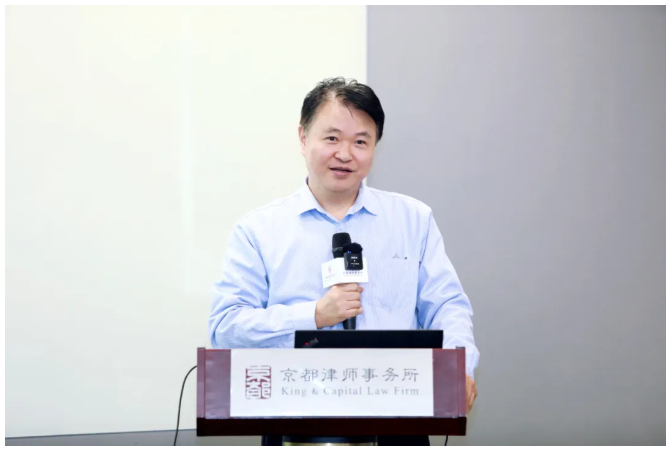
Prof. Deng Yong, Beijing University of Chinese Medicine
Prof. Deng Yong of Beijing University of Traditional Chinese Medicine, in his speech, firstly congratulated the publication of the Handbook of Food and Drug Cases, which is an important practical reference for the industry. Combining his own practice experience in Beijing Dacheng Law Firm and his experience as a legal advisor to many governmental organizations, enterprises and institutions, he pointed out that food and drug law and governance is an area to which the state attaches great importance, and with the revision of relevant laws and regulations and the development of the Internet economy, it has become a “blue ocean” of common concern for the academia and the practical world.
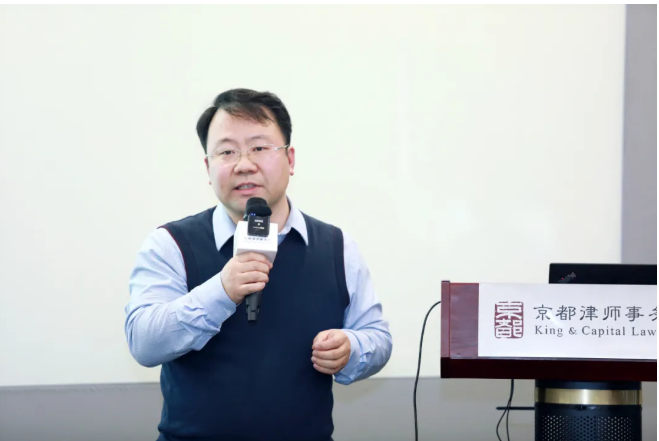
Zeng Wenyuan, Vice President of the People's Public Security University of China
Associate Professor Zeng Wenyuan of the People's Public Security University of China reflected deeply on the governance logic of food and drug safety crimes from the perspective of the intersection of criminal rule of law and administrative supervision. He pointed out that food and drug safety crimes are essentially “risky crimes”, and their constitutive elements should not be premised on harmful outcomes, which has led to a significant shift in the front of the criminal law's combat surface. In this context, it is important to be wary of over-involvement of the criminal law and the need to establish a reasonable boundary of incrimination.
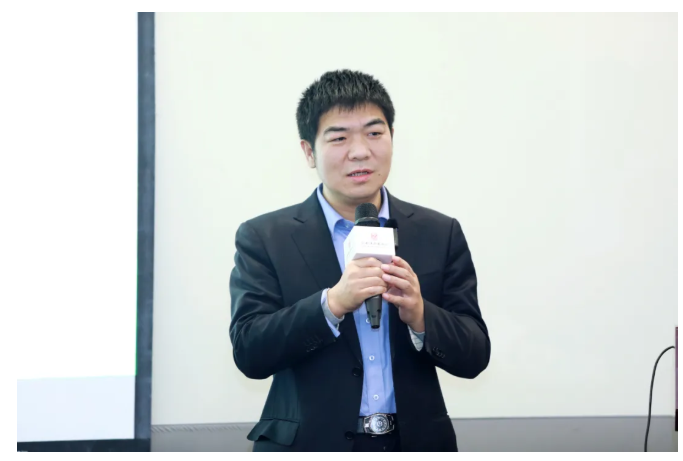
Wang German, dean of the School of Food and Pharmacy at Xuchang College, pointed out that the problem of adulteration and counterfeiting in the field of Chinese herbal medicines is extremely serious and technologically insidious. The current Chinese Pharmacopoeia relies on flawed active ingredient testing methods, and some counterfeits even contain higher levels of active ingredients than the genuine article, which makes it difficult to distinguish between the real and the fake by traditional means of identification. In addition, with the shortage of raw materials (e.g., donkey hides), the risk of counterfeiting will be further exacerbated.
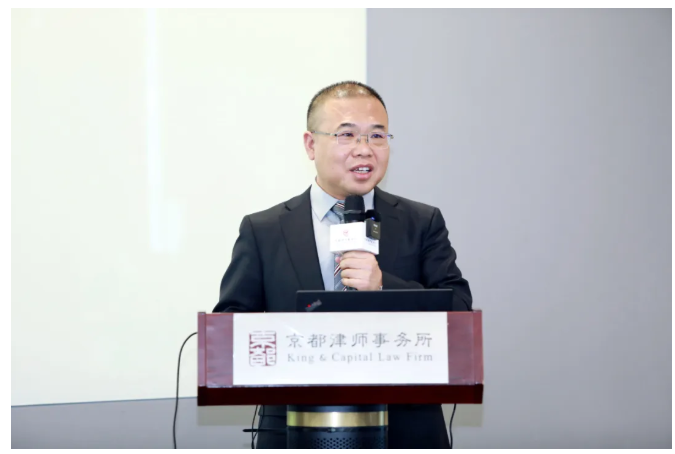
Tang Jianbin, Director of King&Capital Law Firm, highly valued the value of the cross-border seminar in his talk with, believing that the in-depth participation of industry experts is crucial to clarifying professional difficulties in food and drug cases, and avoiding legal miscarriages of justice. He responded to the core views of the five experts one by one: for the dilemma of special food characterization pointed out by Prof. Wu Guangfeng, he used the case of “Indian aphrodisiacs” as an example to illustrate that the complexity of the demarcation between food and drugs urgently needs the opinions of the scientific community; for the “dosage principle” emphasized by Prof. Wang Chengtao, he deeply agreed with him and believed that it is important for the industry experts to participate in the cross-border seminar. He agrees with Prof. Wang Chengtao's emphasis on the “dosage principle”, pointing out that this is the key yardstick for distinguishing between administrative violations and criminal offenses, and agrees that we should rationally look at the technological value of food additives and prepared dishes; he explicitly supports Prof. Deng Yong's initiative of setting up an industry alliance, believing that this is of practical significance in solving the cross-cutting problems of Chinese medicine, such as transformation of Chinese medicine formulas; and he echoes Prof. Zeng Wenyuan's discussion on the connection between administrative offenses and criminal offenses. He echoed Professor Zeng Wenyuan's discussion on the convergence of execution and punishment, which must strictly grasp the defense of the premise of administrative violations; he fully affirmed the breakthrough of the genetic testing technology demonstrated by President Wang De, and expected that the technology could be accelerated into a legal basis for identification to deal with the practical pain points of the counterfeiting of Chinese herbal medicines and the safety of medication. Mr. Tang concluded that lawyers must uphold an open and pragmatic attitude and deeply integrate industry knowledge in order to find a precise balance between guarding security and safeguarding justice under the rule of law.
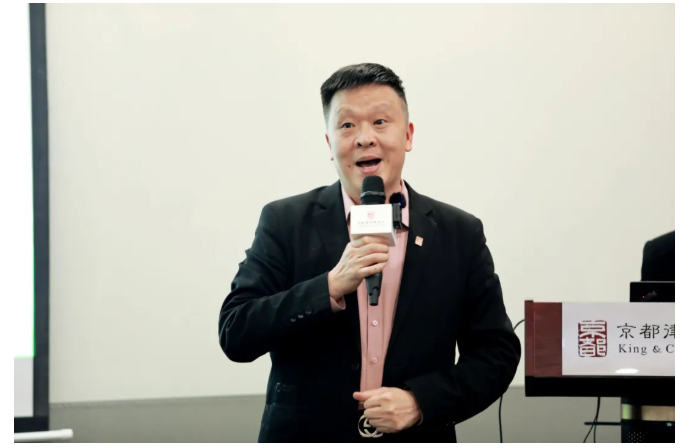
Mr. Zhang Yongfu, Deputy Director of King&Capital Law Firm, also briefly responded to the content of the seminar and looked forward to the future work. Firstly, he expressed his full agreement with the summary and response of lawyer Tang Jianbin to the speeches of the five experts. Secondly, he responded positively to the collaborative initiative proposed by Mr. Su, President of the Center, and indicated that he would focus on the field of food in 2026, strengthen the connection between the participating experts, and devote himself to the promotion of the comprehensive research and practice of administrative, civil, and criminal legal issues.
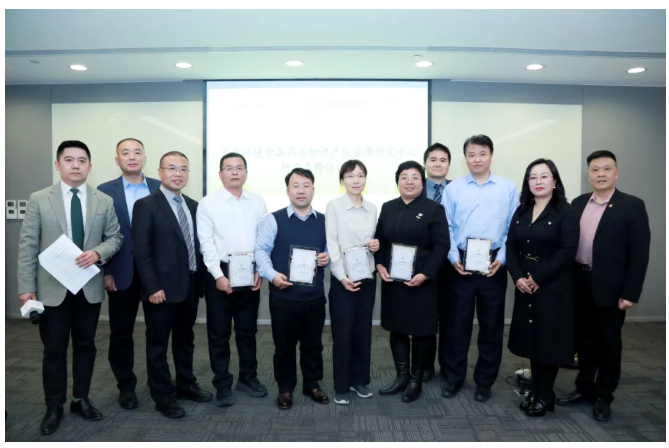
During the seminar, King&Capital Law Firm formally hired five industry experts to join the center's expert pool, marking an important step in the construction of the dual-track “law + industry” think tank.
Session II:
Legal experts talk about the legal response program of the industry, academia and research on environment, food and medicine.
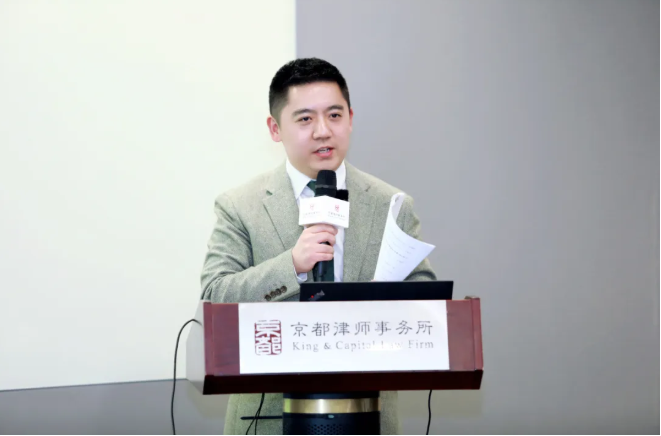
Afterwards, the seminar entered into the topic of “Legal Experts Talking about Legal Response Programs for the Environment, Food and Pharmaceutical Industry, Academia and Research”, which was presided over by Lv Yan, partner of King&Capital Law Firm and deputy director of Kyoto Center for Environment, Food and Pharmaceutical Law Firm.
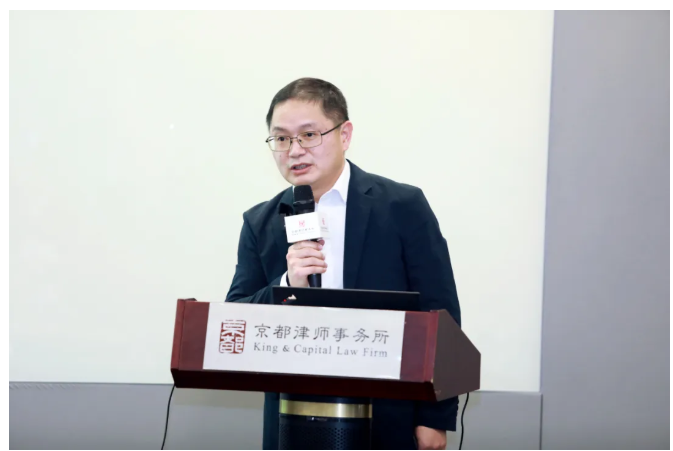
Prof. Yuan Bin of Beijing Normal University made a concise explanation of the legal response program in the field of food and drug industry from the dimensions of criminal policy and legal application. He pointed out that the criminal law needs to balance the dual goals of “strict punishment” and “safeguarding the healthy development of the industry” in the management of food and drug crimes, and that in practice, due to the difficulty of proving the substantive harm, there exists a certain degree of tendency to formalize the incrimination of crimes, and that the soft revision of the latest judicial interpretation reflects the policy orientation of seeking a balance. The soft revision of the latest judicial interpretation reflects the policy orientation of seeking balance. Professor Yuan emphasized that criminal means should be kept modest, and its precise application depends on the clarity of legal rules and the improvement of the antecedent law system, so as to realize the organic unity of combating crimes and protecting the vitality of the industry.
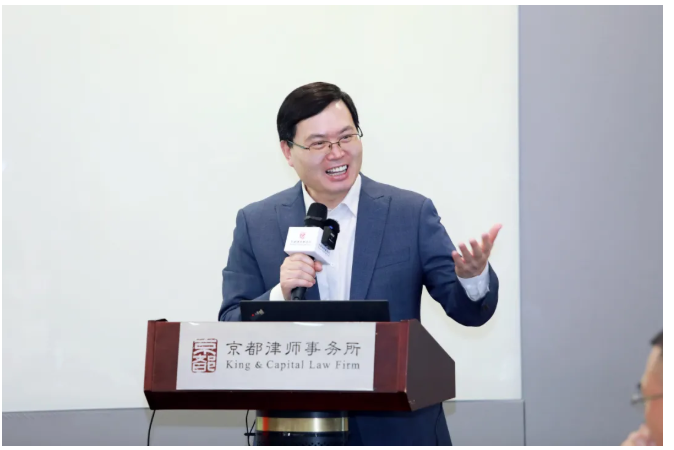
Prof. Su Huabeng, Chairman of Beijing Food and Drug Safety Rule of Law Research Association and Professor of University of International Business and Economics, focused on the legal regulation and consumer protection of the prepared food industry and made an in-depth analysis of the issue. He pointed out that the current policy has a one-way imbalance of “emphasizing industry and neglecting rights and interests”, and the core contradiction lies in the disconnection between industry development orientation and consumer protection. In this regard, he put forward systematic recommendations: the first task is to formulate national standards and safeguard consumers' right to know; catering operators should publicize the use of prepared dishes; the scope of regulation should be extended from “prepared dishes” to “prepared food”; and special legislation should be initiated to establish the regulatory framework in the regulations or the Food Safety Law. Specialized legislation should be initiated to establish a regulatory framework in regulations or the Food Safety Law; and consumer education should be strengthened to guide society to develop scientific knowledge.
Mr. Zhang Sijia, Deputy Director of King&Capital Law Firm, and Mr. Yan Huainan participated in this session as panelists.
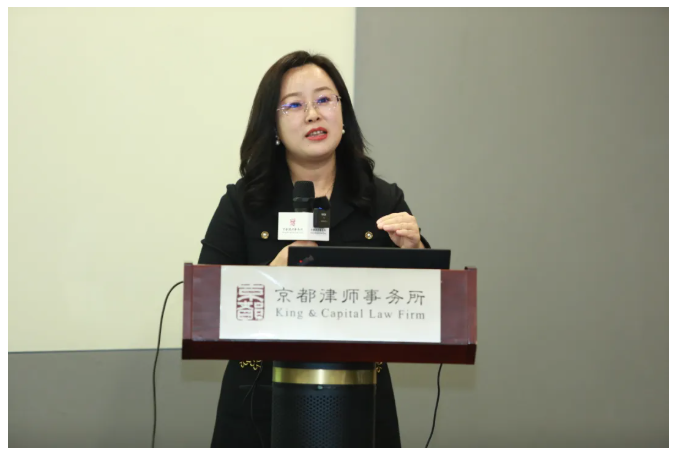
Zhang Sijia, Deputy Director, explained the governance of food and drug crimes and lawyers' response strategies in the light of criminal defense practice. She pointed out that macro-governance requires legislation, judiciary, administration and academia to work together to improve the system, while micro-level needs to gather the consensus of the legal professional community. As a lawyer, her core contribution is to realize “effective defense” through individual cases.
She to two cases, reveals the current judicial practice of the outstanding problems: First, in Hebei, a nitrite exceeds the standard case, the same kind of exceeds the standard in different provinces of incrimination (respectively, double, triple, four times), resulting in the same case of different sentences, which highlights the lack of standardization of sentencing and law enforcement standards of the geographic fragmentation; Second, in yunnan, a “fake drug” case, the “fake drug” involved in the case, the “fake drug” case, the “fake drug” case is not the same, but the “fake drug” case is not the same. “ case, the ”red and yellow capsules" involved in the determination of vague standards, which exposed the administrative determination and criminal justice interface is not smooth, the application of the crime is not based on the general dilemma. Deputy Director Zhang Sijia emphasized that the defense of food and drug crimes must adhere to the “human health hazards as the core” of the substance of the judgment standards, and attach great importance to the interface between the execution of the criminal justice; lawyers should first examine whether the behavior is a violation of the previous administrative regulations, and if the administrative law is not established, the basis of the criminal offenses will no longer exist. Finally, she called for deepening the integration of “industry, academia and research”. In view of the strong specialization and controversy of food and drug execution and criminal cases, King&Capital Law Firm is looking forward to strengthening cooperation with universities and colleges, and jointly promoting the progress of the rule of law in the field of food and drug and the enhancement of the level of criminal governance through the complementarity of strengths and sharing of resources.
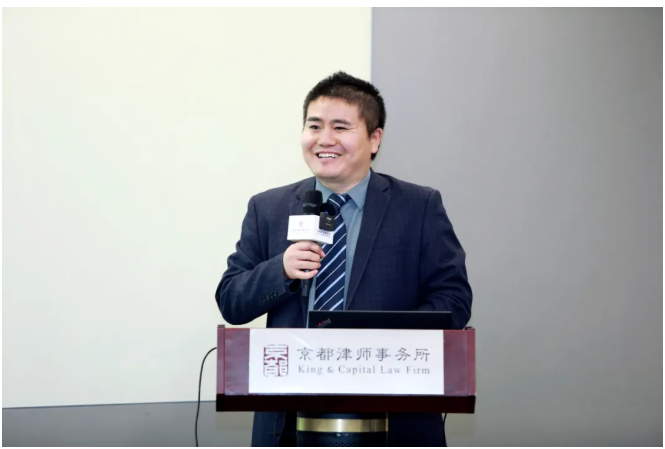
Mr. Yan Huainan, Deputy Director of King&Capital Law Firm Eco-Food, Pharmaceutical and Knowledge Law Research Center, in his summary and talk, looked forward to the future development path of the center with the concept of “one-stop” as the core. He pointed out that this conference and the release of the new book realized two “one-stop”: first, the “Food and Drug Case Handbook” itself serves as a one-stop practical tool, providing comprehensive guidelines for handling related cases; second, through the innovation of the “industry-academia-research” model, it bridges the gap between the legal profession and the food, drug, environmental and other legal professions. Secondly, through the innovation of the “industry-university-research” model, the barriers between the legal profession and the specialties of food, drugs and environment have been broken down, forming a one-stop platform for the integration of knowledge and resources. In his opinion, this kind of cross-border integration is opening up a “blue ocean” of legal services.
Summary of the meeting: Building consensus for a new journey together
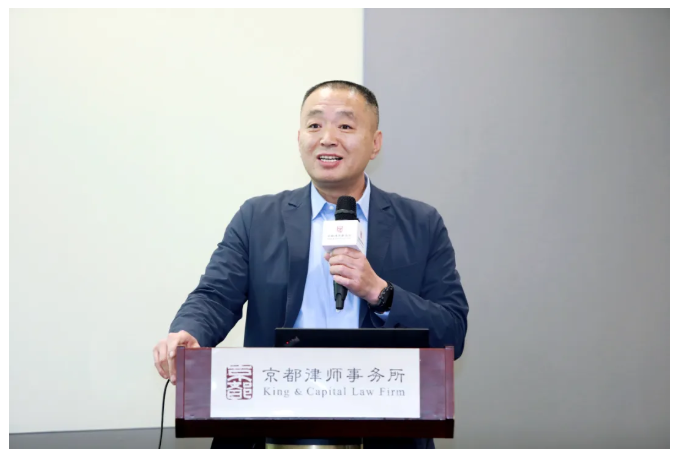
Mr. Wang Zhiqiang, Deputy Director of King&Capital Law Firm, summarized the conference with the framework of “Three Rises and Three Falls”. The “three ups” summarize the results of the conference: the smooth launch of the new book, the profound inspiration brought by the sharing of industry experts, and the theoretical enlightenment provided by the response of legal experts. The “three falls” clearly define the future direction: to promote the alliance's initiatives to be heard, to implement the series of plans relying on the expert pool and the network of sub-centers, and to use the center as an open platform to invite people from all walks of life to settle down for exchanges. He cited the saying “The road is as strong as iron, and the steps we take today are from the beginning” as a conclusion, indicating that the Center will continue to contribute to the construction of the rule of law in the field of food and drug safety with the support of all parties.
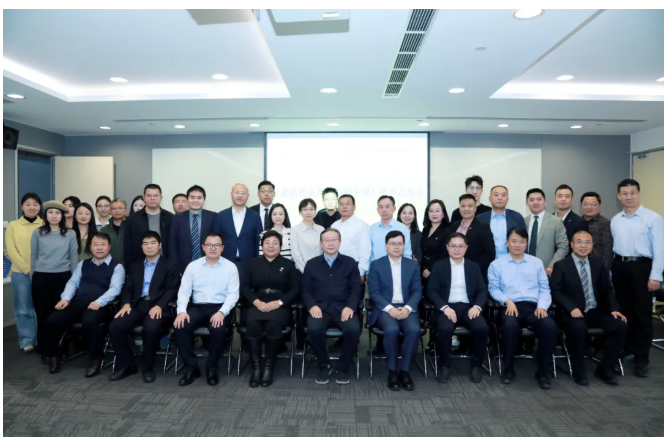
At this point, the launch of “Handbook for Handling Food and Drug Cases” and the Seminar on Legal Issues of Industry, Academia and Research on Environment, Food and Drugs were successfully concluded!