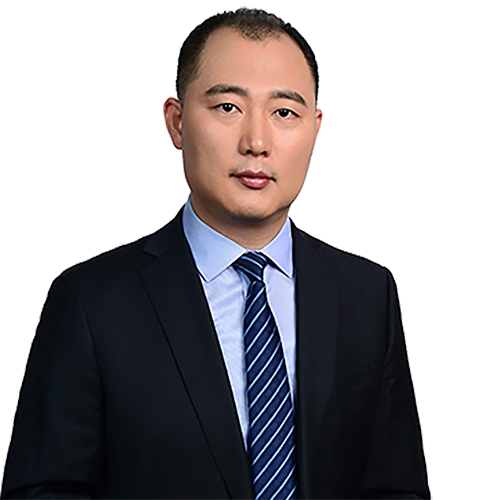


On April 27, 2026, a seminar on complex issues related to the “Judicial Interpretation (II) on Embezzlement and Bribery” was successfully held in Conference Room 814 of the Comprehensive Building at the Xueyuan Road Campus of China University of Political Science and Law. The event was jointly organized by the School of Criminal Justice at China University of Political Science and Law and King&Capital Law Firm. Wang Zhiyuan, Executive Dean of the School of Criminal Justice at China University of Political Science and Law; Guo Zhiyuan, Vice Dean; Shi Fang, Director of the Institute of Criminal Law; Yu Guodan, Director of the Institute of Criminology; Wang Kangqing, Deputy Director of the Institute of Criminology; Shang Xixue, Deputy Director of the Institute of Cyberlaw; and Zheng Yi, Director of the Training Office of the School of Criminal Justice; Tian Wenchang, Founder of King&Capital Law Firm; and Senior Partners Liu Lijie, Nie Sufang, Weng Xiaoping, Wang Xintong, Cao Shuchang, Yang Zhaodong, Jin Jie, and Xia Jun attended the symposium. Experts, scholars, and legal practitioners gathered to focus on cutting-edge and complex issues in the judicial interpretation, discussing the deep integration of theory and practice, and jointly launching a professional, precise, pragmatic, and efficient academic symposium on criminal law.
Opening Remarks
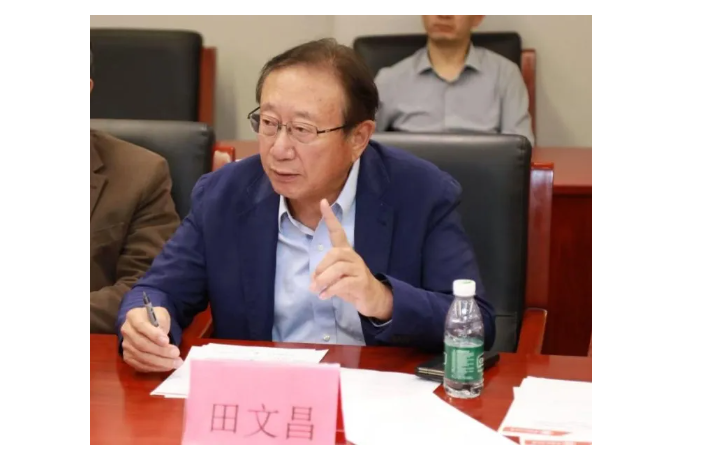
Attorney Tian Wenchang opened his remarks with the metaphor of “returning home,” fondly reflecting on the 43-year development of the criminal law discipline at China University of Political Science and Law. He expressed his excitement that the university’s criminal law discipline has now regained its leading position nationwide. Attorney Tian Wenchang pointed out that the development of the criminal legal system must overcome three major disconnects: the disconnect between substantive and procedural law, the disconnect between theory and practice, and the disconnect caused by barriers between disciplines. He emphasized that university-institute collaboration must not remain merely on paper; instead, it should drive the advancement of the rule of law through specific cases and use research to inform judicial practice, thereby truly establishing a closed-loop integration of industry, academia, and research.
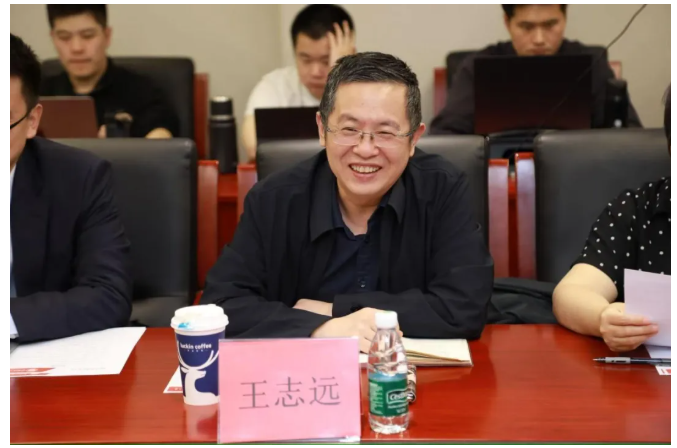
Dean Wang Zhiyuan summarized Attorney Tian Wenchang’s remarks using three keywords: warmth, history, and substance, and systematically introduced the achievements of the School of Criminal Justice in building a “criminal justice integration” framework. Dean Wang noted that in recent years, the school has integrated five major disciplines—criminal law, criminal procedure, cyberlaw, criminology, and criminal investigation—breaking down disciplinary barriers to achieve curriculum integration, regular interdisciplinary seminars, and routine doctoral salons; In terms of talent cultivation, the school balances the development of substantive judgment capabilities with procedural and evidentiary review skills. With a robust research capacity among its young faculty, the school’s overall strength consistently ranks among the top in the country. Dean Wang Zhiyuan also noted that the school’s integration of industry, academia, and research currently requires in-depth support from law firms and other practical institutions to jointly transform theoretical research into practical productivity.
Thematic Discussion
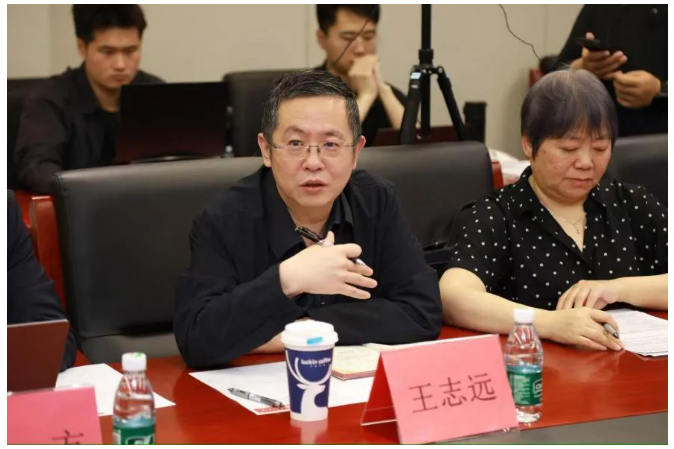
Dean Wang Zhiyuan shares his insights on “The Exclusionary Effect of Provisions on Specific Aggravating Circumstances in the Interpretation (II)”
Dean Wang Zhiyuan argued that the aggravating circumstances specified in “Interpretation (II)” are indicative provisions and should not preclude other reasonable grounds for aggravation. Interpreting them as exhaustive clauses could easily lead to judicial mechanicism and injustice in individual cases.
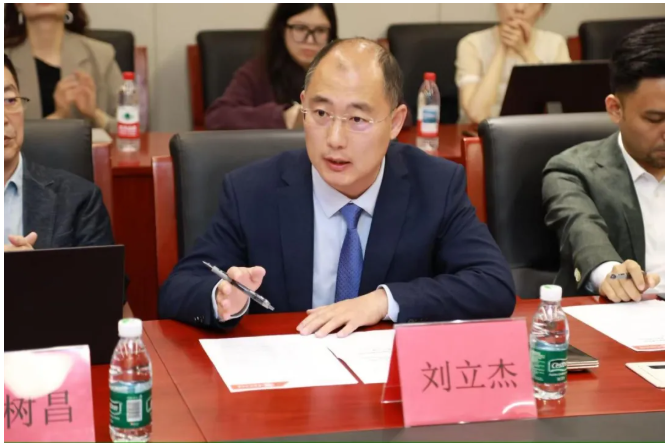
Attorney Liu Lijie presents “Ten Urgent Issues in Handling Official Duty Crime Cases”
Attorney Liu Lijie identified ten major practical issues in handling official misconduct cases, highlighting problems such as poor coordination between prosecution, police, and procuratorial procedures; restricted access to case files during detention; the widespread practice of court-appointed defense; inconsistent standards for recognizing voluntary surrender; lack of transparency in verifying leads for meritorious conduct; a shift toward substantive requirements for proving embezzlement and bribery; the expansion of self-laundering; disparities in the investigation and prosecution of bribery and corruption; imbalances in sentencing for concurrent offenses, and the linking of restitution to the substitution of charges, elucidating the underlying tension between efficient and standardized anti-corruption efforts.
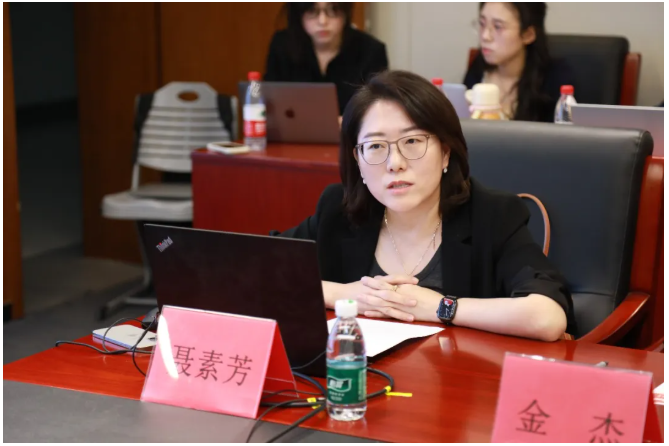
Attorney Nie Sufang Presents “The Further Expansion and Controversies Regarding the Determination of ‘Abuse of Official Position’ in Bribery Crimes Under ‘Interpretation (II)’”
Attorney Nie Sufang pointed out that Article 14 of “Interpretation II” incorporates “subordinate and supervisory relationships” into the scope of “taking advantage of official position” through judicial interpretation, while clarifying that such relationships are not limited to supervisory relationships or direct superior-subordinate relationships, posing a risk of expanding the scope of application. Attorney Nie proposed that the dual substantive criteria of “lack of free will” and “source of authority-based pressure” should be strictly upheld to prevent the blurring of boundaries between general bribery and mediation-related bribery, curb the expansion of the scope for determining “relationships of subordination or influence,” and avoid the narrowing of the space for substantive review.
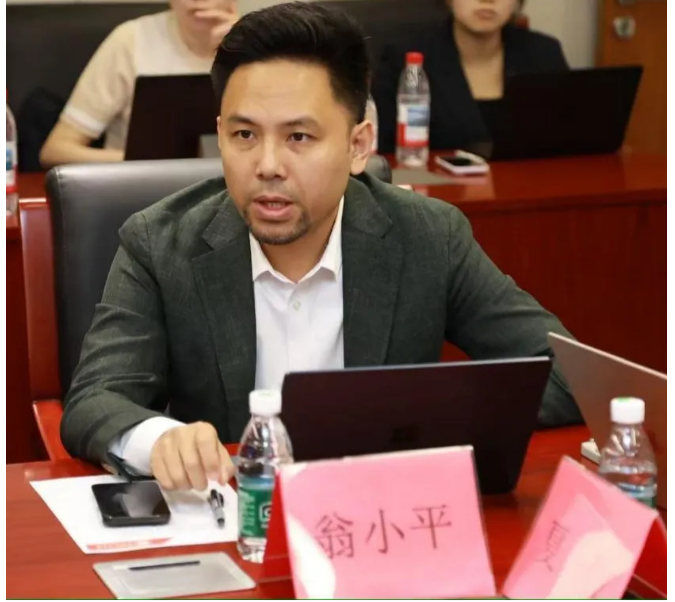
Attorney Weng Xiaoping presented “The Impact of New Provisions on Restitution and Asset Recovery in ‘Interpretation (II)’ on Sentencing and Property-Related Defense”
Attorney Weng Xiaoping noted that Articles 22 and 23 of “Interpretation II” establish criteria for recognizing voluntary restitution and a comprehensive asset recovery system, unifying judicial standards while simultaneously narrowing the scope for defense. He argued that defense strategies for official misconduct cases have shifted from focusing on the nature of the offense to emphasizing sentencing defense and asset recovery defense, requiring a focus on key points such as the voluntariness of restitution, the boundaries of asset recovery equivalent to the value of the bribe, and the recognition of restitution made by relatives or friends on behalf of the defendant.
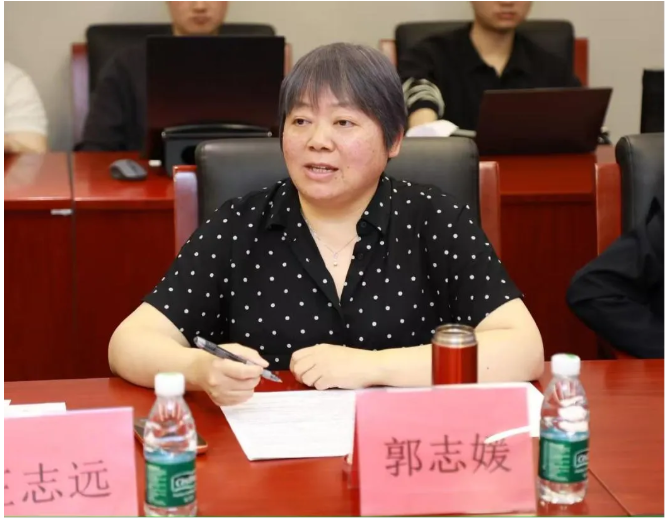
Vice President Guo Zhiyuan presented “The Impact of <Interpretation (II)> on the Criminal Procedure Law”
As a scholar of criminal procedure, Vice President Guo Zhiyuan offered a dialectical interpretation of <Interpretation (II)>: on the one hand, the clarified provisions have narrowed judicial discretion and restricted the scope for defense; on the other hand, they have made plea bargaining and negotiations between prosecution and defense more transparent. Vice President Guo believes that the focus of defense strategy should shift to the pre-trial review stage. Furthermore, “Interpretation (II)” provides clearer regulations on the disposal of case-related assets and standards for evidence review, offering the defense precise avenues for cross-examination.
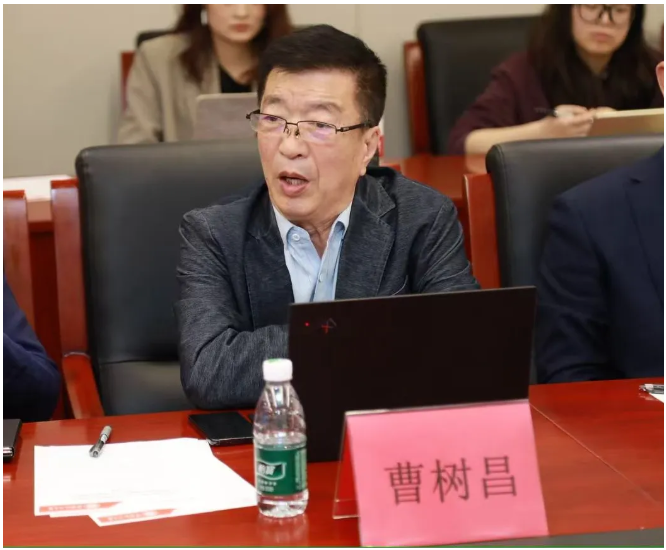
Attorney Cao Shuchang shares “Interpretation of Article 20 of the 2026 Judicial Interpretation (II) on Embezzlement and Bribery”
Addressing the rules for cumulative punishment in cases of “bribery involving public property combined with dereliction of duty,” Attorney Cao Shuchang emphasized, based on practical cases, the need to strictly examine the prerequisite of “concurrent commission,” distinguish between seeking legitimate and illegitimate benefits, and verify the direct causal relationship between the dereliction of duty and the resulting loss, rather than mechanically applying cumulative punishment.
I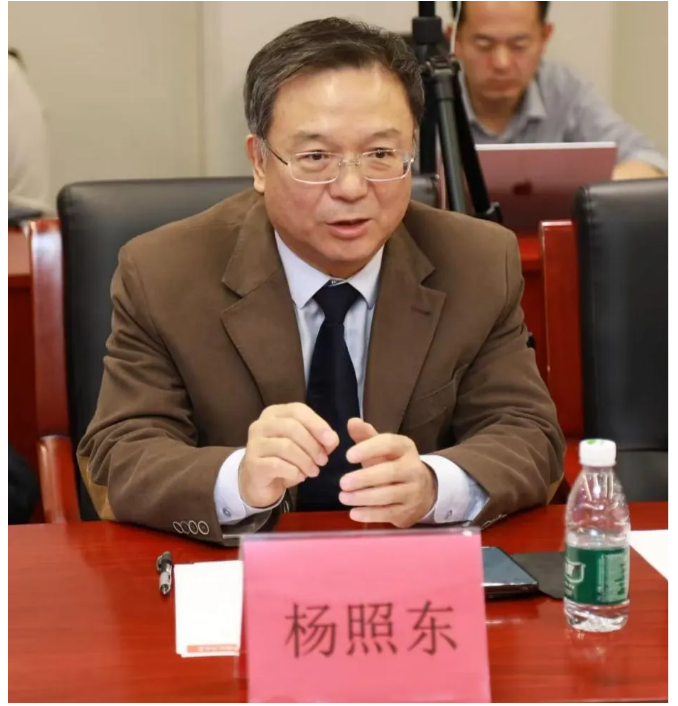
Attorney Yang Zhaodong shares “Key Defense Points in the Appraisal and Price Certification of Specific Property”
Attorney Yang Zhaodong focused on the pricing assessment of specific property such as jewelry and jade under Article 12 of the “Interpretation (II),” distilling key defense points: rigorously reviewing the CMA/CNAS accreditation of appraisal institutions and the specialized qualifications of appraisers; verifying the integrity of the chain of custody; clarifying that pricing assessments are not appraisal opinions, and that objections may be raised to request a review, etc.
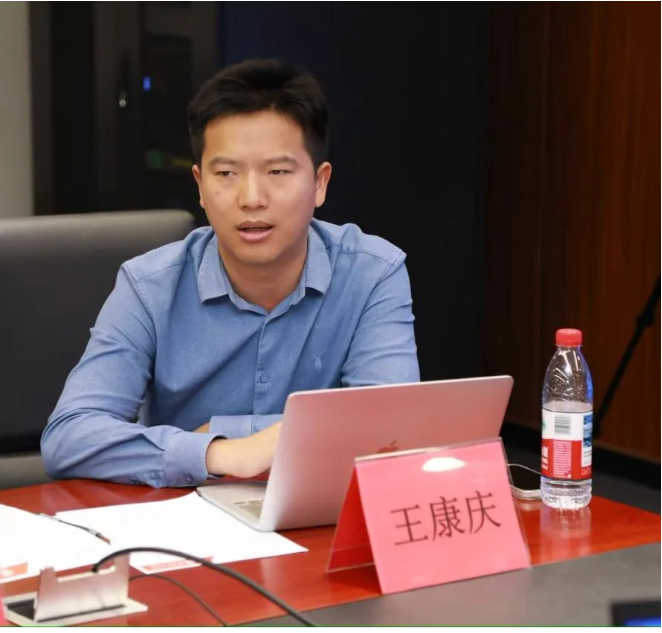
Deputy Director Wang Kangqing shares “The Substantive Approach and Operational Logic for Determining the Amount of Bribery Involving Virtual Currency”
Drawing on the systematic framework of Articles 8, 11, and 12 of “Interpretation II,” Deputy Director Wang Kangqing proposed that the determination of bribery amounts involving virtual currency should adhere to a substantive approach. He advocated for the application of a four-tiered logical framework—prioritizing the actual payment price, treating authorized purchases based on actual expenditures, determining value at the time of receipt when the value is unclear, and opting for the lower value in cases of doubt—to be applied progressively and in accordance with the law.
Image
Attorney Jin Jie presents “‘Reference’ Does Not Equate to ‘Blind Adherence’—A Discussion on the Application of the ‘Reference’ Provision in Article 8 of <Interpretation (II)> in Judicial Practice”
Attorney Jin Jie argues that the provision in Article 8 of Interpretation (II)—which states that occupational crimes committed by non-public officials should be assessed by reference to the standards for public officials—should not be applied mechanically. “Reference” does not mean “blind replication”; distinctions must be made regarding enterprise ownership structure, criminal motive, and degree of harm. Equal punishment does not equate to equal sentencing; the principle must balance equal protection with the proportionality of punishment to culpability.
Image
Director Shi Fang shares “Reflections on Regulatory Models for Occupational Crimes in Private Enterprises”
Director Shi Fang reviewed recent legislative trends regarding private enterprises and proposed that occupational crimes in private enterprises differ from those involving public power in terms of the legal interests infringed and the degree of social harm. He emphasized the need to prevent the one-sided application of Article 8 and avoid criminalizing civil disputes.
Image
Attorney Xia Jun presented “Distinctions Between Individual and Corporate Bribery Crimes and Defense Strategies Under the New Regulations”
Attorney Xia Jun interpreted Articles 15 and 16 of the “Interpretation (II),” elaborating in detail on the distinction between the crime of bribery accepted by an entity and the crime of bribery accepted by an individual, as well as the distinction between the crime of bribery offered by an entity and the crime of bribery offered by an individual. He also presented relevant defense strategies based on practical experience. Attorney Xia Jun proposed that during defense, particular attention should be paid to issues regarding the subject of the offense, whether the will of the entity is reflected, and the attribution of interests. He also noted that in cases of commingled assets, ownership can be clarified through financial audits.
Image
Director Yu Guodan shares “Interpretation (II) and the Determination of Voluntary Surrender in Official Duty Crimes”
Director Yu Guodan interpreted Article 21 of the “Interpretation (II)” from several perspectives, including whether the “voluntary surrender” stipulated in the article constitutes general or special voluntary surrender; the criteria for distinguishing between “already in the possession of” and “not yet in the possession of”; the specific offenses encompassed by “acts of embezzlement and bribery”; the determination of “a relatively large amount”; and the interpretation of “the vast majority of the criminal facts concerning the individual.”
Image
Attorney Wang Xintong presented on “The Judicial Expansion of Expected-Profit Bribery and the Boundaries of Defense”
Attorney Wang Xintong pointed out that Article 11 of the “Interpretation (II)” incorporates the equity premium at the time of the incident into the determination of the bribery amount. This marks a shift in the judicial evaluation focus from “what the defendant ultimately received” to “whether the defendant used their official position to secure a profit opportunity in advance,” indicating that the logic of bribery determination has evolved from tangible bribery to bribery involving property-related benefits. She noted that in judicial practice, three boundary risks must be guarded against: the uncertainty of expected returns should not be retroactively determined based on the outcome at the time of the incident; market-driven fluctuations in price at the time of the incident should not be indiscriminately included in the bribery amount; and formal analysis should not automatically presume the nature of bribery merely because of formal elements such as equity or dividends. Regarding defense practice, she emphasized the need to focus on examining the commercial authenticity of the benefit arrangement, the correspondence between the requested favor and the benefit arrangement, and whether the expected returns have reached a “concrete and certain” level. Furthermore, she stressed adhering to the principle of “in dubio pro reo” when determining the amount involved.
Image
Deputy Director Shang Xixue shares insights on “The Determination Standards and Practical Application of New Types of Bribery Crimes in the <Interpretation (II)>”
Deputy Director Shang Xixue focused on two major practical challenges: first, the sentencing balance between high-value attempted bribery and low-value completed bribery in cases where expected returns have depreciated; second, the boundaries of general intent in “elegant bribery” cases, and the determination of bribery amounts in situations where there is no agreement on the exchange of money for power or where the value of the item is misjudged.
Concluding Remarks
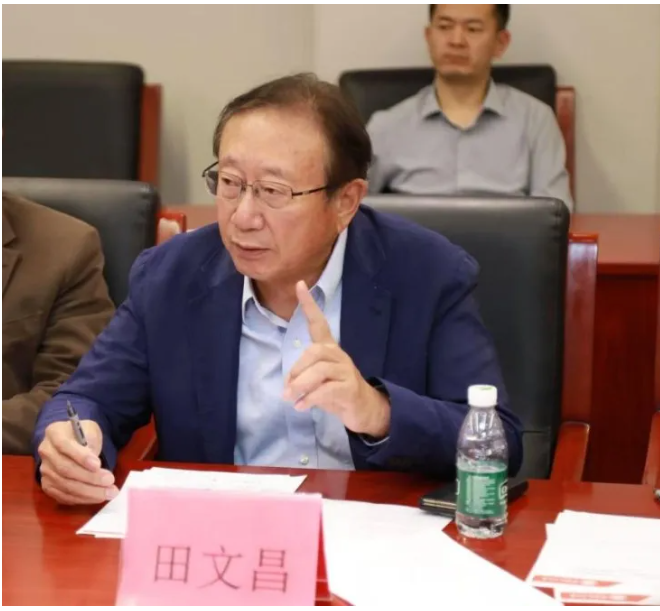
Attorney Tian Wenchang delivered the closing remarks, praising the seminar as “brief yet highly efficient, tackling major issues with precision and hitting the nail on the head.” Additionally, Attorney Tian Wenchang raised seven questions for further in-depth research: First, the determination of the boundaries of subordinate-superior relationships in official duty crimes; second, the boundaries between criminal piercing doctrine and the causal relationship under criminal law; third, the need to guard against a resurgence of analogical reasoning; fourth, the reasonable limitations on the cumulative punishment of multiple offenses under Article 20 of the “Interpretation (II)”; fifth, how to safeguard the defense’s right to initiate judicial appraisals; sixth, the legal basis for sentencing differentials between non-public officials and public officials; and seventh, whether promise-based bribery carries the risk of subjective criminal liability.
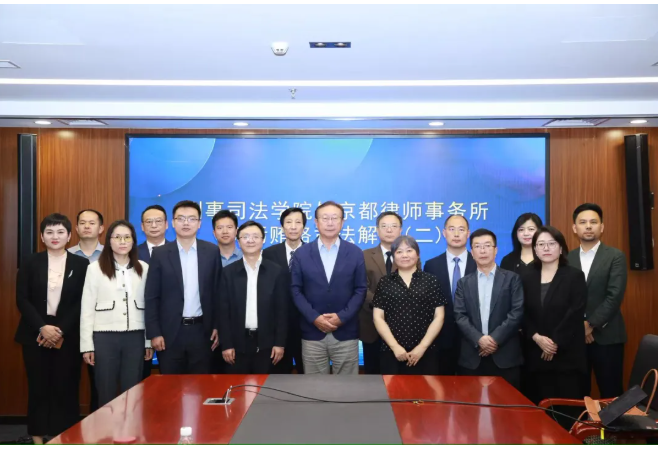
The successful conclusion of this seminar marks not only the first step in the joint establishment of the King&Capital Law Firm Defense Research and Teaching Base for Official Duty Crimes between the School of Criminal Justice at China University of Political Science and Law and Beijing Jingdu Law Firm, but also a significant milestone in deepening collaboration and solidifying the foundation of partnership between the university and the firm. Moving forward, the School of Criminal Justice at China University of Political Science and Law and Beijing King&Capital Law Firm will uphold the principle of win-win cooperation, continue to leverage their complementary strengths, focus on the key challenges and practical difficulties in the defense of official misconduct cases, and jointly conduct teaching, research, and practice-oriented education. They will promote the deep integration of legal education and judicial practice, continuously enhance the professionalization, vocationalization, and standardization of talent cultivation, and make a solid contribution to advancing the development of legal professionals and serving the nation’s rule of law initiatives.