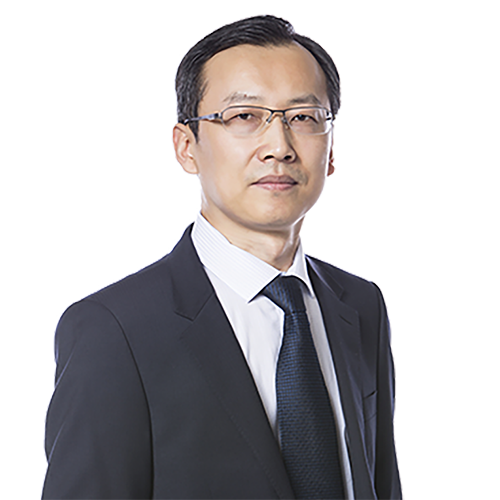

From May 22 to 24, 2026, the 16th Kyoto Criminal Defense Practical Training Workshop was held in Beijing. New and returning participants from across the country gathered to engage in practical exercises focused on courtroom questioning. The course was led by Tian Wenchang, Honorary Dean of the Advanced Institute of Criminal Defense at Northwest University of Political Science and Law, Founding Partner, and Honorary Director of King&Capital Law Firm, who served as the chief advisor. Zhu Yonghui, Director of King&Capital Law Firm, and senior partners Men Jinling, Wang Jiuchuan, and Liang Yali provided commentary and guidance as members of the advisory panel. Senior partners Xu Ying, Zhu Yalin, Weng Xiaoping, and Wang Xintong served as lead instructors, thoroughly covering the topic of courtroom questioning over the course of three days and two nights.
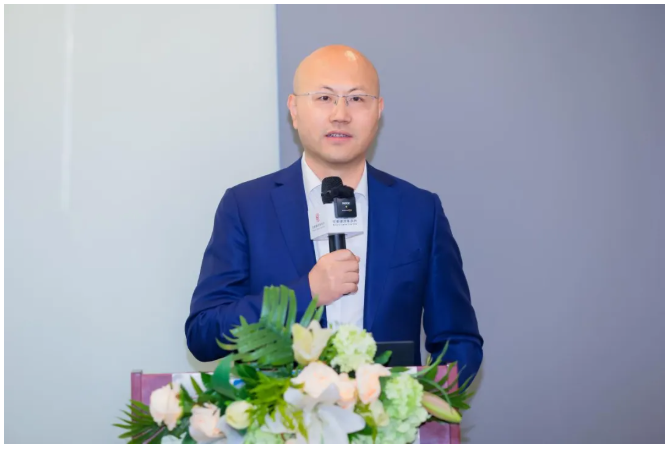
Chu Changzhi, Managing Partner and CEO of King&Capital Law Firm, presided over the opening ceremony and delivered remarks.
He first extended a warm welcome to all participants and provided a detailed introduction to the origins of this training program, its curriculum framework, and its six core courses, introducing each member of the advisory board and the team of lecturers. Reflecting on the substantial achievements accumulated over the past three years, he noted that the program has broken away from the traditional one-way classroom model, instead adopting a practical approach centered on seminars, discussions, and real-scenario simulations. Upholding a flexible and open learning philosophy, this criminal defense training model from the China University of Political Science and Law has earned a distinguished reputation in the industry and has been widely adopted. He also encouraged all participants to engage deeply by bringing their practical professional challenges to the program, to hone their defense skills through interactive discussions, and to achieve steady and tangible improvements in their professional capabilities.

Attorney Men Jinling delivered a speech focusing on core courtroom questioning techniques. She emphasized that every question posed in court serves a specific purpose. When interpreting statements during cross-examination, one must not limit oneself to the literal meaning but should discern the speaker’s true intent by considering their underlying motives. “The ability to conduct effective cross-examination can only be steadily improved through repeated practical application,” she noted. She expressed her hope that participants would immerse themselves in the two-day workshop, continuously refine their professional skills through practical application, and comprehensively enhance their ability to adapt to courtroom situations.
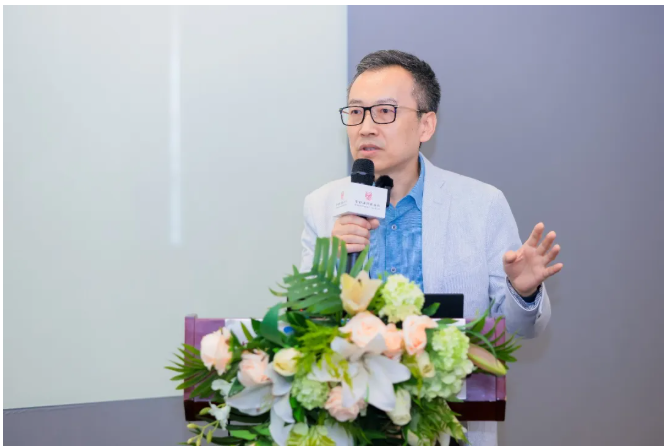
Attorney Wang Jiuchuan analyzed the value and key points of mastering cross-examination in court. He noted that while the cross-examination phase is often underestimated in practice, it profoundly influences the direction of a case. To excel in cross-examination, one must not only design a question framework in advance and precisely control the pace of the trial but also thoroughly understand the case details and strengthen logical thinking to respond calmly to on-the-spot changes. At the same time, he pointed out that questioning must balance rationality and emotion while carefully gauging the tone of expression; the process of learning to ask questions is also a process of honing critical thinking skills.
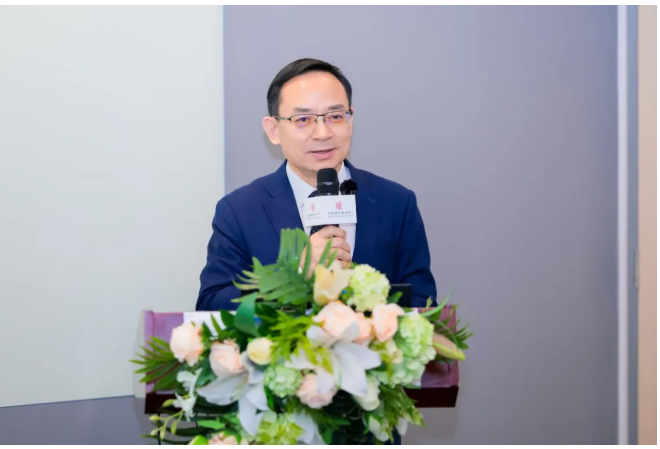
Attorney Zhu Yonghui defined this training session as a welcome gathering, a reunion of old friends, and a professional exchange. He noted that the King&Capital Criminal Defense Practical Training Program boasts a formidable faculty, with numerous senior attorneys and legal experts specially invited to serve as instructors. He emphasized that the King&Capital Criminal Defense Practical Training Program must move away from a one-way lecture format, instead encouraging participants to actively engage in discussions, express their views, draw insights from these exchanges, and refine their skills through practical exercises while advancing together. Regarding the theme of courtroom questioning for this session, he noted that the skill of cross-examination fully demonstrates a lawyer’s analytical prowess. The judicious use of open-ended and closed-ended questions can help uncover the truth of a case, and precise questioning at critical moments can strike directly at the heart of the matter.

Attorney Liang Yali addressed all participants with great enthusiasm. She noted that this course had been meticulously refined over several months by a team of instructors. Building upon the existing questioning training, the program expanded the range of training roles and introduced practical exercises involving multiple defendants, making the current curriculum more closely aligned with judicial practice. At the same time, she encouraged the participants to set aside any psychological burdens. She hoped that regardless of their level of practical experience, everyone would approach the learning with an open mind, engage in mutual exchange and collaboration during practical exercises, clarify their questioning strategies and objectives, and clearly define the facts of the case they wish to present to the court.

Attorney Xu Ying took the stage to share her insights. She emphasized that the core of this training program lies in practical exercises, noting that theoretical lectures alone often leave only a superficial impression; only through repeated practice can professional knowledge be transformed into instinctive actions. Citing real-life examples, she pointed out that even experienced lawyers are prone to deviations in their on-the-spot delivery, underscoring the critical importance of regular practice. She further explained that the training program includes more than ten practical exercises to ensure every participant has the opportunity to practice in court. She encouraged participants to thoroughly familiarize themselves with the case details in advance, identify and address gaps through on-stage exercises and peer reviews, and gradually develop professional case-handling thinking and muscle memory for court proceedings, thereby achieving a steady improvement in practical courtroom skills.
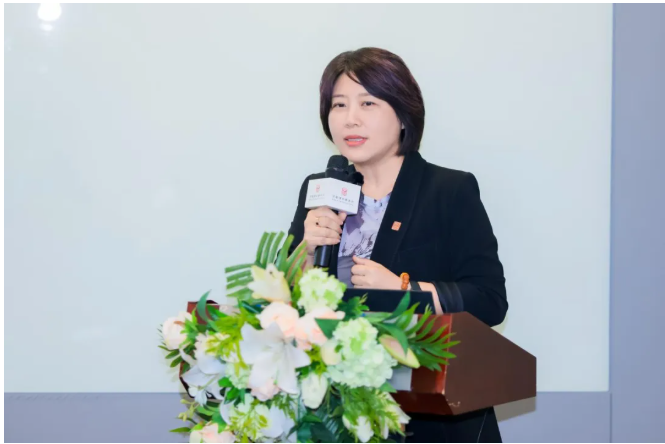
Drawing on nearly two decades of experience in criminal defense, Attorney Zhu Yalin noted that there are no fixed “correct answers” in courtroom questioning; everyone has room for continuous improvement and refinement. Even seasoned lawyers, when reviewing their own cross-examination, can always identify areas for improvement. Regarding the questioning of witnesses in court, she emphasized that having a witness appear in person is a rare opportunity—it is both a key chance to achieve a breakthrough in a case and carries inherent professional risks, so it must be treated with the utmost seriousness. In this regard, she urged the trainees to fully commit to the specialized witness examination drill scheduled for the following day, to cherish this practical training opportunity, and to accumulate experience and address their weaknesses through hands-on practice, thereby effectively enhancing their practical skills in courtroom questioning.
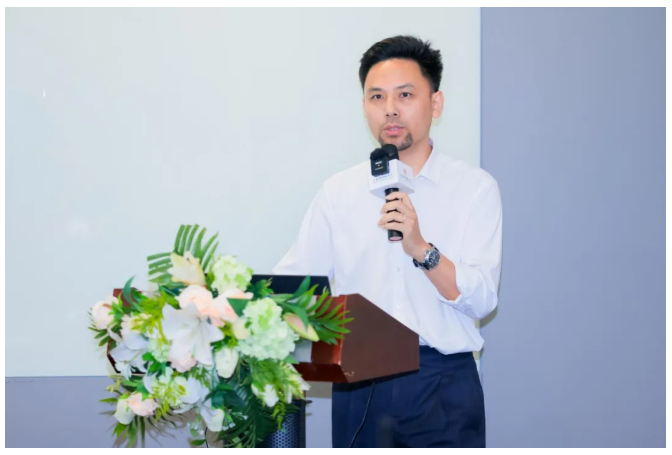
Attorney Weng Xiaoping, in line with the course schedule, advised the trainees to thoroughly review the case materials on questioning experts and expert witnesses in advance. He also recommended that they take the time to study practical materials on courtroom questioning in the common law system. He explained that the case materials provided for this training program comprehensively present procedures such as direct examination and cross-examination, clearly distinguish between various forms of questioning and courtroom objection rules, and cover specialized legal principles such as the admission of evidence and the assessment of witness testimony. He noted that courtroom questioning is not an isolated skill but is closely intertwined with cross-examination and courtroom debate. He encouraged participants to broaden their perspectives by drawing on international practical experience, thoroughly master the relevant knowledge points, fully commit to the upcoming practical training, and make mutual progress through discussion and study.
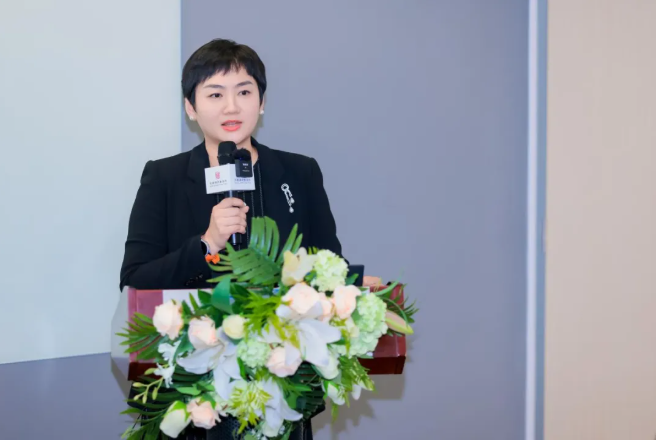
Attorney Wang Xintong delivered a brief presentation on the topic of courtroom questioning. Referring to the trends surrounding the fourth revision of the Criminal Procedure Law, she discussed how systems related to witness testimony may undergo adjustments. She noted that the routine appearance of witnesses in court will become an industry trend, making the mastery of questioning techniques increasingly critical. She emphasized that the core of effective questioning lies in avoiding improper leading questions. Furthermore, based on a thorough understanding of the case files, one must organize the logic of the questions, clarify key points, and conduct comprehensive pre-trial preparation. She noted that practical experience cannot be gained through theory alone; only through hands-on practice, observation, and learning from others’ strengths can one quickly solidify one’s foundation, seize opportunities presented by judicial reforms, and steadily improve courtroom skills.
Special
Topic
Lecture

The first session of the training program was led by Attorney Tian Wenchang. Drawing on decades of professional experience and the evolution of the rule of law, he clearly identified widespread conceptual biases currently prevalent in the field of criminal defense and emphasized that there is still a long way to go in cultivating the public’s legal mindset. During the lecture, he systematically analyzed ten major practical misconceptions, including the inadequate implementation of the presumption of innocence, insufficient adherence to the principle of “in dubio pro reo,” confusion between objective truth and legal truth, and an imbalance between crime prevention and the protection of human rights.
He also provided detailed interpretations of core practical issues, including lawyers’ right to review case files, rules for evidence evaluation, the boundaries of the right to defense, professional confidentiality obligations, the allocation of the burden of proof, and the respective roles of the prosecution, defense, and the judiciary, thereby clarifying numerous misconceptions in judicial practice. He emphasized that lawyers handling cases must not merely adhere to legal provisions and procedural techniques but must also delve deeply into legal logic, study legal classics, and establish correct professional ideals and a sound mindset for practice. At the same time, he proposed that criminal defense lawyers must not only handle individual cases well but also shoulder the social responsibility of advancing the rule of law through their practice. They should uphold professional ethics and ethical standards, break free from rigid thinking patterns, continuously refine their comprehensive competencies, remain true to the original intent of defense, and contribute to the steady improvement of the industry’s overall professional standards.
Practical
Training
Workshop
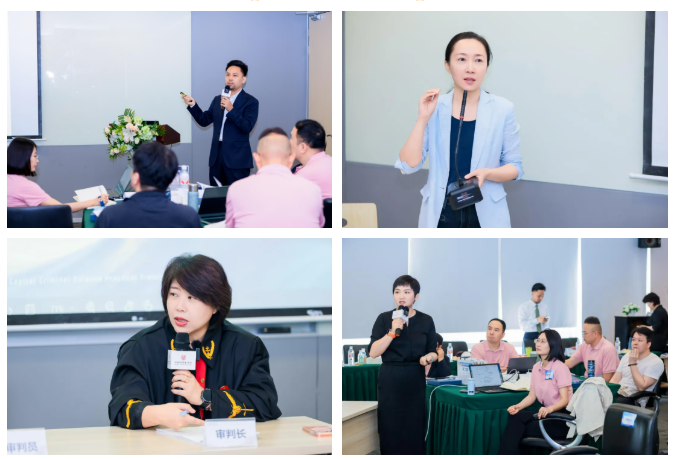
During the specialized training session on courtroom questioning, instructors Weng Xiaoping, Xu Ying, Zhu Yalin, and Wang Xintong focused on key practical aspects, detailing the characteristics and applications of five major types of questioning. They clarified the practical distinctions between closed-ended and leading questions, and—using courtroom scenarios—explained the logic behind direct and cross-examination. By drawing on international trial experiences, they shared practical techniques and reminded participants to assess the witness’s state in advance, control the pace of questioning appropriately, and break down complex issues into simpler questions. The instructors clearly emphasized that questioning in court should primarily focus on verifying objective facts while minimizing references to subjective opinions. At the same time, they advised adjusting strategies flexibly based on the actual defense situation, transforming subjective perceptions into objective details for verification, and using scientifically structured questions to clarify the case’s timeline in order to gain the upper hand in the trial.
On a theoretical level, the instructors also reviewed legislative changes regarding courtroom questioning since the implementation of the Criminal Procedure Law, highlighting the gradual shift in trial models from an inquisitorial system to one where the prosecution and defense take the lead, with the judge playing a supporting role. During the presentation, the instructors further emphasized various taboos in questioning and did not shy away from addressing the current implementation status and practical challenges of the courtroom system. Attorney Xu Ying placed particular emphasis on the principles that questioning must not be leading, misleading, or infringe upon the rights of others. Drawing on practical case examples, she shared methods for raising objections to questioning during trials, reminding attorneys to thoroughly familiarize themselves with case handling procedures and to present arguments on the spot in a lawful and reasoned manner, thereby strengthening their practical skills in courtroom questioning.
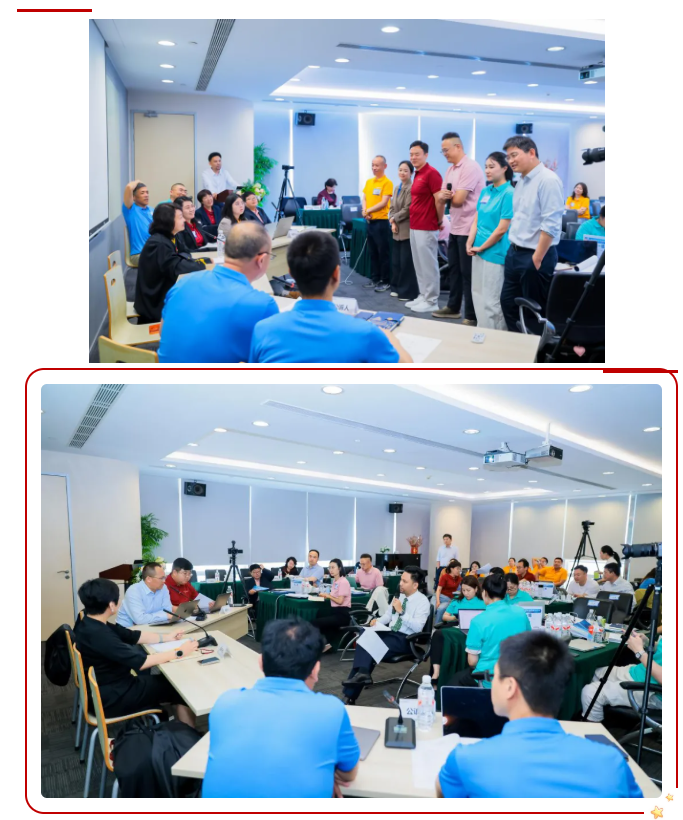
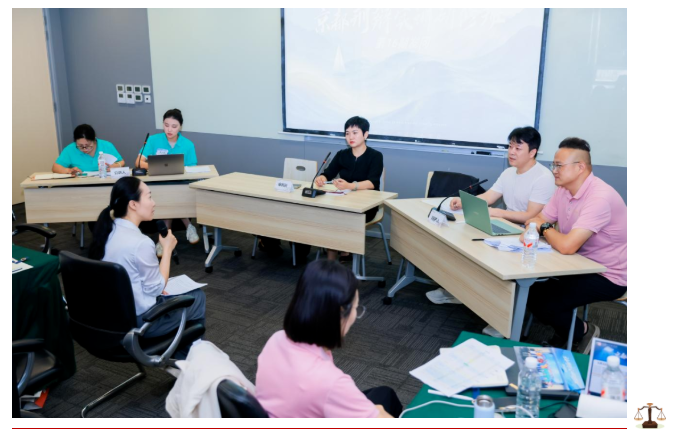
During the brainstorming and practical simulation sessions, participants engaged in discussions on the objectives and tasks of courtroom questioning, key points for pre-trial preparation, techniques for questioning defendants and witnesses from both the prosecution and defense, methods for breaking down facts, as well as various questioning experiences and taboos. They freely exchanged views and exchanged ideas, and refined their practical courtroom questioning skills through group simulation exercises. The advisory and faculty teams personally participated in the sessions, deepening the participants’ understanding of the logic of questioning, pacing, and risk mitigation through interactive exchanges and realistic training, thereby effectively enhancing their practical application skills.
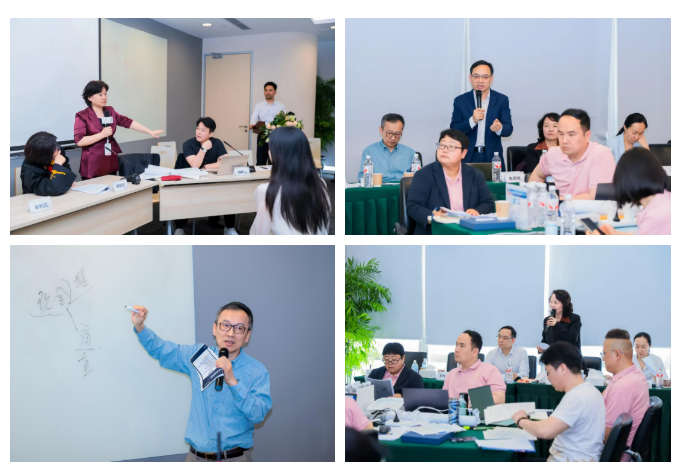
The three-day, two-night workshop was intensive and fulfilling. However, the Kyoto Criminal Defense Practical Training Program avoided the accumulation of obscure and difficult-to-understand theories, instead presenting key concepts through vivid explanations and down-to-earth case studies. Participants were fully immersed in the learning process throughout, absorbing the content step by step and advancing their knowledge through real-world simulations, leaving them with a wealth of insights.
Attorney Zhu Yonghui delivered the closing remarks for the workshop. He noted that the course systematically covered the theoretical techniques and legal norms of courtroom questioning. Through mock trial exercises, instructors and advisors provided individual feedback and debriefings to each participant. The atmosphere throughout was one of equality and harmony, with no hierarchical distinction between teachers and students. This aligns with the teaching philosophy of Xifa University’s criminal defense training model, which emphasizes that there are no standard answers, encourages critical thinking and open exchange among all participants, and promotes the full sharing of experience to achieve mutual improvement. He also acknowledged the participants’ significant progress, noting that they had evolved from initial nervousness and unfamiliarity to becoming composed and confident in their responses. This, he emphasized, further highlights the unique advantages of practical, hands-on training over traditional rote learning.

At the conclusion of the training program, Attorney Liang Yali gave a preview of the upcoming “Courtroom Debate” specialized training course. Centering on the theme of “The Philosophy and Techniques of Courtroom Debate,” she explained that the course would focus on four core technical approaches: responding to prosecution evidence, presenting case facts, communicating professionally with adjudicators, and focusing on points of contention. She also emphasized that the course would incorporate foundational principles, guiding participants to ground their work in objective facts and legal norms, and to serve the case facts and protect the legitimate rights and interests of clients in a rational and professional manner. She noted that the next session will place greater emphasis on simulating and reviewing real-world scenarios, using actual cases to dissect the logical chains and strategic applications of courtroom advocacy, and expressed her anticipation of working with all participants to further refine their skills.
I
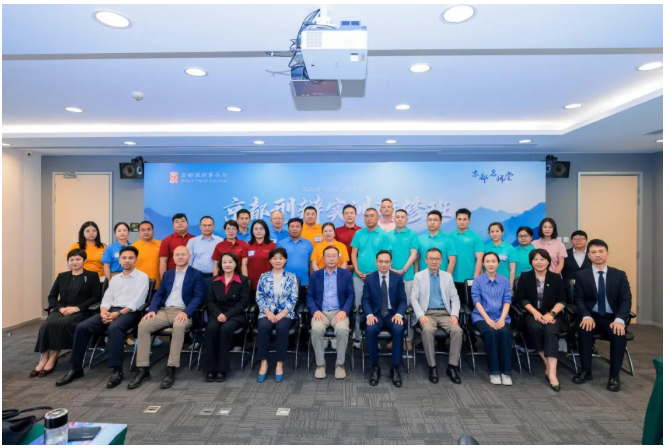
With this, the 16th King&Capital Criminal Defense Practical Training Workshop has successfully concluded. The 17th session, focusing on “Advocacy,” will commence in July 2026. We welcome all fellow attorneys to stay tuned for updates.