

From October 16 to 18, 2026, the 18th Kyoto Criminal Defense Practical Training Seminar was successfully held in Beijing. This session focused on pretrial conferences and the exclusion of illegally obtained evidence. Criminal defense attorneys from across the country gathered at Kyoto to systematically study the practical key points of pretrial conferences and develop practical skills for excluding illegally obtained evidence through clinic-style, real-world teaching.
The course was led by Tian Wenchang, Honorary Dean of the Advanced Institute of Criminal Defense at Northwest University of Political Science and Law and Honorary Director of King&Capital Law Firm, who served as Chief Advisor. An advisory panel consisting of Men Jinling, Wang Yichao, and Li Rong provided ongoing feedback and guidance throughout the program, while Zang Desheng, Zhang Xiaofeng, Nie Sufang, Xu Ying, and Yang Haiming served as lead instructors. Through three days and two nights of immersive instruction, the team provided participants with a comprehensive and in-depth analysis of the key practical aspects of pretrial conferences and the exclusion of illegally obtained evidence.
Representative’s Remarks
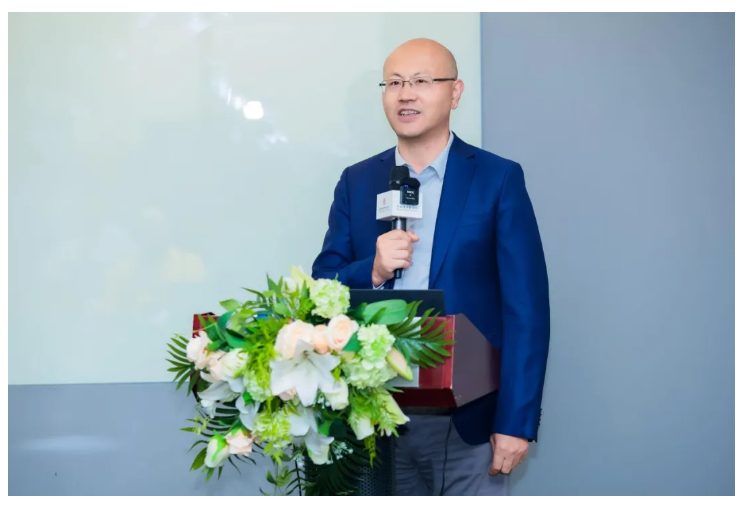
On the day of the event, Chu Changzhi, Managing Partner and CEO of King&Capital Law Firm, delivered the opening remarks, extending a warm welcome to the instructors and participants in attendance.
Chu Changzhi noted that pretrial conferences and the exclusion of illegally obtained evidence are crucial components of criminal defense proceedings. They test criminal defense attorneys’ ability to review evidence, their approach to procedural objections, and their communication and negotiation skills, and serve as a concentrated demonstration of their professional competence in procedural defense. He explained that this criminal defense training workshop was developed based on the well-established criminal defense training system at Northwest University of Political Science and Law. The faculty consists of the original authors of the King&Capital Criminal Defense Curriculum, and the course closely addresses practical challenges in pretrial proceedings with a strong emphasis on real-world application. Drawing on their frontline case handling experience, the faculty has continuously refined the course content to provide participants with an immersive, hands-on training experience. He emphasized that the training program embodies King&Capital Law Firm’s original mission of public-interest education, is dedicated to deepening the cultivation of criminal defense capabilities, and refining professional talent in the field. It aims to serve as a spark to drive the continuous advancement of professionalization in criminal defense.
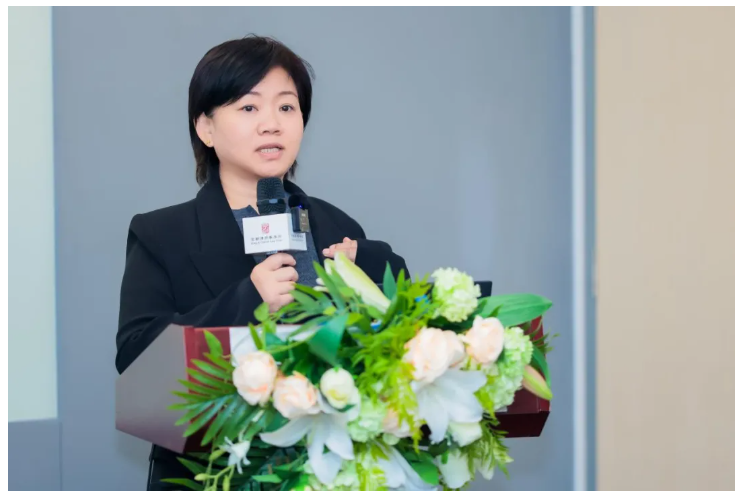
Men Jinling, Senior Partner at Beijing King&Capital Law Firm and Associate Professor (Retired) at the University of Chinese Academy of Social Sciences, delivered a presentation at the event. Focusing on this session’s theme of “Pretrial Conferences and the Exclusion of Illegal Evidence,” she analyzed a real-life case involving villagers’ fishing rights. By proactively requesting pretrial conferences and identifying procedural flaws—such as violations during designated residential surveillance and the preparation of interrogation records—she submitted motions to exclude illegal evidence, thereby compelling case handlers to take the case seriously. She pointed out that while pretrial conferences may not necessarily lead to the direct exclusion of evidence, their core value lies in urging judges to exercise their duties with due diligence and in securing room for defense in the case. At the same time, she emphasized the need to distinguish between evidence obtained through human rights violations and evidence with authenticity defects—such as the failure to read statements aloud or record them simultaneously—as the applicable rules differ for each. She encouraged participants to engage in active discussion, refine their criminal defense skills through practical training, and gain valuable insights from the program.

Li Rong, an associate professor at the School of Law of Minzu University of China, shared insights drawn from her early experience handling a major fraud case involving Tibetan cultural artifacts. At the time, she participated in a pretrial conference for the first time and encountered numerous practical challenges due to the system’s then-incomplete rules. She noted that this experience prompted her to reflect long-term on the role and boundaries of pretrial conferences; subsequently, she continued to study the subject, review her case handling experience, and write practical articles for reference by colleagues within her firm. Li Rong noted that in practice, pretrial conferences often face issues such as unclear definitions, and practical details—including motions to recuse, jurisdictional issues, objections to evidence, motions to exclude illegally obtained evidence, and the submission of leads—still require clarification. She expressed her hope that during this training session, participants would engage in thorough exchanges and discussions to synthesize key insights, gain a deep understanding of the practical essentials of pretrial conferences, and truly unlock the full potential of the pretrial conference system.

Wang Yichao, Associate Professor at the School of Law, Minzu University of China, and part-time attorney at Beijing King&Capital Law Firm, shared her insights by linking King&Capital’s criminal defense training model to the theme of this session. She believes that clinic-style training is extremely valuable; compared to traditional academic instruction, participating attorneys bring their case handling experience to the discussions, making it easier for them to integrate past theoretical knowledge with practical experience and complete the cycle of knowledge acquisition. She outlined the legislative evolution of pretrial conferences and the exclusion of illegally obtained evidence, and expressed her hope that in subsequent training sessions, participants would study the practical application of new regulations through relevant case studies, compare changes in case handling approaches under the old and new regulations, and exchange ideas with colleagues to gain new insights.
Practical Training Session

Attorney Zang Desheng, a senior partner at Beijing King&Capital Law Firm, opened the session. He explained that pretrial conferences and the exclusion of illegally obtained evidence are systems newly introduced with the 2012 amendment to the Criminal Procedure Law. Although supporting regulations have been issued successively, practical implementation remains insufficiently standardized. He believes this situation is a double-edged sword: on the one hand, a lack of standardization can easily lead to pretrial conferences becoming a mere formality or a substitute for court hearings, and evidence that should be excluded may not be, thereby infringing upon defense attorneys’ rights; on the other hand, as the system is still in the process of refinement, it also provides criminal defense attorneys with room to exercise their defense strategies. He noted that this training session has been continuously refined based on previous courses, featuring as many as seven practical pretrial conference simulations divided into multiple segments to ensure every participant can engage in hands-on training. He mentioned that there is no single “correct” answer regarding pretrial conferences and the exclusion of illegal evidence, and he looked forward to discussing these topics with all participants, fostering mutual learning and collectively enhancing their practical skills in criminal defense through exchange and discussion.
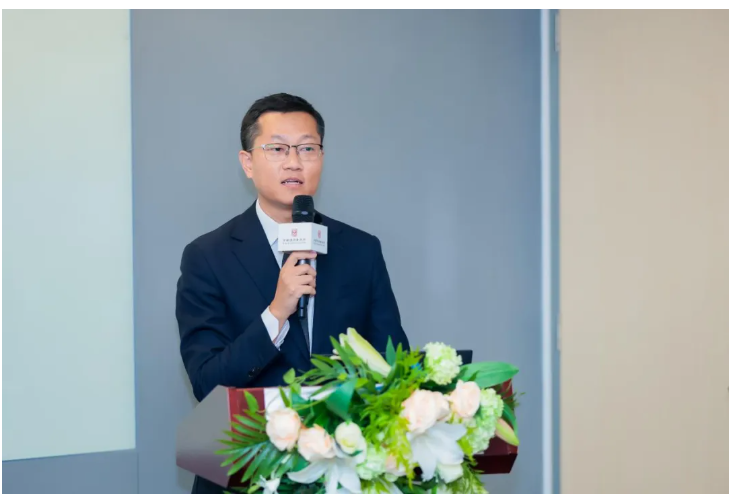
Yang Haiming, a partner at Beijing King&Capital Law Firm, noted that this practical training program differs from ordinary legal lectures in that its core focus is on immersive, simulated hands-on practice. He recalled feeling lost and at a loss when he first encountered pretrial conferences in 2013, and he deeply understands the challenges of practical application. He encouraged all participants to actively engage in the simulation exercises, hoping that even lawyers without relevant case experience could, through this training, thoroughly understand the system and master practical methods, so that in the future they can skillfully apply pretrial conferences and the rules for excluding illegal evidence in real cases and conduct procedural defense with confidence.
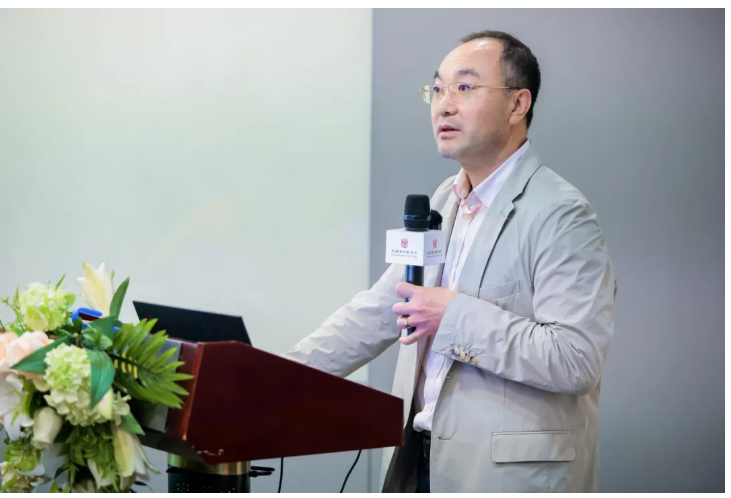
Attorney Zhang Xiaofeng, a senior partner at Beijing King&Capital Law Firm, led a specialized tutorial on the exclusion of illegally obtained evidence for the participants. He candidly acknowledged that implementing the exclusion of illegally obtained evidence in practice is highly challenging, particularly in cases involving official misconduct, where threats against family members and fatigue interrogation are common, and obtaining simultaneous audio and video recordings is difficult. He emphasized that the decision to file a motion to exclude such evidence must be based on a comprehensive evaluation of all case evidence; even if the evidence is ultimately not excluded, the motion can still exert effective pressure on the prosecution. He then systematically explained the five core principles underlying the exclusion of illegally obtained evidence: restricting public authority, preventing wrongful convictions, the presumption of innocence, procedural justice, and strengthening the defense’s ability to challenge the prosecution. He also traced the legislative evolution from the 1979 Criminal Procedure Law to the issuance of relevant regulations in 2024, clarifying practical challenges such as changes in regulations, the burden of proof, repetitive confessions, and the coordination of evidence collection between supervisory authorities and the prosecution.

Xu Ying, a senior partner at Beijing King&Capital Law Firm, analyzed the relationship between the exclusion of illegally obtained evidence and the review of evidence admissibility during trials, addressing questions raised by the participants. She noted that the examination of the “three characteristics” of evidence—admissibility, relevance, and credibility—all involve a review of legality, which encompasses the entity collecting the evidence, the collection procedure, and the method of collection. Meanwhile, the exclusion of illegally obtained evidence under Article 56 of the Criminal Procedure Law constitutes a specific scenario within this legality review; evidence with defects also raises issues of legality, though the distinction lies in whether the defects meet the exclusion threshold, can be remedied, or can be reasonably explained. She further guided the participants to consider that the exclusion of illegally obtained evidence is not the only path to negating admissibility or excluding evidence. “Evidence review must distinguish between admissibility and probative value; probative value falls within the judge’s discretion, whereas the rule on opinion evidence is a powerful tool that is often overlooked in practice. According to judicial interpretations, speculative, inferential, or comment-based content in witness transcripts is, by law, inadmissible as evidence.”
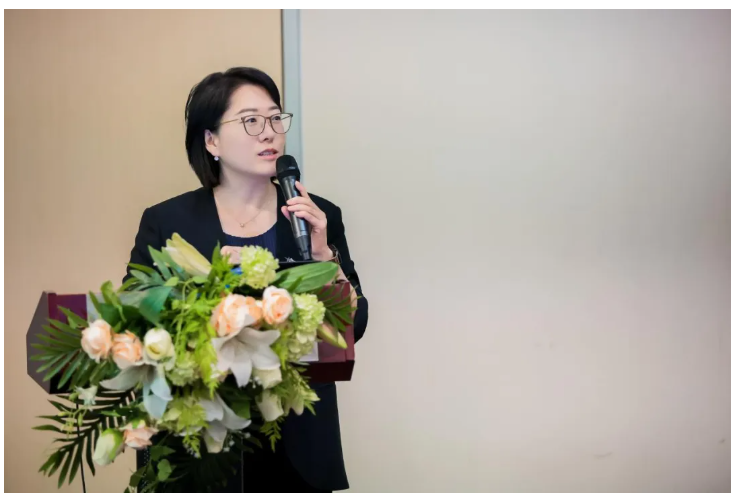
Attorney Nie Sufang, a senior partner at Beijing King&Capital Law Firm, clarified the core distinction between the exclusion of illegally obtained evidence and general evidence exclusion: The exclusion of illegally obtained evidence targets acts by public authorities that violate the defendant’s human rights and constitutional rights during evidence collection; its purpose is to restrain public authority, and the authenticity of the evidence is not a legislative consideration; defects such as solitary interrogation, failure to read the transcript aloud, lack of simultaneous audio-visual recording, and inducing confessions do not directly infringe upon human rights but may affect the authenticity of the confession; these fall under evidence exclusion based on authenticity review, and the two have distinct application pathways. She reminded the trainees that when preparing for a pretrial conference, they should first sort through and categorize disputed facts, apply the relevant legal provisions, and clarify that the “etc.” in the phrase “illegal methods such as torture to extract confessions” constitutes an exhaustive list and must not be arbitrarily expanded. She noted that in practice, prosecutors typically do not strictly distinguish between the two types of exclusion pathways; the defense may raise both together during the pretrial conference, but must clearly distinguish the underlying logic internally, relying on common sense and the burden of proof to argue their case and achieve favorable defense outcomes.
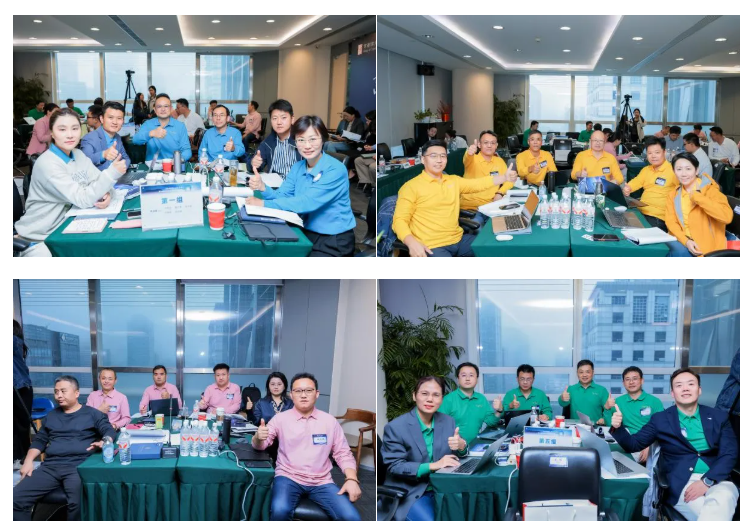
During the brainstorming and practical simulation sessions of the formal course, participants raised real challenges encountered in frontline casework: pretrial conferences devolving into substantive cross-examination; lack of transparency regarding collegial panel members making it difficult to exercise the right to recusal; pretrial conferences becoming mere formalities that fail to identify the focal points of the case; and motions to exclude evidence being dismissed as merely “evidence with defects,” thereby preventing the initiation of exclusion proceedings—among many other practical dilemmas. Drawing on their past judicial experience, the instructors addressed each group’s questions one by one, helping participants clarify the practical boundaries of pretrial conferences, refine defense strategies, and build a solid foundation of theory and case law. The course also featured a special presentation by the winning team from the finals of Beijing’s first “Young Lawyers’ Criminal Moot Court Competition”—attorneys King&Capital Fengwang, Qian Hao, Xu Wei, Zheng Xuan, and Chen Sainan—who once again conducted practical demonstrations on pretrial conferences and the exclusion of illegally obtained evidence for the participants, earning unanimous praise from their peers in attendance.
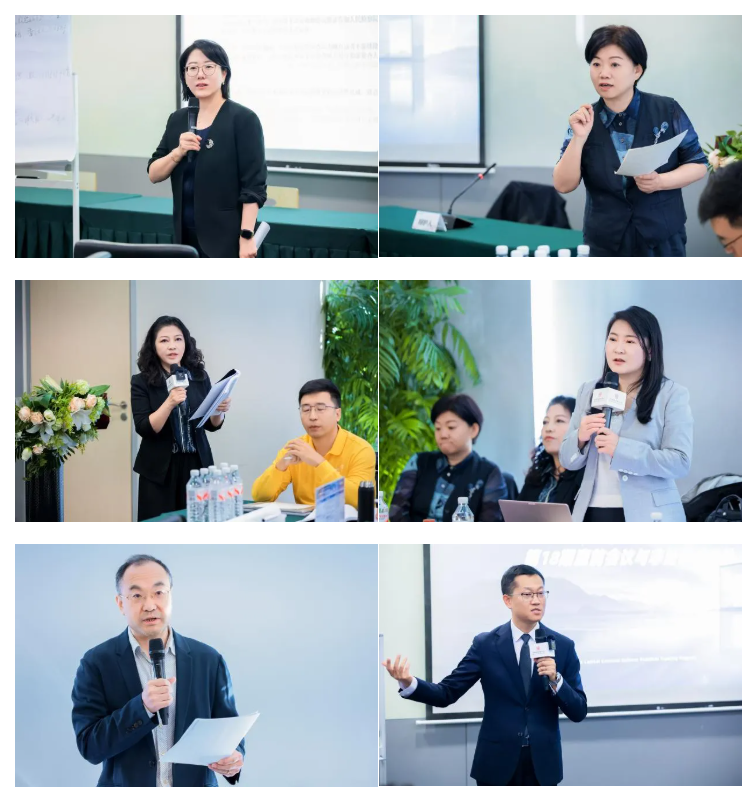

This training program lasted three days and two nights, featuring a tightly packed curriculum with substantial and in-depth practical content. Moving beyond the traditional one-way theoretical lecture format, the program used real criminal defense cases as case studies and employed a professional yet down-to-earth teaching style to break down and analyze complex practical challenges such as pretrial conferences and the exclusion of illegally obtained evidence. Participants immersed themselves fully in the learning process throughout the program. Through legal theory discussions, exchanges of viewpoints, and simulated training exercises, they honed their skills, addressed their weaknesses, and refined their practical criminal defense abilities, ensuring they gained valuable insights and achieved tangible results from the training.
Closing Remarks

Attorney Men Jinling delivered the closing remarks for this training session. She encouraged the participants with the saying, “Together we are a blazing fire; apart, we are stars across the sky,” expressing her hope that upon completing the program, they would return to their respective positions to share what they had learned and spread the spirit of criminal defense.
She outlined two major themes: pretrial conferences and the exclusion of illegally obtained evidence. She broke down the practical aspects of pretrial conferences into eight training modules: jurisdiction and recusal, public hearings, exclusion of illegally obtained evidence, applications for re-examination, collection and submission of new evidence, applications for witness appearance, handling of case-related property, summarization of points of contention, and methods of presenting evidence. She also explained the practical key points of evidence collection using real-life case examples.
At the same time, she analyzed the differences in rules regarding the strict exclusion of testimonial evidence versus the correction or reasonable explanation of defects in physical and documentary evidence. She highlighted the legal controversy in judicial interpretations that classify defects in interrogation transcripts as falling under the category of corrections to documentary evidence, guiding participants to trace the legal principles back to their roots through practical issues.
Men Jinling candidly noted that pretrial conferences are a crucial stage for the defense to demonstrate its strength; even if the desired outcome is not immediately achieved, the process itself can exert effective pressure on the prosecution. She expressed her hope that all participants would deepen their practical skills and refine their defense capabilities.
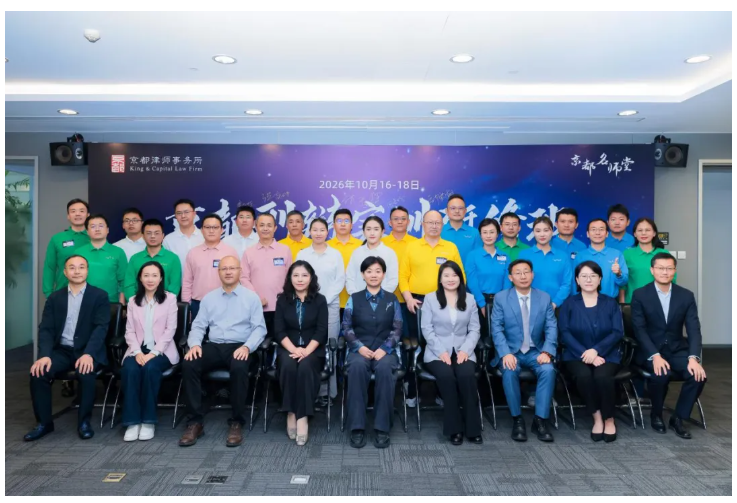
With this, the 18th Kyoto Criminal Defense Practical Training Seminar has successfully concluded. The next session will focus on the topic of “Reception and Visitation” and is scheduled to begin in March 2027. We look forward to reuniting with our fellow criminal defense practitioners and welcome you to stay tuned for updates.